
What Types of Garage Doors Are Available from the Supplier?
author: Top victory
2024-07-03
What Types of Garage Doors Are Available from the Supplier?
Choosing a garage door involves a multitude of considerations, ranging from materials and styles to insulation and additional features. Here Top victory will help you navigate the various options available from suppliers to ensure you find the perfect garage door for your home.
Firstly, consider the materials used for the garage door. Common materials include steel, aluminum, wood, and fiberglass, each offering distinct advantages and disadvantages. Steel doors are known for their durability and low maintenance, while aluminum doors are lightweight and resistant to corrosion. Wood doors provide a classic and aesthetically pleasing look but require more maintenance to prevent warping and weather damage. Fiberglass doors are a good option for coastal areas due to their resistance to saltwater corrosion.
Next, explore the different styles of garage doors available. Traditional raised panel doors offer a timeless appearance, while carriage house doors provide a rustic, old-world charm. Contemporary styles often feature clean lines and modern materials, suitable for homes with a more modern architectural design. Custom designs are also available, allowing you to match your garage door with the overall aesthetic of your home.
Insulation is another critical factor to consider, especially if your garage is attached to your home or used as a workspace. Insulated garage doors help regulate temperature, reduce energy costs, and provide added soundproofing. Look for doors with a high R-value, which indicates better insulation properties.
Additionally, consider the additional features and technologies available with modern garage doors. Many doors now come with smart technology, allowing you to open and close the door remotely using a smartphone app. Safety features such as pinch-resistant panels, tamper-resistant bottom brackets, and photo-eye sensors can enhance the security and functionality of your garage door.
Finally, evaluate the warranty and customer support offered by the supplier. A reliable warranty can provide peace of mind and protect your investment in case of any defects or issues. Good customer support ensures that you can receive help and advice whenever needed.
By taking into account these various considerations—materials, styles, insulation, additional features, warranty, and customer support—you can make an informed decision and choose a garage door that perfectly complements your home and meets your needs.
Materials of Garage Doors
1. Steel - Steel is one of the most popular materials for garage doors due to its durability and low maintenance. Steel doors can be insulated, making them energy-efficient and soundproof. They are often treated with a rust-resistant coating to prevent corrosion. Steel garage doors come in various colors and finishes, including wood-grain textures that mimic the appearance of real wood.
2. Aluminum - Aluminum garage doors are lightweight and resistant to rust and corrosion, making them ideal for humid or coastal climates. While they offer a modern appearance with sleek lines and glass panels, aluminum doors can dent more easily than steel. These doors are often used in contemporary designs, providing a high-tech look.
3. Wood - Wood garage doors offer unmatched aesthetic appeal and can be customized to fit any design preference. They provide natural insulation and a classic, elegant look. However, wood doors require regular maintenance, including painting or staining, to protect them from weather damage. Popular styles include traditional carriage house designs and bespoke custom doors.
4. Fiberglass - Fiberglass doors are resistant to dents and corrosion and are lighter than steel. They can be designed to mimic the look of wood without the high maintenance. However, fiberglass can crack in extreme temperatures and generally offers less insulation than steel or wood doors. They are available in a variety of textures and finishes.
5. Vinyl - Vinyl garage doors are known for their durability and low maintenance. They resist dents and rust, making them a practical choice for many homeowners. Vinyl doors are typically available in lighter colors and simpler designs. While they may not offer the same premium look as wood or steel, they are a cost-effective and reliable option.
Styles of Garage Doors
1. Traditional Raised-Panel - Traditional raised-panel garage doors feature a series of raised rectangular panels. This classic and timeless style suits many home designs and remains a popular choice for its versatility and straightforward aesthetic.
2. Carriage House - Carriage house doors mimic the look of old carriage house doors, often featuring decorative hardware like handles and hinges. This style adds a rustic, charming look, making it ideal for colonial, Victorian, or cottage-style homes.
3. Contemporary - Contemporary garage doors feature clean lines and modern materials, often incorporating glass panels and aluminum frames. This style suits modern architectural designs, offering a sleek and sophisticated appearance.
4. Flush Panels - Flush panel doors have smooth, flat panels that create a minimalist look. This style is simple and clean, perfect for modern homes that favor understated elegance.
5. Custom Designs - Custom garage doors are tailored to the specific requirements and aesthetic preferences of the homeowner. Whether it’s a unique architectural feature or a specific material combination, custom designs offer a personalized touch that can match any home style.
Insulation Options for Garage Doors
1. Non-Insulated - Non-insulated garage doors feature a basic, single-layer construction. They are cost-effective and lightweight but provide poor thermal and sound insulation. Non-insulated doors are best for detached garages where insulation is not a critical concern.
2. Insulated (Double-Layer) - Double-layer insulated doors have two layers of material with insulation sandwiched in between. They offer better thermal and sound insulation than non-insulated doors, making them more energy-efficient. These doors are heavier and more expensive but are ideal for attached garages or homes in extreme climates.
3. Insulated (Triple-Layer) - Triple-layer insulated doors feature three layers with thicker insulation. They provide the highest level of thermal and sound insulation, making them the most energy-efficient option. These doors are the heaviest and most expensive but offer superior performance, especially in harsh weather conditions.
Additional Features of Garage Doors
1. Windows - Windows in garage doors can add natural light to the garage and enhance curb appeal. Available in various shapes, sizes, and designs, windows can be customized to match the architectural style of your home. Some options include frosted or tinted glass for added privacy.
2. Smart Technology - Modern garage doors can be equipped with smart technology, including Wi-Fi connectivity and smartphone control. These features allow you to operate your garage door remotely, integrate it with smart home systems, and receive notifications about its status. This convenience also enhances security, as you can monitor and control access to your garage from anywhere.
3. Security Features - Enhanced security features include reinforced materials and advanced locking mechanisms. Some doors come with built-in alarms or can be connected to your home security system. These features provide increased protection against break-ins and unauthorized access.
4. Decorative Hardware - Decorative hardware such as hinges, handles, and studs can add a custom, stylish touch to your garage door. Available in various designs and finishes, these elements can complement the overall aesthetic of your home, especially for carriage house or traditional styles.
Conclusion
Selecting the right garage door involves considering a variety of factors, including material, style, insulation, and additional features. By understanding the options available, you can choose a garage door that not only enhances the functionality and security of your garage but also complements the architectural style of your home. Whether you prefer the classic appeal of wood, the modern look of aluminum, or the practical benefits of insulated steel, there is a garage door to meet your needs and preferences.
How to Choose the Right Garage Door Supplier
Heavy-Duty Metal Screen Doors Security Assessment
Related Article
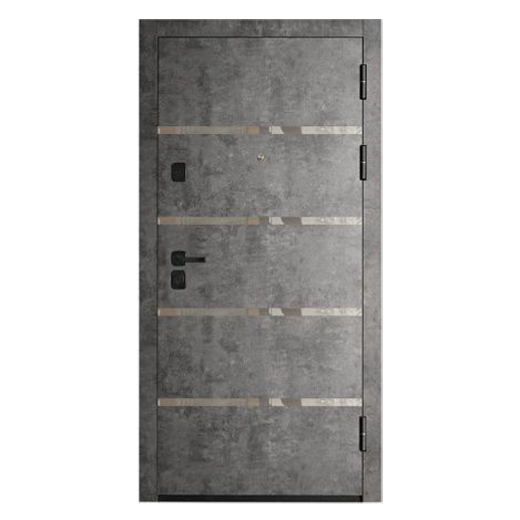
You’ll hear passionate arguments for steel’s strength, wood’s warmth, and fiberglass’s balance. But the truth? There is no single “best” material—only the best choice for your home, your climate, and your life.
Which Material Is Truly Best for Exterior Door
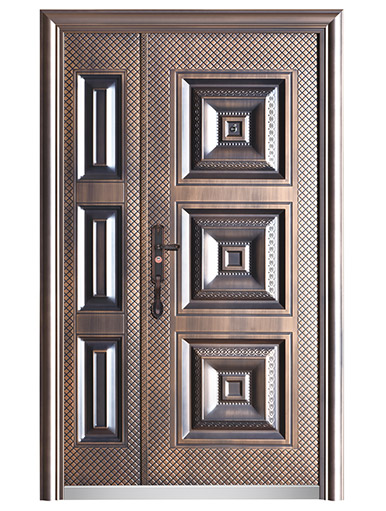
To call it a “metal door” is like calling a Stradivarius a “wooden instrument.” The term porta metallica italiana implies far more than material—it signals a philosophy of making rooted in saper fare (“knowing how to do”) and cura maniacale (“maniacal care”).
How Are Metal Italian Doors Really Made
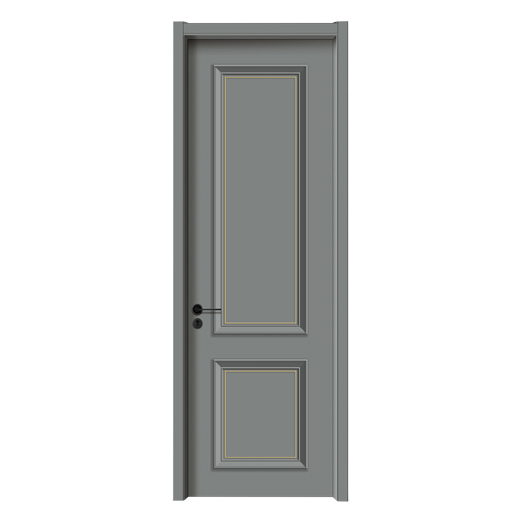
The top brands in the U.S. market today—Pella, JELD-WEN, Marvin, Simpson, and TruStile—have earned their reputation by mastering this balance.
US 2025 Trusted Wood Door Brands

When you need a gate that can handle the toughest conditions, galvanized steel is the material you can count on. This steel is coated with a layer of zinc, which helps prevent rust and corrosion, making it a top choice for outdoor and industrial security gates. It’s especially popular in applications where strength and durability are paramount.
Choosing the Right Material for Your Security Gate