
Choosing the Right Material for Your Security Gate
author: CHEN
2025-05-12
Choosing the right material for your security gate isn’t just about strength—it's about finding a balance between durability, aesthetics, and functionality. The material you select plays a key role in the gate’s performance, its ability to withstand environmental conditions, and even how easy it is to maintain over the years.
Let’s dive into the most common materials used in security gate manufacturing and explore why they’re favored in different commercial applications. Whether you’re outfitting a high-security industrial zone or enhancing the curb appeal of a luxury property, each material brings something unique to the table.
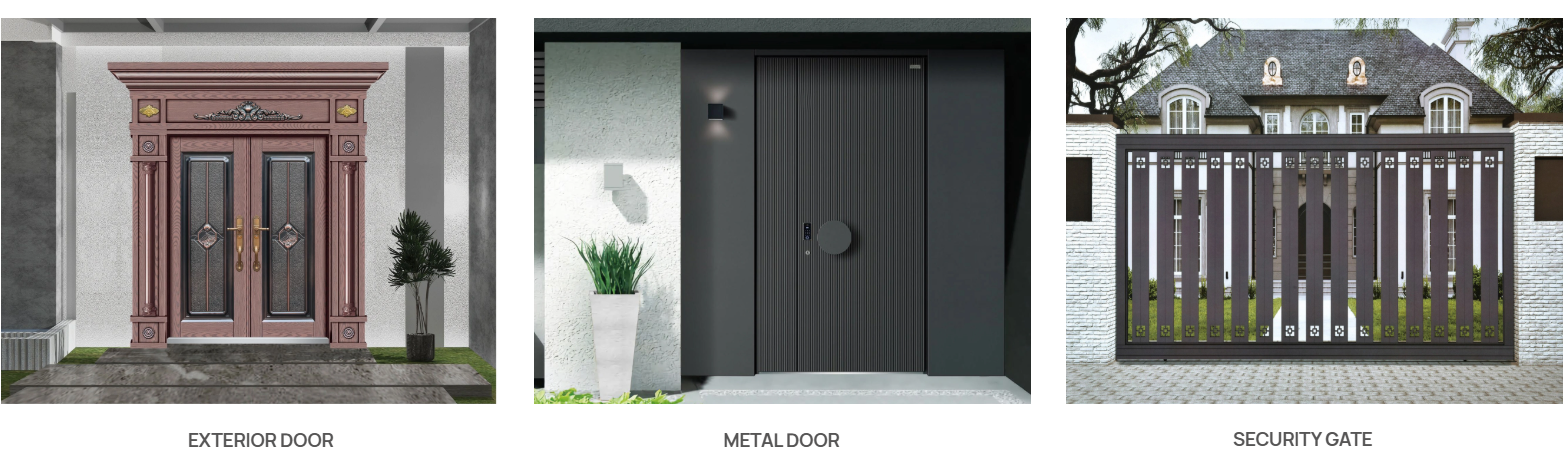
Galvanized Steel - The Heavy-Duty Workhorse
When you need a gate that can handle the toughest conditions, galvanized steel is the material you can count on. This steel is coated with a layer of zinc, which helps prevent rust and corrosion, making it a top choice for outdoor and industrial security gates. It’s especially popular in applications where strength and durability are paramount.
Why choose galvanized steel?
- Strength and resistance: Steel provides incredible impact resistance and can withstand harsh weather conditions without deteriorating.
- Low maintenance: The galvanization process makes it resistant to rust, so it needs minimal upkeep.
- Customizable finish: Galvanized steel can be powder-coated to give it a sleek, professional look that matches your brand’s aesthetic.
Best for: Industrial sites, warehouses, logistics centers, and high-security areas.
Stainless Steel - Combining Strength with Style
For those seeking high-end, corrosion-resistant gates, stainless steel is a standout option. Known for its sleek, modern appearance and its ability to resist corrosion, stainless steel is ideal for projects that require both security and aesthetics.
Why choose stainless steel?
- Corrosion resistance: It holds up well in coastal or humid environments, making it a popular choice for properties near water.
- Sleek and modern appearance: The polished surface looks clean and professional, enhancing the overall look of the property.
- Minimal maintenance: Stainless steel requires less upkeep compared to other metals, especially in outdoor settings.
Best for: Airports, hospitals, luxury residential areas, and upscale commercial buildings.
Aluminum - Lightweight Yet Durable
If you need a lightweight but durable option, aluminum security gates offer a compelling solution. While not as strong as steel, aluminum’s resistance to rust and its lightweight nature make it perfect for situations where the gate will be frequently opened or automated.
Why choose aluminum?
- Lightweight and easy to install: Aluminum gates are easier to handle, reducing installation time and labor costs.
- Corrosion-resistant: It won’t rust, even in wet or coastal environments, making it ideal for long-term outdoor use.
- Energy-efficient: The material is easier on automatic gate mechanisms, putting less strain on motors and improving their lifespan.
Best for: Commercial parking lots, residential complexes, or light industrial areas.
Composite/WPC (Wood-Plastic Composite) - The Best of Both Worlds
For those seeking a blend of durability and aesthetics, WPC (Wood-Plastic Composite) gates are a popular choice. Made from a mix of wood fibers and recycled plastic, WPC gates provide the warm, natural look of wood without the maintenance headaches.
Why choose WPC?
- Aesthetic appeal: WPC gates mimic the appearance of wood, offering a more natural look for residential or decorative purposes.
- Durability: Unlike wood, WPC doesn’t warp, crack, or rot, and it’s resistant to moisture, making it ideal for high-humidity environments.
- Eco-friendly: Many WPC products are made from recycled materials, appealing to environmentally conscious buyers.
Best for: Gated communities, hotels, resorts, and other properties where appearance and privacy are top priorities.
Comparing Gate Materials
|
Material
|
Durability
|
Corrosion Resistance
|
Weight
|
Best Use Cases
|
|
Galvanized Steel
|
High
|
Excellent
|
Heavy
|
Industrial sites, warehouses, logistics
|
|
Stainless Steel
|
Very High
|
Excellent
|
Medium
|
Upscale commercial buildings, airports
|
|
Aluminum
|
Medium
|
Good
|
Light
|
Residential complexes, commercial parking
|
|
Composite/WPC
|
Medium
|
Very Good
|
Medium
|
Gated communities, decorative installations
|
Choosing the Right Material for Your Security Gate
When choosing the material for your security gate, there are a few key questions to ask:
- What level of security is needed? Some materials are better suited for high-security applications, while others are more for aesthetic or privacy purposes.
- What environmental factors will affect the gate? Humidity, saltwater, and heavy rainfall can all play a role in the longevity of certain materials.
- What aesthetic considerations are important? If the gate needs to blend with existing architecture or provide a premium look, some materials will offer more visual appeal than others.
What is the strongest material for gates?
When it comes to choosing the strongest material for gates, there are several options, each with unique qualities that make them ideal for different applications. The strength of a material is typically evaluated based on its ability to withstand physical force, weather conditions, corrosion, and wear over time. Below are the top materials known for their strength and durability:
1. Steel (Especially Galvanized Steel)
Steel is widely regarded as one of the strongest materials for gates. It's known for its robustness and ability to resist impact. Steel gates provide excellent security, and when galvanized, they gain an extra layer of protection against rust and corrosion.
- Strength: Steel is incredibly strong and can resist heavy impacts and physical stress, making it the go-to choice for security gates in high-risk areas.
- Corrosion Resistance: Galvanized steel, coated with a layer of zinc, is highly resistant to rust, which increases its longevity and reliability outdoors.
- Applications: Ideal for industrial, commercial, and high-security properties like warehouses, parking lots, and government facilities.
2. Wrought Iron
Wrought iron has been a classic choice for gates due to its exceptional strength and ability to withstand forceful impacts. It is a highly durable material that can also be shaped into beautiful designs without sacrificing strength.
- Strength: Wrought iron gates are extremely strong and can resist damage from heavy impacts or attempted break-ins.
- Aesthetic Appeal: Wrought iron gates can be beautifully crafted into ornate designs while still maintaining their strength, making them popular for both security and aesthetics.
- Maintenance: Requires periodic painting to prevent rust, but with proper care, it can last a long time.
- Applications: Ideal for residential properties, luxury estates, and historical sites.
3. Stainless Steel
Stainless steel is another super-strong material for gates, known for its resistance to corrosion and long-lasting durability. Unlike standard steel, stainless steel contains chromium, which forms a protective layer against rust and corrosion, making it suitable for challenging environments.
- Strength: Stainless steel is incredibly tough and able to handle impacts and external stress without significant deformation.
- Corrosion Resistance: Excellent resistance to rust and corrosion, making it ideal for environments with high moisture or exposure to the elements.
- Aesthetic Appeal: It maintains its sleek, modern appearance and is resistant to discoloration.
- Applications: Perfect for high-end residential properties, commercial spaces, and areas exposed to harsh weather, such as coastal locations.
4. Aluminum (For Lightweight Strength)
While aluminum is lighter than steel, it is still a very strong and durable material, especially for gates that do not require extreme security but still need to withstand the test of time and external forces.
- Strength: While not as impact-resistant as steel, aluminum gates offer sufficient strength to deter casual break-ins and provide security in residential or light commercial settings.
- Corrosion Resistance: Aluminum naturally resists rust, making it ideal for coastal or humid environments.
- Weight: Being lighter than steel, aluminum gates are easier to handle and install, though their strength can be slightly less than steel or wrought iron.
- Applications: Best for residential areas, gated communities, and places where corrosion resistance is a priority.
5. Composite Materials (WPC - Wood-Plastic Composite)
For those looking for a blend of durability and aesthetics, wood-plastic composite (WPC) can offer a strong alternative to traditional materials. It combines the strength of plastic with the natural look of wood, creating a gate material that is resistant to wear, moisture, and insects.
- Strength: WPC is strong enough for residential security gates, although it’s not as robust as steel or wrought iron.
- Corrosion Resistance: WPC is highly resistant to weathering and rotting, making it ideal for wet or humid climates.
- Aesthetic Appeal: WPC provides a more modern and sleek appearance, resembling natural wood but with far less maintenance.
- Applications: Suitable for residential homes, smaller commercial properties, and areas focused on aesthetic appeal and durability.
6. Reinforced Glass (For Modern, Secure Gates)
In some modern designs, reinforced glass is used as a part of a security gate, offering a unique combination of strength and transparency. This is not necessarily a traditional security material, but it can offer a robust and secure option when reinforced with steel frames.
- Strength: Reinforced glass is tougher than standard glass, and when combined with metal framing, it can be quite secure.
- Applications: Used primarily for high-end residential gates or modern commercial spaces where visibility is important but security is still paramount.
Which Is the Strongest Material for Gates?
- Steel (especially galvanized steel) is the strongest overall for high-security applications, offering maximum protection against physical damage and corrosion.
- Wrought iron combines strength and aesthetic appeal, making it ideal for high-security residential areas and luxury properties.
- Stainless steel is perfect for environments with moisture or salt exposure, offering both strength and corrosion resistance.
- Aluminum is lighter yet still strong and corrosion-resistant, ideal for less extreme security needs but still requiring long-lasting performance.
- WPC is a modern option that balances strength with aesthetic appeal, ideal for residential gates but not recommended for areas that need the highest level of security.
The right material should not only meet your security needs but also fit within your budget and maintenance plan. Work closely with a trusted gate supplier to ensure the material you choose aligns with your project's goals.
US 2025 Trusted Wood Door Brands
The Equipment and Technology Behind WPC Door Production Lines
Related Article
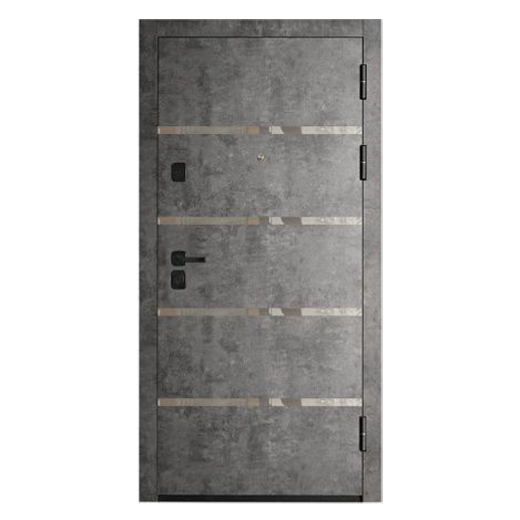
You’ll hear passionate arguments for steel’s strength, wood’s warmth, and fiberglass’s balance. But the truth? There is no single “best” material—only the best choice for your home, your climate, and your life.
Which Material Is Truly Best for Exterior Door
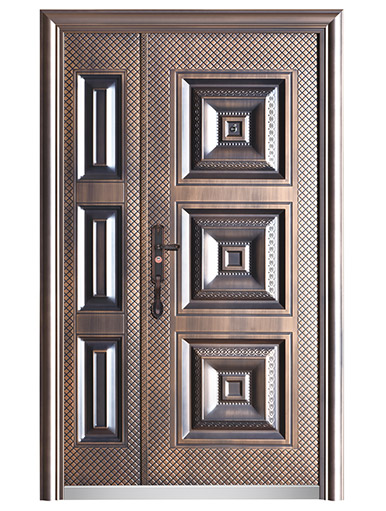
To call it a “metal door” is like calling a Stradivarius a “wooden instrument.” The term porta metallica italiana implies far more than material—it signals a philosophy of making rooted in saper fare (“knowing how to do”) and cura maniacale (“maniacal care”).
How Are Metal Italian Doors Really Made
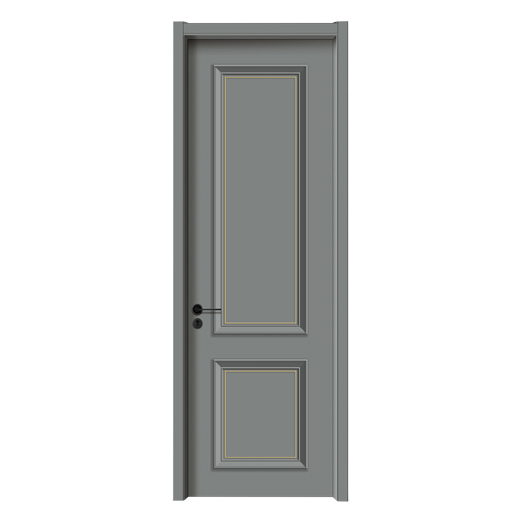
The top brands in the U.S. market today—Pella, JELD-WEN, Marvin, Simpson, and TruStile—have earned their reputation by mastering this balance.
US 2025 Trusted Wood Door Brands

At the heart of the WPC door production line is the extrusion machine. This machine is responsible for shaping the WPC compound into the desired form, ensuring consistency across each batch of doors. The raw materials, including wood fibers, plastic resins, and additives, are fed into the extruder, where they are blended and melted under controlled conditions.
The Equipment and Technology Behind WPC Door Production Lines