
The Equipment and Technology Behind WPC Door Production Lines
author: CHEN
2025-04-07
To create high-quality WPC doors, a state-of-the-art production line equipped with specialized machinery and technology is crucial. The efficiency, consistency, and overall quality of the final product depend on the precision and capabilities of these machines. Here’s a closer look at the key equipment and technology that drive WPC door production lines, ensuring every door meets the high standards required for commercial and residential use.
1. Extrusion Machines The Backbone of WPC Door Production
At the heart of the WPC door production line is the extrusion machine. This machine is responsible for shaping the WPC compound into the desired form, ensuring consistency across each batch of doors. The raw materials, including wood fibers, plastic resins, and additives, are fed into the extruder, where they are blended and melted under controlled conditions.
The extruder forces the material through a mold to create the base structure of the door panels. The extrusion process allows for different profiles, including flat panels, textured surfaces, and other custom shapes.
Precision in the extrusion process ensures that the WPC door panels are uniform in size and shape. Variations in this stage can lead to defects in the final product, which is why high-performance extrusion machines are essential for producing durable, consistent doors.
2. Cutting and Shaping Tools Ensuring Perfect Dimensions
Once the WPC material has been extruded into door panels, the next step is to cut and shape them according to precise specifications. Cutting tools, such as saws and cut-off machines, ensure that each panel is the correct size for its intended use.
These machines use laser-guided systems and high-precision blades to trim the panels to the required dimensions. The cutting tools can also help create detailed shapes, such as door edges or notches that are needed for handles and locks.
Accuracy is key in this stage. Even a small variation in panel size can result in poor fit or functionality, which is why high-quality cutting and shaping tools are essential for a successful production line.
3. Lamination Presses Adding Style and Durability
To give WPC doors their aesthetic appeal, lamination presses are used to apply decorative finishes, such as wood-like textures, solid colors, or even custom designs. The lamination not only enhances the visual appeal but also adds another layer of protection to the door surface, making it resistant to wear and tear.
The lamination press applies a PVC film or decorative laminate to the door panels using heat and pressure. This process bonds the laminate to the WPC surface, ensuring it adheres securely while maintaining a smooth and uniform finish.
The lamination press adds a vital protective layer that helps the doors maintain their appearance over time. In commercial applications, where durability and aesthetic quality are paramount, this equipment is indispensable.
4. UV Curing Stations Long-Lasting Finish and Protection
After lamination, UV curing stations are used to ensure that the door surfaces are fully hardened and protected from the sun’s harmful rays. This curing process ensures that the decorative finishes on the WPC doors remain intact and don’t degrade over time due to UV exposure.
The UV curing stations use ultraviolet light to cure the surface of the laminated doors. The UV light activates the resin on the surface, hardening it and making it more resistant to fading, discoloration, and surface degradation.
For WPC doors used in commercial environments, UV protection is vital to ensure the doors maintain their appearance and structural integrity even when exposed to sunlight.
5. Automated Quality Control Systems Ensuring Consistency and Precision
To maintain high standards of quality, automated quality control systems are integrated into the WPC door production line. These systems monitor various aspects of the production process, ensuring that each door meets the desired specifications before it moves to the next stage.
Quality control systems use sensors and cameras to inspect the doors for defects such as dimensional inconsistencies, surface blemishes, or faults in the finish. The system can automatically reject any defective panels or flag them for further inspection.
Automated quality control eliminates human error and ensures that all doors produced meet consistent standards. This reduces the risk of defective products reaching the market, which can save manufacturers both time and money.
6. Packaging Machines Efficient and Secure Handling
Once the doors have passed through the production process, they need to be properly packaged for delivery. Packaging machines help ensure that each door is securely packed to prevent damage during transit and is labeled for easy identification.
These machines automate the packaging process, wrapping each door in protective materials, such as shrink-wrap, and ensuring that it is securely fastened. The packaging system can also include labeling features, ensuring that each door has the appropriate product information and tracking data.
Efficient and secure packaging minimizes the risk of damage during shipping, which is essential for B2B buyers. For manufacturers, it also speeds up the final stages of the production process, helping to meet delivery deadlines.
7. Energy-Efficient Technologies Reducing Operational Costs
Modern WPC door production lines are equipped with energy-efficient technologies that help reduce operational costs and minimize the environmental impact of manufacturing. These systems optimize the use of electricity and resources, making the production process more sustainable.
Energy-efficient machines use advanced technologies such as variable speed drives, high-efficiency motors, and waste heat recovery systems to minimize energy consumption during the production process.
For manufacturers, reducing energy consumption translates into lower operational costs and a more sustainable production process. For B2B buyers, sourcing products from energy-efficient lines aligns with sustainability goals, which is increasingly important in today’s market.
The Importance of Advanced Equipment in WPC Door Production
The equipment and technology used in the WPC door production line are crucial for creating doors that meet the demands of modern commercial projects. From extrusion machines to automated quality control, each piece of machinery plays a vital role in ensuring the final product is durable, aesthetically pleasing, and cost-effective. Investing in high-quality equipment not only enhances the efficiency of the production line but also guarantees that the doors produced will stand up to the test of time and meet the high standards that commercial buyers expect.
For businesses looking to manufacture high-performance WPC doors, understanding the machinery and technology behind the production process is key to staying competitive in the industry.
Choosing the Right Material for Your Security Gate
Charming Windows and Doors - Whole House Window and Door Installation for Indonesian Client
Related Article
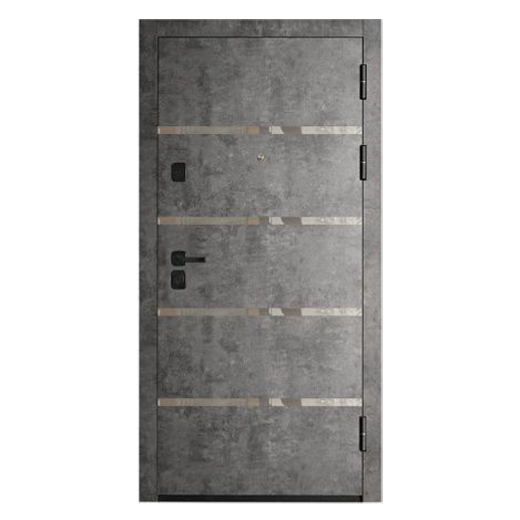
You’ll hear passionate arguments for steel’s strength, wood’s warmth, and fiberglass’s balance. But the truth? There is no single “best” material—only the best choice for your home, your climate, and your life.
Which Material Is Truly Best for Exterior Door
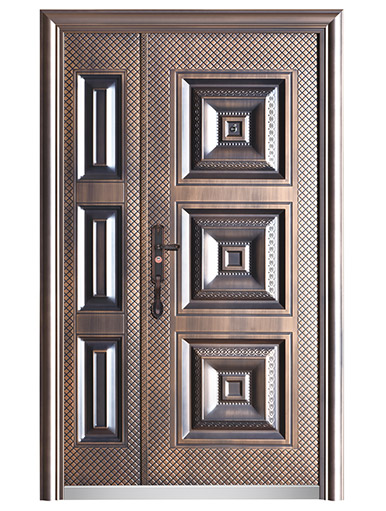
To call it a “metal door” is like calling a Stradivarius a “wooden instrument.” The term porta metallica italiana implies far more than material—it signals a philosophy of making rooted in saper fare (“knowing how to do”) and cura maniacale (“maniacal care”).
How Are Metal Italian Doors Really Made
The top brands in the U.S. market today—Pella, JELD-WEN, Marvin, Simpson, and TruStile—have earned their reputation by mastering this balance.
US 2025 Trusted Wood Door Brands

When you need a gate that can handle the toughest conditions, galvanized steel is the material you can count on. This steel is coated with a layer of zinc, which helps prevent rust and corrosion, making it a top choice for outdoor and industrial security gates. It’s especially popular in applications where strength and durability are paramount.
Choosing the Right Material for Your Security Gate