
Types of Heavy Duty Door Closers
author: Top Victory Door
2024-08-27
Introduction to Heavy Duty Door Closers
For building management and construction, heavy duty door closers play a pivotal role in ensuring doors function efficiently and reliably. These devices are designed to automatically close doors after they have been opened, offering benefits such as enhanced safety, security, and energy efficiency. Here Top Victory will delves into the history, functionality, and selection criteria for heavy duty door closers, providing a comprehensive guide for professionals and building managers.
Importance of Heavy Duty Door Closers
-Role in Building Safety
Heavy duty door closers are crucial for maintaining safety in commercial and industrial buildings. By ensuring that doors close properly, they help in maintaining fire and security barriers. For example, in the event of a fire, door closers help keep fire doors shut, preventing the spread of smoke and flames, thereby protecting occupants and property. Similarly, they ensure that secure areas remain locked and protected, enhancing overall security.
-Impact on Energy Efficiency
Energy efficiency is another significant benefit of heavy duty door closers. By ensuring doors close tightly, these devices help to maintain indoor climate control. This reduces the load on heating and cooling systems, contributing to lower energy consumption and cost savings. Properly functioning door closers help prevent drafts and heat loss, which is especially important in commercial buildings with high foot traffic.
Types of Heavy Duty Door Closers
-Surface-Mounted Door Closers
Surface-mounted door closers are the most common type, installed on the surface of the door frame. They are visible and are often used in both commercial and residential applications. These closers are straightforward to install and adjust, making them a popular choice for many buildings. They come in various sizes and styles to match different door sizes and usage requirements.
-Concealed Door Closers
Concealed door closers are installed within the door or frame, offering a more streamlined and aesthetic appearance. These are ideal for situations where a clean look is desired, such as in high-end commercial properties or modern residential buildings. Concealed closers can be more complex to install but offer a discreet solution that does not detract from the door’s design.
-Overhead Door Closers
Overhead door closers are mounted above the door, usually within a door header. These are commonly used in commercial and industrial settings where high-traffic and heavy doors are prevalent. They are designed to handle the increased wear and tear associated with heavy doors and offer robust performance and reliability.
Key Features of Heavy Duty Door Closers
-Adjustability
One of the key features of heavy duty door closers is their adjustability. Most models allow for adjustments in closing speed, latching speed, and backcheck. This means that the door closer can be fine-tuned to meet specific needs, such as controlling how quickly the door closes and how it slows down before reaching the fully closed position. Proper adjustment ensures smooth operation and extends the lifespan of the door and closer.
-Durability
Durability is a hallmark of heavy duty door closers. These devices are typically constructed from high-strength metals and engineered to withstand frequent use. Features such as hardened steel pins, robust springs, and precision-machined components contribute to their longevity. Heavy duty door closers are designed to handle the stresses of heavy doors and high-traffic environments without compromising performance.
-Size and Strength
Selecting the appropriate size and strength for a door closer is crucial. Heavy duty door closers come in various sizes, with different holding forces to match the weight and dimensions of the door. Ensuring that the door closer is properly sized and rated for the specific door is essential for optimal performance and reliability.
Applications and Use Cases
-Commercial Buildings
In commercial buildings, heavy duty door closers are used extensively in office spaces, retail stores, and public facilities. They help manage the high traffic typical in these environments, ensuring doors close properly and maintain security and energy efficiency.
-Industrial Settings
In industrial settings such as factories and warehouses, heavy duty door closers are essential due to the large and heavy doors often used. These closers need to handle frequent use and withstand harsh conditions, providing reliable performance in demanding environments.
-Residential Use
While less common, heavy duty door closers can also be used in residential settings, particularly in high-traffic areas or where enhanced security is required. They can be employed in high-end homes, apartment complexes, or residential buildings with heavy or high-use doors.
Installation and Maintenance
-Installation Guidelines
Proper installation is critical for the effective operation of heavy duty door closers. The installation process involves mounting the closer to the door frame and making necessary adjustments to ensure smooth operation. It is important to follow the manufacturer’s instructions and ensure that the door closer is installed at the correct height and angle for optimal performance.
-Maintenance Tips
Regular maintenance is essential to keep door closers functioning properly. This includes periodic lubrication of moving parts, checking for signs of wear, and making necessary adjustments. Regular maintenance helps prevent issues such as sticking or improper closing, extending the lifespan of the door closer and maintaining its performance.
Compliance and Standards
-Building Codes and Regulations
Heavy duty door closers must comply with various building codes and regulations. This includes adherence to standards for fire safety, accessibility (such as ADA compliance), and general building requirements. Understanding and following these regulations ensure that door closers meet legal and safety standards.
-Certification and Testing
Certification and testing are important aspects of quality assurance for heavy duty door closers. Many closers are tested and certified according to ANSI/BHMA (American National Standards Institute/Builders Hardware Manufacturers Association) standards. Certification ensures that the door closer meets specific performance criteria and quality standards.
Choosing the Right Heavy Duty Door Closer
-Factors to Consider
When selecting a heavy duty door closer, several factors should be considered, including the door’s size and weight, frequency of use, and environmental conditions. Choosing the right closer involves evaluating these factors to ensure that the device provides adequate performance and reliability.
-Professional Advice
Consulting with a professional or manufacturer can provide valuable insights into selecting the appropriate door closer. Professionals can offer recommendations based on the specific needs of the building and ensure that the chosen closer meets all requirements.
Advantages of Heavy Duty Door Closers
-Enhanced Durability
Heavy duty door closers are designed to be robust and long-lasting. Their durable construction ensures they can handle the demands of high-traffic and heavy doors, providing reliable performance over time.
-Improved Functionality
These closers enhance the functionality of doors by ensuring smooth and consistent closing. This contributes to the overall efficiency of building operations and helps maintain the integrity of doors and frames.
-Increased Safety and Security
Heavy duty door closers play a critical role in maintaining safety and security. By ensuring that doors close properly, they help maintain fire barriers, prevent unauthorized access, and contribute to overall building safety.
Common Issues and Troubleshooting
-Common Problems
Common issues with heavy duty door closers include improper closing, leaking hydraulic fluid, and noise during operation. These problems can result from incorrect installation, lack of maintenance, or component wear.
-Troubleshooting Tips
Troubleshooting involves identifying the source of the problem and making necessary adjustments or repairs. For instance, if a door closer is not closing properly, it may require adjustment of the closing speed or checking for obstructions. Regular maintenance and timely repairs help address common issues and ensure continued performance.
Case Studies and Examples
-Successful Installations
Case studies of successful installations highlight the benefits of heavy duty door closers in various settings. For example, a high-rise office building might use heavy duty door closers to manage traffic and enhance security, demonstrating their effectiveness in a real-world scenario.
-User Testimonials
User testimonials provide insights into the practical benefits of heavy duty door closers. Feedback from building managers and users can offer valuable perspectives on performance, reliability, and overall satisfaction with the product.
Conclusion
Heavy duty door closers are a vital component in ensuring the efficient operation of doors across various environments. Their role in maintaining safety, security, and energy efficiency underscores their importance in building management. By understanding the key features, applications, and selection criteria for heavy duty door closers, professionals can make informed decisions and ensure optimal performance. As technology and standards continue to evolve, heavy duty door closers will remain essential in supporting the functionality and safety of modern buildings.
Heavy Duty Door Closers Materials and Construction
Guide to Selection Heavy Duty Door Stoppers
Related Article
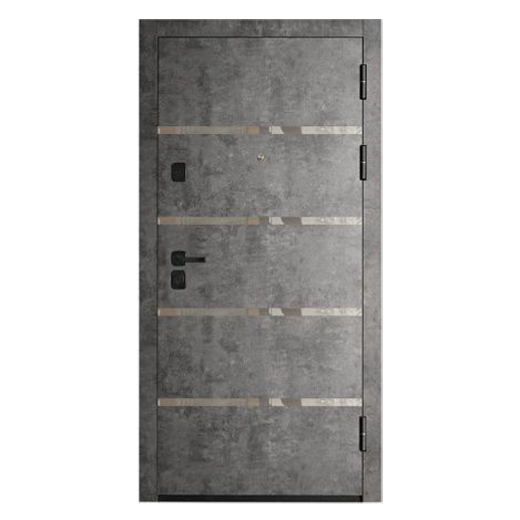
You’ll hear passionate arguments for steel’s strength, wood’s warmth, and fiberglass’s balance. But the truth? There is no single “best” material—only the best choice for your home, your climate, and your life.
Which Material Is Truly Best for Exterior Door
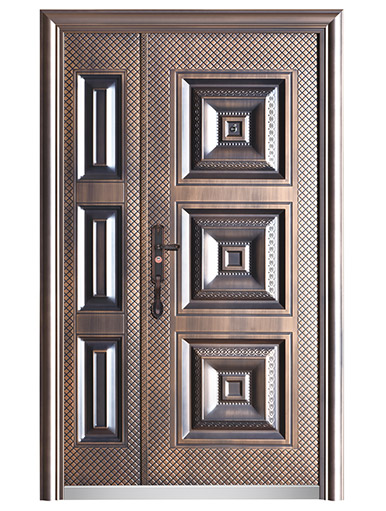
To call it a “metal door” is like calling a Stradivarius a “wooden instrument.” The term porta metallica italiana implies far more than material—it signals a philosophy of making rooted in saper fare (“knowing how to do”) and cura maniacale (“maniacal care”).
How Are Metal Italian Doors Really Made
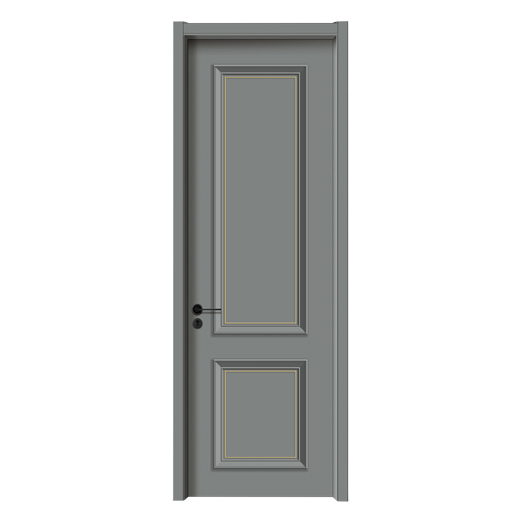
The top brands in the U.S. market today—Pella, JELD-WEN, Marvin, Simpson, and TruStile—have earned their reputation by mastering this balance.
US 2025 Trusted Wood Door Brands

When you need a gate that can handle the toughest conditions, galvanized steel is the material you can count on. This steel is coated with a layer of zinc, which helps prevent rust and corrosion, making it a top choice for outdoor and industrial security gates. It’s especially popular in applications where strength and durability are paramount.
Choosing the Right Material for Your Security Gate