
Tips for selecting heavy duty security doors
author: Top Victory
2024-08-12
1. Introduction to Heavy Duty Security Doors
In today’s world, the need for enhanced security in both residential and commercial spaces is paramount. One of the most effective measures to ensure safety is the installation of heavy-duty security doors. These doors are designed not only to deter potential intruders but also to provide peace of mind by creating a robust barrier between your property and external threats. Whether you’re looking to protect a home, business, or industrial facility, understanding the role and selection of security doors is crucial to making an informed choice.
2. Understanding the Types of Security Doors
•Material Options: Heavy-duty security doors are available in various materials, each offering different levels of protection and durability. Steel doors are among the most popular due to their exceptional strength and resistance to forced entry. Aluminum doors, while lighter, are also a strong option, particularly when reinforced with security-grade materials. For those seeking a balance between strength and design, reinforced composite doors offer a robust solution with the added benefit of aesthetic versatility.
•Design Variations: The design of a security door can significantly impact its functionality and appearance. Single doors are common in residential applications, while double doors are often used in commercial or industrial settings for added width and accessibility. Additionally, solid doors provide the highest level of privacy and security, while perforated or grille designs allow for airflow and visibility without compromising safety. Aesthetic finishes, including color and texture, can be chosen to match the architecture of the building, ensuring that security doesn’t come at the expense of visual appeal.
3. Key Features to Look for in Security Doors
•Strength and Durability: When selecting a security door, strength is a critical factor. Look for doors that are made from thick, high-quality materials designed to withstand force. The door’s construction should include reinforced hinges and a sturdy frame to prevent tampering or break-ins. Additionally, the door should be resistant to impacts and drilling, making it difficult for intruders to compromise the entry point.
•Locking Mechanisms: The security of a door is heavily dependent on its locking mechanisms. Deadbolts, multipoint locks, and electronic locks are all viable options, each offering different levels of security. Deadbolts are a standard choice for their reliability, while multipoint locks provide additional security by securing the door at multiple points along the frame. Electronic locks, which can be controlled remotely, offer convenience and the ability to monitor access. For maximum security, consider doors that combine several of these locking mechanisms.
•Weather Resistance: Security doors should not only protect against intruders but also withstand environmental factors. Consider doors that are weather-resistant, particularly if they will be exposed to the elements. Look for features such as corrosion-resistant coatings, water-resistant seals, and materials that can endure extreme temperatures without warping or degrading. A well-designed security door will provide long-lasting protection regardless of the climate.
4. Standards and Certifications
•Security Standards: To ensure that a security door meets the necessary criteria for safety and durability, it’s important to look for products that comply with recognized security standards. Standards like PAS 24 (for doorsets in the UK), ANSI/BHMA (for locks in North America), and UL 752 (for bullet resistance) provide benchmarks that manufacturers must meet. Doors that are tested and certified to these standards are proven to offer reliable protection against common threats.
•Fire Rating and Safety Certifications: In addition to security features, consider the fire rating of a door. A door with a fire rating indicates that it has been tested to withstand fire for a specific period, providing critical time for occupants to evacuate during an emergency. Other safety certifications, such as those for impact resistance or forced entry, can also be important depending on the intended use of the door. These certifications ensure that the door will perform well under a variety of conditions, providing comprehensive protection.
5. Installation Considerations
•Proper Sizing and Fit: The effectiveness of a security door depends significantly on its fit within the doorframe. Accurate measurements are crucial to ensure that the door fits snugly and can be securely installed. Gaps or misalignments can compromise the door’s integrity and make it easier for intruders to gain access. Therefore, it’s essential to take precise measurements and consider any potential obstructions, such as thresholds or door closers, when selecting the door size.
•Professional Installation: While DIY installation might seem like a cost-saving option, professional installation is recommended for security doors. Professional installers have the experience and tools needed to ensure that the door is correctly fitted, the frame is properly reinforced, and all locking mechanisms function as intended. This not only enhances the door’s security but also extends its lifespan, as a properly installed door is less likely to suffer from wear and tear or operational issues over time.
6. Cost vs. Value
•Price Range Overview: The cost of heavy-duty security doors can vary widely depending on factors such as material, design, and additional features. While basic models may be more affordable, they might not offer the same level of protection or durability as higher-end options. It’s important to consider the long-term value of the door, taking into account not just the initial purchase price but also the door’s expected lifespan, maintenance requirements, and the level of security it provides.
•Long-Term Value: Investing in a high-quality security door can offer significant long-term benefits. A well-made door not only enhances security but also reduces the need for frequent repairs or replacements, saving money in the long run. Additionally, the peace of mind that comes with knowing your property is well-protected is invaluable. When evaluating cost, consider the door’s durability, warranty, and the quality of its components, as these factors contribute to its overall value.
7. Customization Options
•Aesthetic Choices: Security doesn’t have to come at the expense of style. Many manufacturers offer customization options that allow you to choose the color, finish, and design of your security door. Whether you prefer a traditional look or a modern aesthetic, you can select a door that complements your building’s architecture while still providing robust security. Custom finishes can also include textures like wood grain or metallic effects, offering both functionality and visual appeal.
•Additional Features: For enhanced security and convenience, consider adding optional features to your security door. Reinforced frames and hinges provide additional protection against forced entry, while glass panels with security glazing offer visibility without compromising safety. Integrated technology, such as smart locks and security cameras, can also be added to monitor access and control the door remotely. These features can be tailored to meet specific security needs, providing a customized solution that aligns with your priorities.
8. Comparison with Other Security Solutions
•Alternative Security Measures: While heavy-duty security doors are a key component of a secure property, they are most effective when used in conjunction with other security measures. Compare security doors with alternatives like alarm systems, surveillance cameras, and window grilles, which can offer additional layers of protection. Each solution has its strengths, and the best security strategy often involves a combination of these measures to address different types of threats.
•Complementary Security Enhancements: Security doors can be part of a comprehensive security system that includes other enhancements such as motion sensor lighting, reinforced windows, and perimeter fencing. By combining these elements, you can create a multi-layered security approach that deters intruders and provides multiple barriers to entry. This holistic approach ensures that even if one security measure is compromised, others remain in place to protect your property.
9. Maintenance and Longevity
•Routine Maintenance: To ensure that your security door remains effective over time, regular maintenance is essential. This includes cleaning the door’s surface to prevent corrosion, lubricating locks and hinges to ensure smooth operation, and checking seals and weather stripping to maintain their effectiveness. Regular inspections can help identify potential issues early, allowing you to address them before they compromise the door’s security.
•Signs of Wear and When to Replace: Over time, even the best security doors may show signs of wear and tear. Look for indicators such as rust, difficulty in opening or closing the door, or visible damage to the locking mechanisms. If the door is no longer providing the level of security it once did, it may be time to consider a replacement. Upgrading to a new door with the latest security features can restore the protection of your property and ensure continued peace of mind.
10. Conclusion and Recommendations
Selecting a heavy-duty security door involves careful consideration of various factors, including material, design, locking mechanisms, and compliance with security standards. By understanding these elements, you can choose a door that offers the right balance of strength, durability, and aesthetic appeal for your specific needs.
When choosing a security door, prioritize quality and reliability over cost. A well-constructed door that meets industry standards and is professionally installed will provide long-lasting protection and value. Additionally, consider how the door will integrate with other security measures to create a comprehensive security solution. By taking these factors into account, you can ensure that your property is well-protected against potential threats.
In conclusion, heavy-duty security doors are a critical investment in safeguarding your property. By selecting the right door and ensuring it is properly installed and maintained, you can enhance the security of your home or business, providing peace of mind and long-term protection.
Guide to Selection Heavy Duty Door Stoppers
Top Victory: Wooden Door Factory China Supplier
Related Article
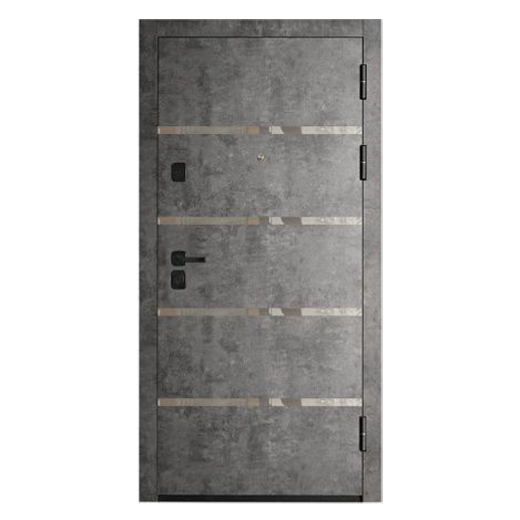
You’ll hear passionate arguments for steel’s strength, wood’s warmth, and fiberglass’s balance. But the truth? There is no single “best” material—only the best choice for your home, your climate, and your life.
Which Material Is Truly Best for Exterior Door
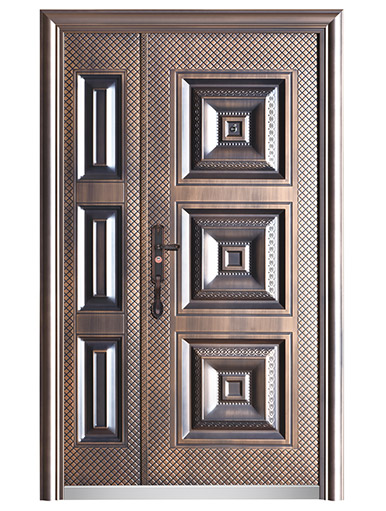
To call it a “metal door” is like calling a Stradivarius a “wooden instrument.” The term porta metallica italiana implies far more than material—it signals a philosophy of making rooted in saper fare (“knowing how to do”) and cura maniacale (“maniacal care”).
How Are Metal Italian Doors Really Made
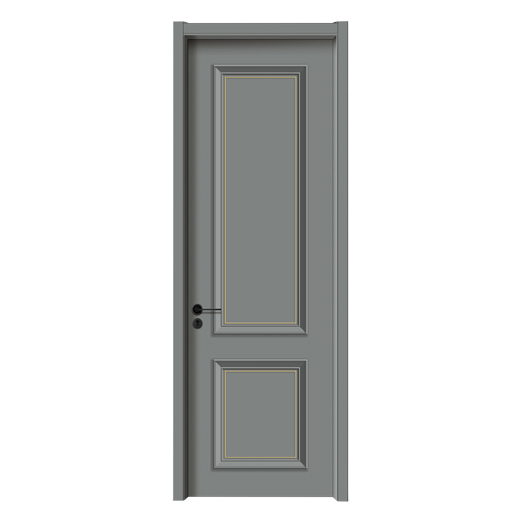
The top brands in the U.S. market today—Pella, JELD-WEN, Marvin, Simpson, and TruStile—have earned their reputation by mastering this balance.
US 2025 Trusted Wood Door Brands

When you need a gate that can handle the toughest conditions, galvanized steel is the material you can count on. This steel is coated with a layer of zinc, which helps prevent rust and corrosion, making it a top choice for outdoor and industrial security gates. It’s especially popular in applications where strength and durability are paramount.
Choosing the Right Material for Your Security Gate