
Home /Blog /Company News /Why is it important to have a robust locking mechanism on the heavy duty steel security doors? /
Why is it important to have a robust locking mechanism on the heavy duty steel security doors?
author: Top Victory
2024-06-17
Why Robust Locking Mechanisms are Vital for Heavy-Duty Steel Security Doors
Fort Knox-worthy security starts with a formidable barrier - the heavy-duty steel security door. But just like any well-built castle, a robust defense requires more than just a thick wall. The unsung hero in this security equation is the robust locking mechanism. Here's why it plays such a critical role in keeping your valuables and loved ones safe.
The Achilles' Heel of a Steel Guardian
Imagine an impenetrable steel door. Impressive, right? However, weaknesses can lurk in the most unexpected places. Standard locks on such a door become the tempting target for intruders. They'd rather exploit this vulnerability than attempt a brute force assault on the solid steel itself. This is where a robust locking mechanism steps in, acting as the final line of defense and ensuring your heavy-duty steel security door lives up to its name.
The Arsenal of a Robust Defender
So, what makes a locking mechanism robust? Several key features turn it into a formidable guardian:
•Heavy-Duty Deadbolts: Standard deadbolts often have shallow throws, meaning the bolt doesn't extend far into the door frame. Heavy-duty security doors, however, counter with heavy-duty deadbolts that extend deeper into the reinforced steel frame. This deeper engagement makes it much harder for intruders to pry open the door, even with significant force.
•Drill Resistance: Basic locks can be breached with tools like drills. A robust locking mechanism incorporates drill-resistant materials that make drilling nearly impossible. This thwarts break-in attempts that would target the lock itself.
•Bump-Proof Technology: The "bumping" technique involves manipulating the lock cylinder to gain entry. Robust locking mechanisms employ bump-proof technology that hinders such attempts, adding another layer of security.
•Pick Resistance: Basic picking tools can be used to bypass some locks. Robust mechanisms include pick-resistant features that significantly increase the difficulty of picking the lock, discouraging criminals from even trying.
A Well-Coordinated Defense
A robust locking mechanism is just one piece of the security puzzle. Here's how other elements work together to create a layered defense system:
•Reinforced Strike Plates: The strike plate is the metal plate on the door jamb that the deadbolt fits into when the door is locked. In heavy-duty security doors, the strike plate is reinforced with strong materials to prevent it from being damaged or ripped away. A damaged strike plate can render the lock ineffective.
•Security Alarms: Many heavy-duty security doors can be integrated with security alarm systems. A robust locking mechanism combined with an alarm system creates a powerful deterrent. In the event of a break-in attempt, the alarm would be triggered, alerting authorities and scaring off intruders.
The Takeaway: Strength Deserves Strength
A robust locking mechanism is the unsung hero of a heavy-duty steel security door. Its features work in unison to deter break-in attempts and safeguard your property. Remember, a powerful door deserves an equally powerful lock to provide comprehensive security. When it comes to protecting your valuables and loved ones, don't underestimate the importance of a robust locking mechanism.
What are the most common security vulnerabilities associated with heavy duty steel security doors?
Heavy-duty steel security doors are renowned for their strength and ability to deter break-in attempts. However, even these formidable barriers have vulnerabilities that determined intruders may try to exploit. Here's a closer look at the common security weaknesses associated with heavy-duty steel security doors, along with steps you can take to minimize these risks:
Targeting the Lock Itself:
•Lock Picking and Bumping While robust locking mechanisms with features like pick resistance and bump-proof technology significantly reduce this risk, it's not entirely eliminated. Especially skilled criminals might still attempt these techniques. To mitigate this, invest in a high-security lock with the most advanced features available that suit your budget and security needs. Partnering with a reputable security professional can help you choose the right lock for your specific application.
•Improper Lock Installation An improperly installed lock, regardless of its inherent strength, can become a major security chink in the armor. Ensure a qualified locksmith or security professional installs the lock to guarantee its functionality and maximize its security potential. A professional can assess your door and recommend the appropriate lock and installation strategy.
Exploiting Weak Points Around the Door:
•Hinges Heavy-duty security doors typically have tamper-resistant hinges, but these can be a target if not installed correctly or if the hinges themselves are not sufficiently robust. Invest in heavy-duty, tamper-resistant hinges with a proven track record of security. During installation, ensure they are securely fastened to both the door and the frame using high-quality fasteners.
•Door Frame The steel frame is what provides a solid foundation for the entire door assembly. However, a flimsy frame or one that's improperly installed can negate the security benefits of the door itself. Choose a high-quality steel frame specifically designed to handle the weight and intended security level of your heavy-duty door. Similar to the lock installation, have a professional install the frame to ensure a secure and proper fit.
•Gaps Around the Door Even a small gap between the door and the frame can provide an opportunity for a determined intruder. Over time, weatherstripping can wear down or become misaligned, creating vulnerabilities. Regularly inspect the door for any gaps and ensure the weatherstripping is in good condition. Replace weatherstripping as needed to maintain a tight seal around the entire perimeter of the door.
Human Error and System Integration:
•Key Control Lost or stolen keys pose a significant security risk. Implement a strict key control system, limiting the number of copies made and keeping them in secure locations. Consider using a key control system with a key fob or coded entry to eliminate the need for physical keys altogether.
•Alarm System Integration If your heavy-duty security door is integrated with an alarm system, its effectiveness hinges on the system's functionality and monitoring. Ensure the system is functioning properly and professionally monitored for any potential breaches. Regular testing and maintenance of the alarm system are crucial to maintaining its reliability.
•User Awareness Security is a team effort. Everyone using the heavy-duty security door should be aware of proper security procedures. These procedures may include locking the door immediately upon entering or exiting, verifying the identity of anyone requesting entry, and not allowing unauthorized individuals to piggyback their entry. Educating everyone involved in using the door empowers them to be active participants in maintaining security.
Latest interior doors styles | 2024 popular trends
What materials are recommended for entrance doors in high-traffic areas?
Related Article
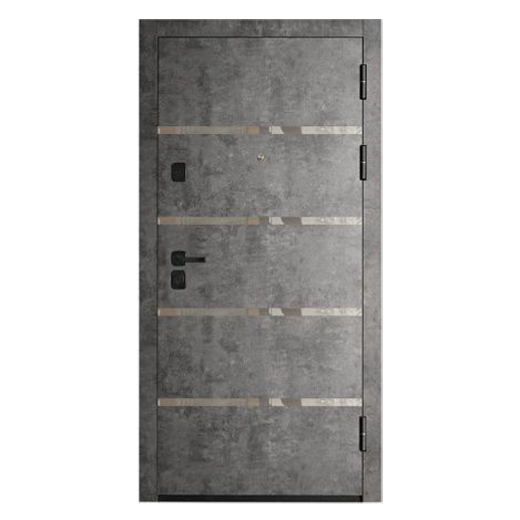
You’ll hear passionate arguments for steel’s strength, wood’s warmth, and fiberglass’s balance. But the truth? There is no single “best” material—only the best choice for your home, your climate, and your life.
Which Material Is Truly Best for Exterior Door
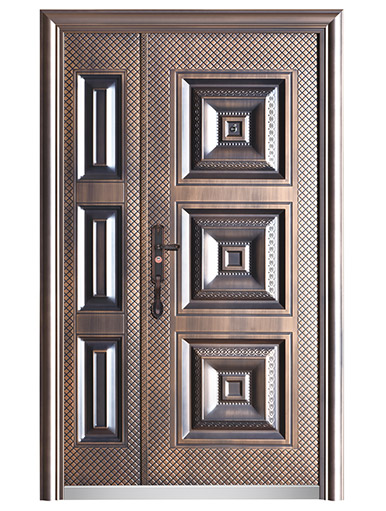
To call it a “metal door” is like calling a Stradivarius a “wooden instrument.” The term porta metallica italiana implies far more than material—it signals a philosophy of making rooted in saper fare (“knowing how to do”) and cura maniacale (“maniacal care”).
How Are Metal Italian Doors Really Made
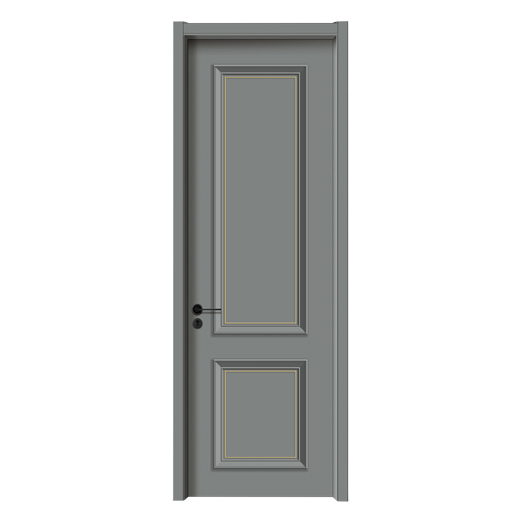
The top brands in the U.S. market today—Pella, JELD-WEN, Marvin, Simpson, and TruStile—have earned their reputation by mastering this balance.
US 2025 Trusted Wood Door Brands

When you need a gate that can handle the toughest conditions, galvanized steel is the material you can count on. This steel is coated with a layer of zinc, which helps prevent rust and corrosion, making it a top choice for outdoor and industrial security gates. It’s especially popular in applications where strength and durability are paramount.
Choosing the Right Material for Your Security Gate