
Home /Blog /Company News /What materials are recommended for entrance doors in high-traffic areas? /
What materials are recommended for entrance doors in high-traffic areas?
author: Top Victory
2024-06-17
Heavy-Duty Security Doors Bolstering Your Defenses
Your home or business security is paramount. While standard doors offer a basic level of privacy and separation, when it comes to safeguarding valuables or creating a high-security environment, heavy-duty security doors become the undeniable guardians. Let's delve deeper into how these robust doors differ from their standard counterparts in terms of construction, functionality, and ideal applications.
Built to Withstand: The Impregnable Strength of Heavy-Duty Security Doors
Heavy-duty security doors prioritize one crucial aspect: impenetrable defense. Their construction reflects this focus:
•Solid Core: Unlike standard doors that often have hollow cores for weight savings and affordability, heavy-duty security doors utilize solid steel plates or reinforced steel with significant thickness. In extreme security situations, ballistic protection might necessitate additional materials like Kevlar for enhanced defense. This solid core construction makes these doors significantly more resistant to forceful entry attempts compared to standard doors.
•Fortified Frames: The frames of standard doors are typically constructed from lighter gauge materials like wood or standard steel. In contrast, heavy-duty security doors employ heavy-gauge steel frames to provide an unyielding foundation for the door itself. This robust frame plays a critical role in maintaining the structural integrity of the door during an attempted break-in, preventing intruders from compromising the door by damaging the frame.
Function Over Frills: Prioritizing Security Features in Heavy-Duty Security Doors
While aesthetics play a role in standard door design, heavy-duty security doors prioritize function over form. Here's how they focus on keeping intruders at bay:
•Reinforced Locking Mechanisms: Standard doors often have basic deadbolts that can be bypassed with common tools. Heavy-duty security doors, however, counter with heavy-duty deadbolts that feature strong throws, extending deeper into the reinforced frame for significantly enhanced security. This makes it much more difficult for intruders to pry open the door, even with forceful attempts.
•Additional Deterrents: The design of heavy-duty security doors goes beyond just the locks. They may incorporate additional security features like door closers for automatic shuttling, peepholes for secure identification of visitors before granting entry, and built-in alarm systems that can trigger an immediate response in case of a break-in attempt. These features work together to deter potential intruders and make forced entry a much riskier proposition
•Tamper-Resistant Hinges: Standard door hinges can be a weak point, vulnerable to tampering or being disabled with basic tools. Heavy-duty security doors address this by utilizing heavy-duty hinges that are tamper-resistant. These hinges are designed to withstand forced entry attempts and make it significantly more difficult for intruders to bypass the hinges and gain entry.
Applications: Where High-Security is Essential
The robust build and advanced security features of heavy-duty security doors make them ideal for specific situations:
•High-Value Assets: Banks, jewelry stores, data centers, and other locations safeguarding valuable assets require the utmost protection. Heavy-duty security doors deter break-in attempts and protect these assets from theft.
•Vulnerable Occupants: Armories, courthouses, and areas housing vulnerable individuals require maximum security to ensure their safety. Heavy-duty security doors provide a robust line of defense against unauthorized entry.
•High-Crime Areas: In locations with a high incidence of crime, buildings often utilize heavy-duty security doors on entrances to deter break-ins and ensure occupant safety. These doors make it significantly more challenging for criminals to gain entry, offering peace of mind to building occupants.
•Home Security Upgrades: For heightened home security, heavy-duty security doors can be installed in basements, garages, or vulnerable entry points like back doors. These doors offer an extra layer of protection for homeowners and their valuables, especially in areas with a higher risk of break-ins.
Choosing the Right Door for Your Needs
The ideal door hinges on your specific security requirements. For maximum protection of valuables or at-risk occupants, heavy-duty security doors are the unyielding guardians you need. Their robust build and advanced security features offer unparalleled defense against forced entry attempts. However, for standard interior applications or low-risk commercial settings where aesthetics and affordability are primary considerations, standard doors may be a suitable choice. By understanding the key differences between these door types, you can make an informed decision to bolster your security and create a safe and secure environment.
What materials are recommended for entrance doors in high-traffic areas?
The entrance door is the gateway to your home or business, serving as a first impression and a vital security barrier. But in high-traffic areas, it faces an additional challenge - withstanding constant use and wear. Selecting the right material for your entrance door is crucial for ensuring durability, functionality, and lasting aesthetics. Here, we explore some recommended materials for high-traffic entryways:
Fiberglass: The Durable Contender
•Aesthetics and Affordability: Fiberglass doors offer a winning combination of affordability and aesthetics. They come in a wide range of styles and finishes, mimicking the look of wood grain for a classic touch or boasting smooth, contemporary designs.
•Strength and Weather Resistance: Fiberglass doors are incredibly strong and resistant to warping, denting, and weather extremes like rain, snow, and UV rays. This makes them ideal for high-traffic entryways that experience frequent use and varying weather conditions.
•Low Maintenance: Fiberglass doors are low-maintenance champions. They require minimal upkeep and can be easily cleaned with mild soap and water. This is a significant advantage in high-traffic areas where scuffs and dirt are a common occurrence.
Steel: The Fortified Guardian
•Unmatched Security: For the ultimate in security and durability, steel doors reign supreme. Heavy duty security front doors constructed from solid steel provide unparalleled protection against forced entry attempts, making them a top choice for high-security applications.
•Weather Resistance: Steel doors are impervious to weather elements like rain, snow, and extreme temperatures. They won't warp, crack, or rot over time, ensuring long-lasting performance in any climate.
•Versatility and Customization: While often associated with a more industrial aesthetic, steel doors offer surprising versatility. They can be painted in various colors to match your style, and some come with decorative elements or glass inserts for a more modern or customizable look.
Wood: Timeless Beauty with Considerations
•Classic Appeal: Wood doors exude timeless elegance and warmth, creating a sophisticated and inviting entrance. They are available in various species like mahogany, walnut, or oak, each offering a unique aesthetic.
•Durability with Maintenance: While incredibly beautiful, wood doors require more maintenance compared to fiberglass or steel. Regular refinishing is necessary to preserve their appearance and protect them from the elements. This may not be ideal for high-traffic areas with constant wear and tear.
•Susceptibility to Weather: Wood doors are more susceptible to warping or cracking due to moisture and temperature fluctuations. In high-traffic areas exposed to harsh weather conditions, wood may not be the most practical choice.
Choosing the Right Material
The ideal material for your high-traffic entryway depends on your priorities:
•Security: For maximum security, especially in high-risk areas, consider heavy duty security front doors made from solid steel. These doors offer unmatched protection and peace of mind.
•Durability and Low Maintenance: If low maintenance and lasting durability are your top concerns, fiberglass is an excellent choice.
•Aesthetics: If you prioritize a classic and timeless look, wood doors offer undeniable beauty. However, be prepared for the additional maintenance they require.
Why is it important to have a robust locking mechanism on the heavy duty steel security doors?
How can different materials and finishes be used to create a unique and visually appealing entrance door
Related Article
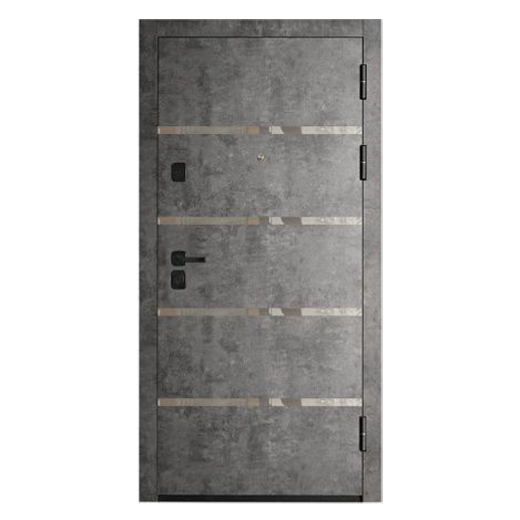
You’ll hear passionate arguments for steel’s strength, wood’s warmth, and fiberglass’s balance. But the truth? There is no single “best” material—only the best choice for your home, your climate, and your life.
Which Material Is Truly Best for Exterior Door
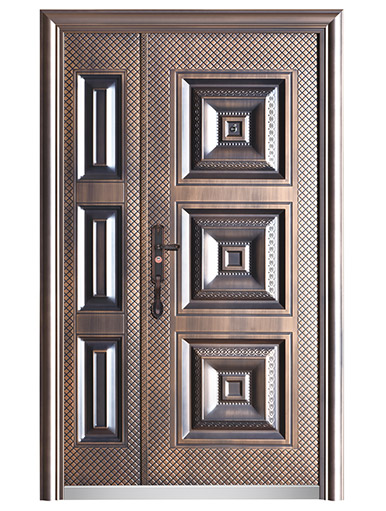
To call it a “metal door” is like calling a Stradivarius a “wooden instrument.” The term porta metallica italiana implies far more than material—it signals a philosophy of making rooted in saper fare (“knowing how to do”) and cura maniacale (“maniacal care”).
How Are Metal Italian Doors Really Made
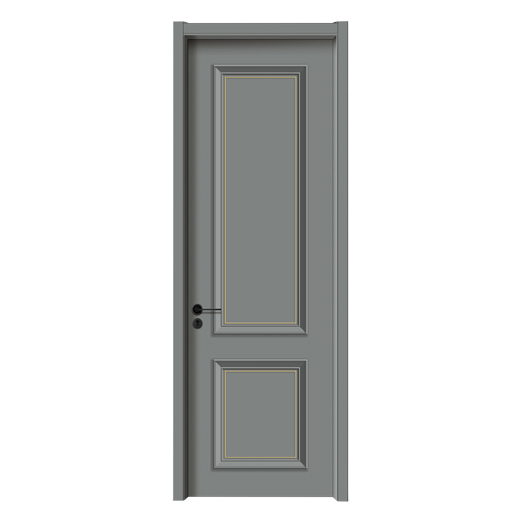
The top brands in the U.S. market today—Pella, JELD-WEN, Marvin, Simpson, and TruStile—have earned their reputation by mastering this balance.
US 2025 Trusted Wood Door Brands

When you need a gate that can handle the toughest conditions, galvanized steel is the material you can count on. This steel is coated with a layer of zinc, which helps prevent rust and corrosion, making it a top choice for outdoor and industrial security gates. It’s especially popular in applications where strength and durability are paramount.
Choosing the Right Material for Your Security Gate