
Heavy-Duty Metal Screen Doors Security Assessment
author: Top Victory
2024-06-26
Table of contents:
What Are the Key Design Elements That Make an Heavy Duty Metal Screen Door Visually Appealing?
Heavy-duty metal screen doors are renowned for their strength and ability to deter potential intruders. However, their utilitarian nature can sometimes lead to the misconception that they lack aesthetic appeal. Fortunately, with careful consideration of design elements, these security barriers can be transformed into attractive additions to your home's exterior. Here, Top Victory explore key design features that elevate the visual impact of heavy-duty metal screen doors:
Beyond Basic Grids: Ornamental Mesh Patterns
Move beyond the standard diamond or square grid mesh commonly found in screen doors. Heavy-duty metal screen doors can incorporate more captivating mesh patterns that complement your home's architectural style. Think swirls, curves, or geometric designs etched into the metal. These intricate details can add a touch of elegance and create a visually distinctive entryway.
For an extra design flourish, consider decorative overlays crafted from wrought iron or other visually appealing materials. These overlays are often layered on top of a base layer of secure mesh, creating a unique composition and enhancing the door's overall sophistication.
Frame Flair: Powder Coating and Decorative Accents
The standard finish for a heavy-duty metal screen door is often a simple coat of paint. However, for a more visually captivating and durable option, consider powder coating. This technique offers a wider variety of colors and finishes, allowing you to perfectly match the door to your home's color scheme and architectural style.
The frame itself can be another design element to explore. Look for doors with decorative accents like curves, fluting, or a textured finish. These details can add a touch of visual interest and create a more cohesive look with your home's exterior.
Strategic Use of Glass: Balancing Security and Light
While security mesh is the primary function of a screen door, some heavy-duty options incorporate small panels of decorative glass along the top or sides. This strategic use of glass allows for a touch of light and visual intrigue without compromising security.
The type of glass itself becomes a design choice. Frosted, tinted, or patterned glass can add a unique touch while maintaining privacy. For a more secluded entryway, frosted or textured glass inserts within the mesh panels can provide some light filtration while maintaining security. This approach offers a more aesthetically pleasing alternative to solid metal panels.
Hardware Selection: The Finishing Touches
The hardware on a screen door, including the hinges and handles, should not be overlooked. Opt for options with decorative finishes like brushed nickel, oil-rubbed bronze, or even black matte for a modern look. These details can elevate the overall look of the door and complement the design of your entryway.
By incorporating these design elements, you can select a heavy-duty metal screen door that provides the security you need without sacrificing aesthetics. Remember, a secure and visually appealing entryway not only enhances your home's curb appeal but also creates a welcoming first impression.

What Are the Most Common Security Vulnerabilities Associated with Heavy Duty Metal Screen Door?
While heavy-duty metal screen doors offer undeniable benefits - improved ventilation, insect deterrence, and a touch of visual appeal - their role in physical security is often misunderstood. This report provides a professional assessment of the inherent vulnerabilities associated with these doors and explores strategies to maximize their effectiveness within a layered security approach.
Limited Physical Barrier: The core function of a screen door prioritizes ventilation and insect control, not high-level security. The metal mesh, although sturdy, can be breached with focused effort using tools like bolt cutters or heavy-duty shears. This renders them unsuitable for securing areas containing valuables or deterring determined break-in attempts.
Weaknesses in Locking Mechanisms: While some screen doors have basic latches or locks, these mechanisms are often easily compromised with tools or even brute force. An intruder with minimal experience may be able to pry open the door or disable the locking mechanism altogether.
Frame Vulnerability to Forced Entry: The frame of a screen door, even a heavy-duty metal one, is typically not designed to withstand forceful impacts. A determined intruder could potentially kick in the frame to gain entry, especially if the door is not securely locked.
Gaps and Openings as Security Weaknesses: By design, screen doors incorporate gaps around the edges and between the mesh and frame to facilitate ventilation. These gaps can be large enough for a small person or animal to squeeze through, compromising security.
Easy Bypass with Adjacent Access Points: If a screen door secures a secondary entry point like a back door or basement door, an intruder who has gained access to the main entryway can easily bypass the screen door to reach these areas.
Mitigating Vulnerabilities: A Layered Security Strategy
While screen doors have limitations, they can still be a valuable component of a comprehensive security strategy when implemented thoughtfully:
Layered Security Approach: Screen doors function best when combined with solid core doors . The screen door provides an initial layer of protection and deters casual entry attempts, while the solid core door serves as the primary barrier against forced entry.
Securing Secondary Entry Points: Screen doors can be suitable for less vulnerable entryways like back doors, patios, or mudrooms. They offer ventilation and insect control while providing a deterrent against opportunistic attempts to enter these areas.
Enhanced Visibility and Awareness: Screen doors with clear mesh increase visibility between your home's interior and exterior. This allows you to identify visitors before opening the main door and can deter potential intruders who are wary of being seen.
Additional Security Measures: Augment security with deterrent measures like security lighting around entry points, alarm systems, or even reinforcing the frame of the screen door for additional kick-in resistance.
Security for the Right Application
By acknowledging the limitations and implementing them strategically, heavy-duty metal screen doors can be a valuable asset to your home's security posture. However, for high-security applications or securing primary entry points, solid core doors with robust locking mechanisms remain the best option.
What Types of Garage Doors Are Available from the Supplier?
Latest interior doors styles | 2024 popular trends
Related Article
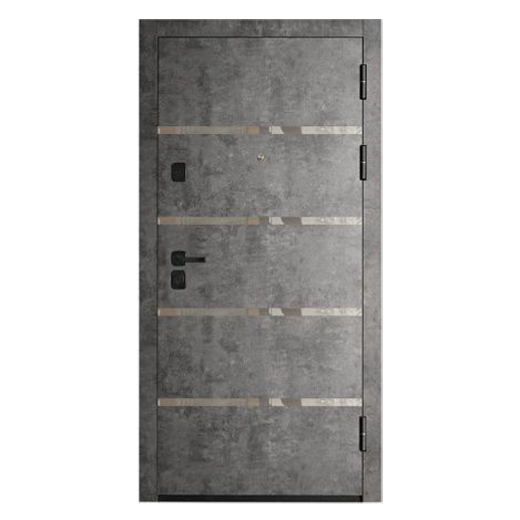
You’ll hear passionate arguments for steel’s strength, wood’s warmth, and fiberglass’s balance. But the truth? There is no single “best” material—only the best choice for your home, your climate, and your life.
Which Material Is Truly Best for Exterior Door
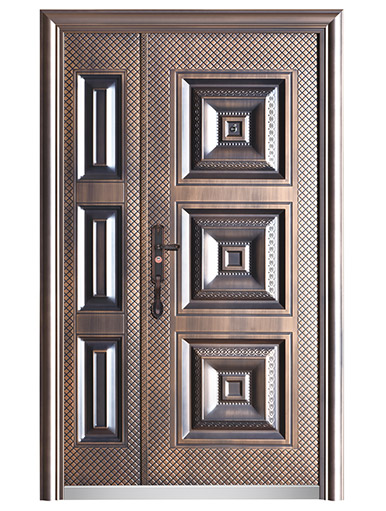
To call it a “metal door” is like calling a Stradivarius a “wooden instrument.” The term porta metallica italiana implies far more than material—it signals a philosophy of making rooted in saper fare (“knowing how to do”) and cura maniacale (“maniacal care”).
How Are Metal Italian Doors Really Made
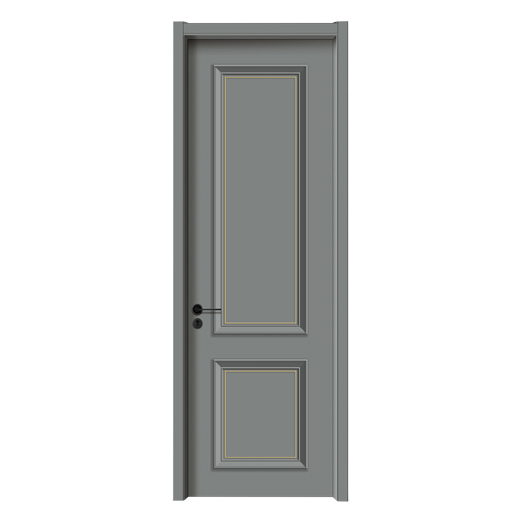
The top brands in the U.S. market today—Pella, JELD-WEN, Marvin, Simpson, and TruStile—have earned their reputation by mastering this balance.
US 2025 Trusted Wood Door Brands

When you need a gate that can handle the toughest conditions, galvanized steel is the material you can count on. This steel is coated with a layer of zinc, which helps prevent rust and corrosion, making it a top choice for outdoor and industrial security gates. It’s especially popular in applications where strength and durability are paramount.
Choosing the Right Material for Your Security Gate