
Heavy Duty Door Closers Materials and Construction
author: Top Victory Door
2024-09-04
Heavy duty door closers are integral components in managing the function and safety of doors in various settings. Their effectiveness relies heavily on the materials used and the construction techniques employed. Here Top Victory Door will share the specifics of the materials and construction of heavy duty door closers, providing a comprehensive overview for industry professionals and building managers.
Heavy duty door closers are sophisticated devices designed to automatically close doors after they have been opened. Their primary functions include maintaining safety, ensuring security, and contributing to energy efficiency. The performance and longevity of these devices are significantly influenced by the materials used and the methods of construction. Understanding these aspects is crucial for selecting the right door closer and ensuring its reliable operation.
Overview of Heavy Duty Door Closers Functionality, Types,
Functionality
Heavy duty door closers are engineered to control the speed and force with which a door closes. They consist of a range of mechanical components that work in unison to ensure that doors close smoothly and securely. These devices are essential in environments where heavy doors are used or where high traffic is expected, such as commercial buildings, industrial facilities, and high-traffic public areas.
Types
Heavy duty door closers come in various types, including surface-mounted, concealed, and overhead models. Each type has specific construction requirements and material considerations:
- Surface-Mounted Door Closers: These are attached to the surface of the door frame and are the most common type used in various settings.
- Concealed Door Closers: Installed within the door or frame, these models offer a more discreet appearance and are often used in high-end commercial or residential applications.
- Overhead Door Closers: Mounted above the door, these are typically used in industrial settings to manage heavy and high-use doors.
Materials Used in Heavy Duty Door Closers
Metal Components
The primary materials used in heavy duty door closers are metals, chosen for their strength and durability:
- Aluminum: Lightweight and resistant to corrosion, aluminum is often used for the housing and casing of door closers. It provides a good balance between strength and weight.
- Steel: High-strength steel is used in components that require additional durability, such as the internal mechanisms and mounting brackets. Steel is chosen for its robustness and resistance to mechanical stress.
- Brass: Used in some high-end models, brass components offer both aesthetic appeal and excellent resistance to corrosion and wear.
Plastic and Rubber Parts
Plastic and rubber components enhance the performance and longevity of door closers:
- Plastic: High-grade plastic is used in components such as covers and adjustment knobs. It is valued for its resistance to wear and ease of molding into precise shapes.
- Rubber: Rubber gaskets and seals are employed to reduce noise and ensure a tight fit between moving parts, which helps in preventing leaks and enhancing the door closer’s functionality.
Construction of Heavy Duty Door Closers
Housing and Casing
The housing or casing of a heavy duty door closer is critical for its durability and appearance:
- Casting: Many door closers use cast aluminum or steel for the housing. Casting provides a strong, robust structure that can withstand heavy use and impacts.
- Finishing: The casing is often finished with coatings or paints that protect against corrosion and wear, such as powder coating or anodizing. This finishing process also contributes to the aesthetic appeal of the door closer.
Internal Mechanisms
The internal mechanisms of door closers are complex and designed to handle various operational stresses:
- Hydraulic or Pneumatic Systems: These systems control the speed and force of the door closing action. Hydraulic systems use fluid to regulate motion, while pneumatic systems use air pressure. Each system has its construction requirements, including precision-engineered cylinders and valves.
- Springs and Valves: Heavy duty door closers use high-strength springs and precision valves to manage the door’s closing action. These components must be engineered to handle the specific weight and usage requirements of the door.
Heavy Duty Door Closers Hydraulic Systems
Hydraulic Fluid
Hydraulic door closers use fluid to control the door's motion:
- Types of Hydraulic Fluids: Various types of hydraulic fluids are used, including mineral oils and synthetic fluids. The choice of fluid affects the performance and longevity of the door closer, as different fluids have varying properties related to viscosity, lubrication, and temperature stability.
- Properties: Hydraulic fluids must be stable across a range of temperatures and resistant to degradation over time. They are essential for ensuring smooth and controlled door movement.
Cylinder and Piston
The hydraulic cylinder and piston are central to the operation of hydraulic door closers:
- Construction: These components are typically made from high-strength metals to withstand the pressures involved in closing heavy doors. Precision engineering ensures smooth operation and minimal friction.
- Function: The piston moves within the cylinder, forcing hydraulic fluid through various channels to control the speed and force of the door’s closing action.
Pneumatic Systems
Pneumatic Mechanisms
Pneumatic door closers use air pressure to control door movement:
- Air Chamber and Valve System: The air chamber and valve system regulate the flow of air to control the door’s closing action. The design and construction of these components are crucial for ensuring reliable performance.
- Advantages and Disadvantages: Pneumatic systems are lighter and simpler than hydraulic systems but may not provide the same level of control or durability in heavy-duty applications. They are ideal for situations where minimal maintenance and lighter weight are priorities.
Adjustable Components
Adjustment Mechanisms
Heavy duty door closers often feature adjustable components:
- Closing Speed Control: Allows for the regulation of how quickly the door closes, ensuring smooth operation and preventing slamming.
- Latching Speed Control: Adjusts the final speed of the door as it reaches the latch position, ensuring a secure closure without excessive force.
- Backcheck Adjustment: Provides resistance to prevent the door from being opened too forcefully, protecting the door and closer from damage.
Maintenance Considerations
Regular maintenance is necessary to keep adjustable components functioning correctly:
- Regular Checks: Periodic inspection and adjustment ensure that the door closer continues to operate smoothly and effectively.
- Lubrication: Keeping moving parts lubricated helps reduce friction and wear, extending the lifespan of the door closer.
Durability and Wear Resistance
Material Durability
The choice of materials impacts the durability of heavy duty door closers:
- Corrosion-Resistant Coatings: Many door closers are treated with coatings or finishes that resist corrosion, such as powder coating or anodizing. These treatments enhance the longevity of the door closer in various environmental conditions.
- Wear and Tear: High-strength materials and precise engineering are essential for withstanding the stresses of frequent use, ensuring that the door closer remains functional and reliable over time.
Testing and Standards
Heavy duty door closers are subject to rigorous testing and standards:
- ANSI/BHMA Standards: Compliance with ANSI/BHMA (American National Standards Institute/Builders Hardware Manufacturers Association) standards ensures that door closers meet specific performance criteria, including durability, reliability, and safety.
- Quality Assurance: Testing methods assess the performance of door closers under various conditions, ensuring they meet industry standards and provide long-term reliability.
Design Considerations
Ergonomics and Aesthetics
Design considerations include both functionality and appearance:
- Ergonomic Design: Ensures that the door closer is easy to operate and maintain. Features such as accessible adjustment controls and user-friendly installation processes contribute to overall usability.
- Aesthetic Appeal: The design and finish of the door closer should complement the building’s architecture and enhance its visual appeal, especially in high-end or design-conscious environments.
Compatibility
The design must also ensure compatibility with different door types and installations:
- Door Types: Heavy duty door closers must be compatible with the specific type of door they are intended for, whether it is a standard door, fire door, or high-traffic door.
- Installation Requirements: Considerations for installation include the mounting surface, door frame dimensions, and the need for additional hardware or modifications.
Environmental Factors
Weather Resistance
Heavy duty door closers are designed to withstand environmental conditions:
- Humidity and Temperature Fluctuations: Materials and finishes are selected to resist the effects of humidity and temperature changes, ensuring reliable performance in various climates.
- Exposure to Harsh Conditions: For outdoor or industrial applications, door closers may be designed with additional protective features to resist elements such as rain, snow, and dust.
Corrosion Resistance
Corrosion resistance is critical for maintaining the functionality and appearance of door closers:
- Protective Coatings: Coatings such as zinc plating or epoxy powder coating help protect metal components from rust and corrosion.
- Material Selection: Corrosion-resistant materials, such as stainless steel or aluminum, are chosen for their ability to withstand exposure to moisture and chemicals.
Case Studies and Examples
Real-World Applications
Examples of heavy duty door closers in various settings highlight their effectiveness:
- Commercial Buildings: In office buildings, door closers manage high-traffic doors, ensuring smooth operation and security.
- Industrial Environments: Factories and warehouses benefit from heavy duty door closers that handle the stresses of large, heavy doors.
Innovative Solutions
Innovations in materials and construction techniques enhance door closer performance:
- Advanced Materials: New materials and composites offer improved durability and performance.
- Technological Advances: Innovations such as integrated sensors or smart controls provide enhanced functionality and ease of use.
Top Victory Custom Visitor Tour
Types of Heavy Duty Door Closers
Related Article
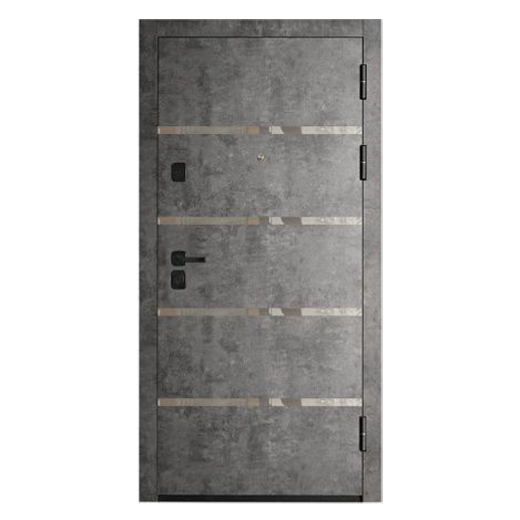
You’ll hear passionate arguments for steel’s strength, wood’s warmth, and fiberglass’s balance. But the truth? There is no single “best” material—only the best choice for your home, your climate, and your life.
Which Material Is Truly Best for Exterior Door
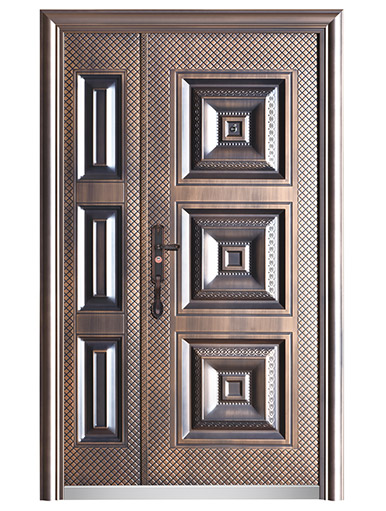
To call it a “metal door” is like calling a Stradivarius a “wooden instrument.” The term porta metallica italiana implies far more than material—it signals a philosophy of making rooted in saper fare (“knowing how to do”) and cura maniacale (“maniacal care”).
How Are Metal Italian Doors Really Made
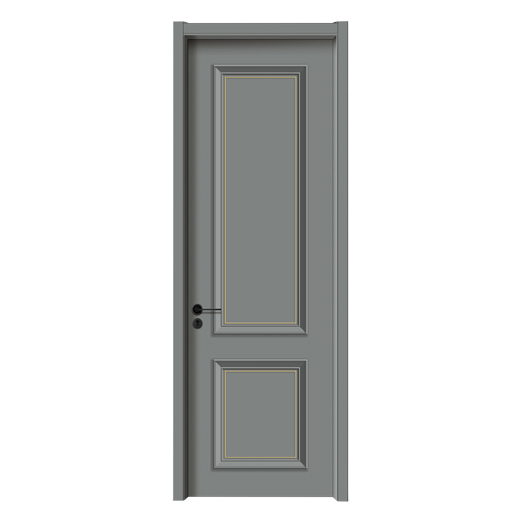
The top brands in the U.S. market today—Pella, JELD-WEN, Marvin, Simpson, and TruStile—have earned their reputation by mastering this balance.
US 2025 Trusted Wood Door Brands

When you need a gate that can handle the toughest conditions, galvanized steel is the material you can count on. This steel is coated with a layer of zinc, which helps prevent rust and corrosion, making it a top choice for outdoor and industrial security gates. It’s especially popular in applications where strength and durability are paramount.
Choosing the Right Material for Your Security Gate