
Guide to Selection Heavy Duty Door Stoppers
author: Top Victory
2024-08-19
Introduction to Heavy Duty Door Stoppers
Heavy-duty door stoppers are essential tools designed to protect doors, walls, and property from damage caused by doors swinging open too forcefully. Unlike standard door stoppers, heavy-duty versions are built to withstand significant impact and are often used in commercial, industrial, and high-traffic residential settings. These stoppers not only prevent damage but also enhance safety by controlling the movement of doors, making them a crucial component in any secure and well-maintained environment.
Types of Heavy Duty Door Stoppers
Floor-Mounted Stoppers: Floor-mounted stoppers are installed directly on the floor and are designed to stop doors from opening too far, thereby preventing damage to walls and furniture. They are particularly useful in areas where doors are frequently subjected to strong forces, such as warehouses or busy offices.
Wall-Mounted Stoppers: Wall-mounted stoppers are attached to the wall and absorb the impact of a door, preventing it from slamming into the wall. These stoppers are ideal for protecting both the door and the wall, especially in areas where space is limited, and a floor-mounted stopper may not be feasible.
Kickdown Stoppers: Kickdown stoppers are versatile options that can be engaged or disengaged with a simple kick. They hold doors open at a desired angle and are commonly used in commercial settings where doors need to remain open temporarily, such as in retail stores or loading docks.
Magnetic Stoppers: Magnetic door stoppers use magnets to hold doors in place and prevent them from closing unexpectedly. These stoppers are often used in combination with other door control mechanisms and are particularly useful in environments where doors need to be held open without physical obstruction, such as in healthcare facilities.
Heavy Duty Door Stoppers Materials and Durability
Material Choices: Heavy-duty door stoppers are made from robust materials to ensure they can withstand repeated impacts and harsh conditions. Stainless steel is a popular choice for its strength and resistance to rust, making it ideal for both indoor and outdoor use. Rubber is another common material, valued for its impact absorption and ability to prevent slippage. Brass is often used for its aesthetic appeal and durability, offering a stylish yet functional option.
Durability Factors: The durability of a door stopper depends on the quality of its materials and construction. Look for stoppers with solid construction and minimal moving parts, as these are less likely to fail over time. The choice of material should also consider the environment in which the stopper will be used; for instance, outdoor stoppers should be resistant to weathering and corrosion.
Key Features to Consider
Size and Strength: When selecting a heavy-duty door stopper, it’s crucial to match the stopper’s size and strength to the door it will support. Larger, heavier doors require stoppers that can absorb more force without bending or breaking. Ensure that the stopper is robust enough to handle the weight and frequency of use, especially in commercial or industrial settings.
Impact Absorption: A key feature of any door stopper is its ability to absorb impact effectively. This not only prevents damage to the door and surrounding structures but also reduces noise and wear on door hinges. High-quality rubber or cushioned materials are often used in stoppers to enhance impact absorption.
Corrosion Resistance: For stoppers used in outdoor or industrial environments, corrosion resistance is essential. Materials like stainless steel or treated metals are ideal for resisting rust and corrosion, ensuring the stopper maintains its functionality and appearance over time.
Heavy Duty Door Stoppers Installation Considerations
Ease of Installation: Heavy-duty door stoppers should be easy to install, whether you’re a professional installer or a DIY enthusiast. Floor-mounted and wall-mounted stoppers typically require drilling and securing with screws, so it’s important to choose stoppers that come with all necessary hardware and clear installation instructions.
Location and Placement: The effectiveness of a door stopper is largely determined by its placement. For floor-mounted stoppers, ensure they are positioned where the door will naturally come into contact without obstructing foot traffic or causing a tripping hazard. Wall-mounted stoppers should be installed at a height where they will meet the door at its most frequent point of impact.
Safety and Compliance
Safety Standards: Heavy-duty door stoppers should meet relevant safety standards to ensure they perform reliably under stress. Standards like ANSI/BHMA A156.16 (for door stops and holders) provide benchmarks for quality and durability. Choosing a stopper that meets these standards ensures it has been tested for safety and effectiveness.
Compliance with Building Codes: In commercial or public buildings, it’s important to select door stoppers that comply with local building codes. This includes ensuring that stoppers do not obstruct emergency exits or create hazards in high-traffic areas. Compliance with these codes is crucial for both safety and legal liability.
Cost vs. Value
Price Range Overview: Heavy-duty door stoppers come in a range of prices, influenced by factors such as material, brand, and design complexity. While it might be tempting to opt for a cheaper option, it’s important to consider the quality and durability of the stopper. Investing in a higher-end stopper often means better performance and a longer lifespan, reducing the need for frequent replacements.
Long-Term Value: A well-made door stopper offers long-term value by reducing maintenance costs and preventing damage to doors and walls. The upfront cost may be higher, but the investment pays off through the longevity and reliability of the stopper. This is especially true in commercial settings where doors are used frequently and need robust solutions to withstand wear and tear.
Comparison with Standard Door Stoppers
Performance Differences: Heavy-duty door stoppers are designed to handle more demanding environments than standard stoppers. They offer greater impact resistance, durability, and stability, making them suitable for doors that are heavier or in areas with higher foot traffic. Standard door stoppers may be adequate for light-duty use but often fall short in terms of strength and longevity.
Application Suitability: Heavy-duty stoppers are necessary in environments where doors are frequently used or subjected to strong forces, such as in industrial facilities, schools, or public buildings. In contrast, standard door stoppers might be sufficient for residential use or in settings where doors are used infrequently.
Maintenance and Longevity
Routine Maintenance: Maintaining a heavy-duty door stopper is relatively straightforward but essential for ensuring its longevity. Regular cleaning to remove dust and debris, checking for signs of wear, and ensuring screws or fasteners remain tight are simple steps that can extend the life of the stopper. Lubricating any moving parts, such as in kickdown stoppers, can also help maintain smooth operation.
Signs of Wear and When to Replace: Over time, even the best door stoppers may show signs of wear, such as cracking, fading, or loss of impact absorption. If a stopper no longer holds the door securely or if it shows visible damage, it may be time to replace it. Regular inspection can help identify when a stopper is nearing the end of its useful life, ensuring continuous protection and functionality.
Conclusion and Recommendations
Choosing the right heavy-duty door stopper involves considering factors such as material, strength, impact absorption, and compliance with safety standards. By understanding these elements, you can select a door stopper that meets the specific needs of your environment, whether it’s for residential, commercial, or industrial use.
When selecting a heavy-duty door stopper, prioritize quality and durability to ensure long-lasting performance. Consider the specific demands of your setting, such as the weight of the doors and the frequency of use, and choose a stopper that can withstand these conditions. Additionally, ensure the stopper is properly installed and maintained to maximize its effectiveness and lifespan.
In conclusion, heavy-duty door stoppers are a valuable investment for protecting doors, walls, and property in demanding environments. By selecting the right stopper and ensuring it meets all necessary standards, you can enhance safety, prevent damage, and enjoy peace of mind knowing your doors are secure.
Types of Heavy Duty Door Closers
Tips for selecting heavy duty security doors
Related Article
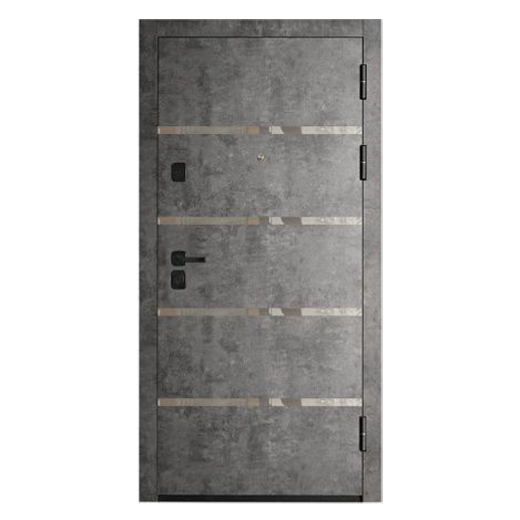
You’ll hear passionate arguments for steel’s strength, wood’s warmth, and fiberglass’s balance. But the truth? There is no single “best” material—only the best choice for your home, your climate, and your life.
Which Material Is Truly Best for Exterior Door
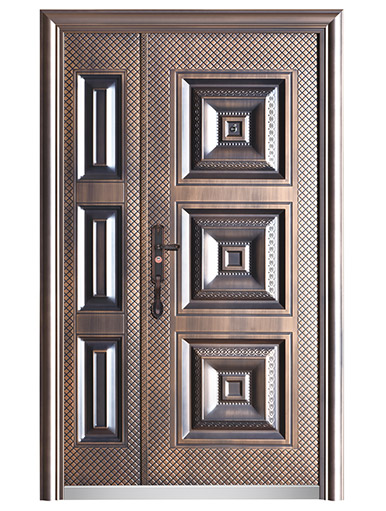
To call it a “metal door” is like calling a Stradivarius a “wooden instrument.” The term porta metallica italiana implies far more than material—it signals a philosophy of making rooted in saper fare (“knowing how to do”) and cura maniacale (“maniacal care”).
How Are Metal Italian Doors Really Made
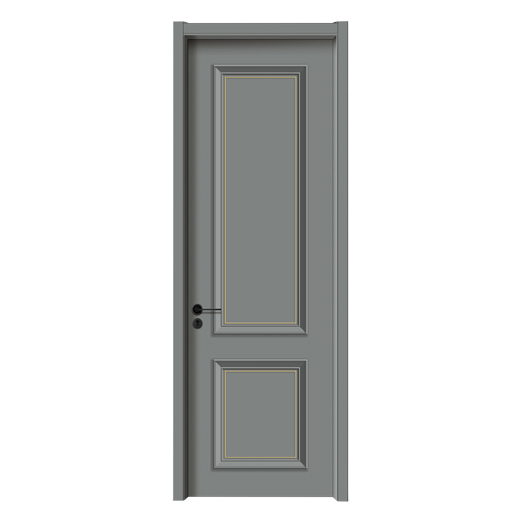
The top brands in the U.S. market today—Pella, JELD-WEN, Marvin, Simpson, and TruStile—have earned their reputation by mastering this balance.
US 2025 Trusted Wood Door Brands

When you need a gate that can handle the toughest conditions, galvanized steel is the material you can count on. This steel is coated with a layer of zinc, which helps prevent rust and corrosion, making it a top choice for outdoor and industrial security gates. It’s especially popular in applications where strength and durability are paramount.
Choosing the Right Material for Your Security Gate