
Choosing the Right WPC Door Supplier for Your Commercial Needs
author: CHEN
2025-07-23
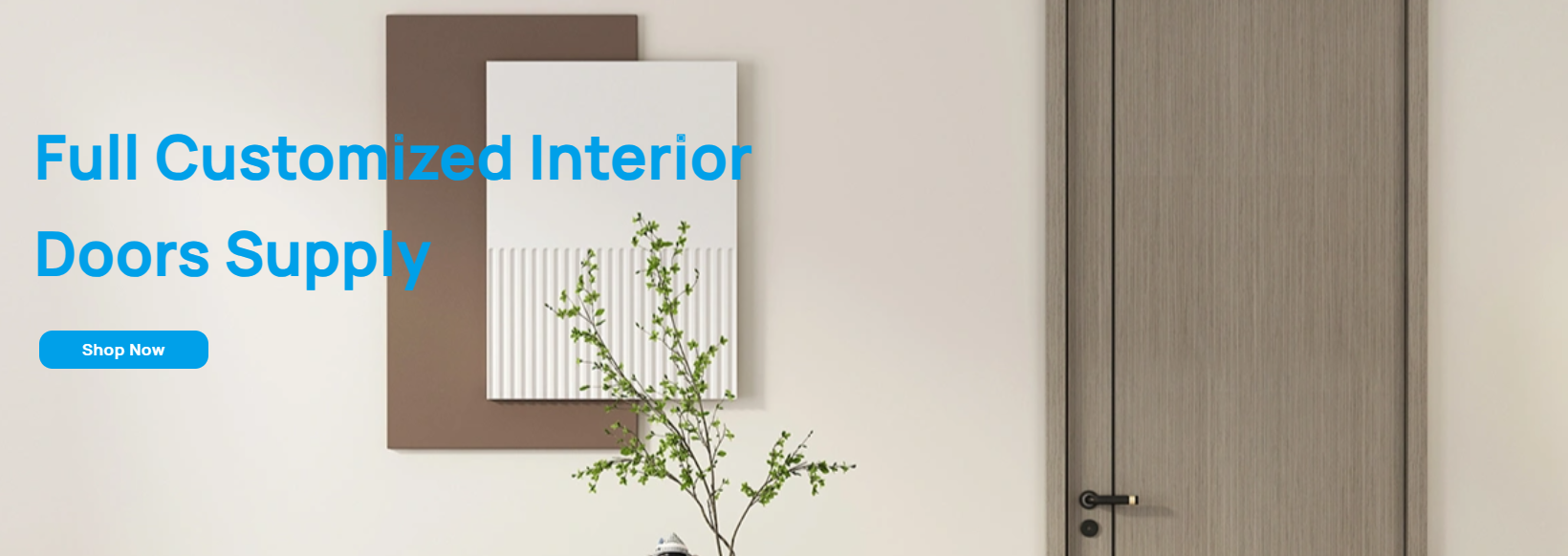
When it comes to outfitting a commercial space with doors that combine strength, style, and sustainability, WPC doors (Wood Plastic Composite doors) are quickly becoming the go-to solution. These doors are made from a unique blend of wood fibers and plastic, providing the best of both worlds: the classic look of wood with the durability of modern materials. In this article, well take a deep dive into what makes WPC doors such an attractive choice for businesses, from their construction and materials to their manufacturing process and testing.
What Exactly Makes WPC Doors So Special?
WPC doors are crafted with a careful combination of wood fibers and plastic, giving them exceptional strength and versatility. The structure typically involves a composite core made from recycled wood fibers mixed with PVC or other plastic materials. This fusion of materials creates a door thats not only sturdy and durable but also resistant to common issues such as warping, swelling, and termites problems often associated with traditional wooden doors.
One of the key benefits of WPC doors is their customizability. Whether you're aiming for a traditional wood appearance or something sleek and modern, WPC doors can be finished with a variety of surface treatments, including laminations, veneers, and custom paints. This makes them a great choice for commercial spaces looking for style flexibility without compromising on durability.
What Goes Into a WPC Door?
To fully appreciate the durability and functionality of WPC doors, its essential to understand their key components. Here's a closer look at what makes up a typical WPC door:
- Core Material: The heart of a WPC door is its composite core. This is a blend of wood fibers and PVC or other plastics. The wood fibers offer strength and stability, while the plastic provides moisture resistance, making the door incredibly versatile for both dry and humid environments.
- Reinforcements: In certain applications, WPC doors may include additional reinforcements, such as metal bars or steel frames, to further increase their structural integrity, especially in high-traffic areas or locations requiring extra security.
These components work together to create a product that is both lightweight and capable of withstanding the demands of commercial spaces.
Choosing the Right Materials: The Backbone of WPC Doors
The quality of a WPC door starts with its materials. The raw materials used in the production process play a crucial role in the door's overall performance. Heres a breakdown of what goes into selecting the right materials for WPC doors:- Wood Fibers: High-quality recycled wood fibers form the core of most WPC doors. These fibers are not only eco-friendly but also provide the necessary strength and durability. The fibers are processed to remove any impurities, ensuring a smooth and even texture.
- PVC Resins: The plastic used in WPC doors is usually PVC, which is known for its water resistance, low maintenance, and longevity. The quality of the PVC resin affects the door's resistance to environmental factors such as moisture, temperature fluctuations, and UV degradation.
- Additives: To enhance specific qualities of the door, manufacturers may add various additives, such as UV inhibitors to protect against sun damage or fire retardants for added safety in commercial buildings.
By carefully selecting the best raw materials, manufacturers can create WPC doors that stand up to even the most demanding commercial environments.
From Raw Materials to Final Product
The production of WPC doors follows a detailed process to ensure the highest quality and durability. Heres a step-by-step breakdown of how these doors are made:1. Compounding the Materials: The wood fibers, PVC resins, and any additives are mixed together to form a homogeneous blend. This step is crucial for ensuring that the door material has consistent strength and performance characteristics.
2. Molding or Extrusion: The compounded material is then either molded or extruded into the shape of the door. Extrusion involves pushing the material through a die to create the doors frame and panels, while molding may be used for more complex designs or features.
3. Surface Treatment: Once the door has been shaped, it undergoes surface treatment to give it its final finish. This could include laminating the door with a wood-like veneer, applying a durable coating, or adding any design elements that meet the aesthetic needs of the space.
4. Assembly: In the case of multi-layer doors, such as those with glass inserts or additional security features, the door components are assembled carefully to ensure a perfect fit.
5. Final Touches: Once the door is assembled, its given a final inspection to ensure it meets both quality and design specifications. It may undergo additional finishing treatments such as polishing or painting to give it a polished, commercial-ready appearance.
This comprehensive manufacturing process ensures that each WPC door delivers exceptional performance and aesthetic appeal, meeting the demands of the most rigorous commercial projects.
How Do Manufacturers Ensure Quality in WPC Doors?
Quality control is a critical part of WPC door production. To ensure the doors meet industry standards and provide long-lasting performance, manufacturers implement several layers of testing and control at every stage of production. Some key aspects of the quality assurance process include:- Moisture Resistance Testing: Since one of the main advantages of WPC doors is their resistance to moisture, manufacturers subject them to rigorous moisture exposure tests to ensure they maintain their shape and integrity even in high-humidity environments.
- Impact Resistance: WPC doors are often tested for impact resistance to ensure they can withstand knocks and scrapes, especially in high-traffic areas where doors are more likely to get damaged.
- Dimensional Accuracy: WPC doors must be precise in their measurements to ensure they fit properly within the door frame. Dimensional checks are performed regularly throughout the manufacturing process.
- Durability Testing: This includes tests for resistance to abrasion, scratches, and fading to ensure the doors will look good and function properly over the long term.
Through these quality control measures, manufacturers can guarantee that each WPC door is built to last and can perform reliably in commercial settings.
Why WPC Doors Are the Future of Commercial Spaces
WPC doors are rapidly becoming the top choice for a variety of commercial applications, and for good reason. Here are a few compelling reasons to consider them for your next project:- Eco-Friendly: Made from recycled wood fibers and PVC, WPC doors are an environmentally responsible choice, helping businesses reduce their carbon footprint.
- Moisture and Pest Resistance: Unlike traditional wood doors, WPC doors wont warp, rot, or attract pests, making them perfect for humid or high-traffic commercial spaces.
- Customization: With their ability to be customized in terms of design, color, and finish, WPC doors fit seamlessly into a wide range of architectural styles.
- Low Maintenance: WPC doors require minimal upkeep compared to wooden doors, saving businesses time and money on repairs and replacements.
In essence, WPC doors provide the perfect balance of aesthetics, durability, and eco-friendliness, making them an ideal solution for modern commercial buildings.
Top Commercial Applications for WPC Doors
From hotels to office buildings, WPC doors are versatile enough to meet the needs of various commercial environments. Some common applications include:- Hotels: WPC doors are popular in the hospitality industry because they combine aesthetic appeal with high durability, handling the heavy use common in hotel corridors and rooms.
- Offices: With their sleek look and resistance to wear and tear, WPC doors are perfect for office spaces, particularly in areas where maintenance is key.
- Hospitals and Schools: The moisture-resistant properties of WPC doors make them an excellent choice for medical and educational facilities, where hygiene and durability are a priority.
These diverse applications show just how versatile WPC doors can be for commercial spaces across industries.
The Benefits of Choosing WPC Doors for Your Next Project
In todays market, commercial projects demand solutions that are both sustainable and cost-effective without sacrificing quality. WPC doors provide a perfect solution by using recycled materials, offering low maintenance costs, and delivering long-lasting performance. Their superior durability and flexibility make them an ideal choice for anyone looking to create a commercial space that stands the test of time while also supporting sustainability goals.Choosing the Right WPC Door Supplier for Your Commercial Needs
Finally, selecting the right WPC doors supplier is crucial to ensuring that your doors meet the high standards of your commercial project. Here's what to look for when choosing a supplier:- Reputation: Choose a supplier with a proven track record of delivering high-quality doors.
- Customization Options: Make sure they can provide the customization you need for your specific project.
- After-Sales Support: A good supplier will offer excellent after-sales support, including warranty services, delivery, and installation assistance.
By partnering with the right supplier, you can ensure that your WPC doors will meet your projects unique requirements, both aesthetically and functionally.
WPC Doors The Perfect Solution for Your Commercial Needs
WPC doors offer the best of both worlds sustainability and durability making them an ideal choice for commercial projects. With their eco-friendly materials, resistance to moisture, and aesthetic flexibility, they are set to be the future of commercial door solutions. So, if youre looking for doors that combine performance with style, consider WPC doors for your next project.How Do Security Gates Work?
Why Enzyme-Based Drain Cleaners Are Essential for Commercial Toilets
Related Article

The vast majority of door noise comes from one simple issue: metal-on-metal friction. Over time, the lubricant that was applied at the factory wears off. Dust, dirt, and moisture get into the knuckles of the hinge—the cylindrical parts that pivot around the pin—and create a grinding, squeaking sound as the door moves.
What Actually Causing My Door to Make Noise

Sometimes, the issue is as simple as loose screws; other times, it’s years of wear, humidity-induced warping, or poor installation. But nearly every noisy door can be tamed—with patience and the right approach.
Why Do Doors Make Noise in the First Place

Think of the coating as your door’s immune system. It’s the first and only line of defense against moisture, UV radiation, temperature swings, and physical abrasion. If it’s weak, thin, or poorly bonded, the underlying steel is exposed—and once rust begins, it spreads beneath the surface, often unnoticed until it’s too late.
Why Does the Coating on a Metal Door Matter So Much
