
WPC Door From Raw Materials to Final Product
author: CHEN
2025-05-12
The process of making a WPC (Wood Plastic Composite) door is a fascinating journey that combines advanced manufacturing techniques with high-quality materials. From sourcing the raw components to the final inspection, every step is carefully designed to create a door that’s not only visually appealing but also durable, sustainable, and high-performance.
Here’s a detailed look at each stage in the creation of a WPC door:
1. Sourcing and Preparing the Raw Materials
The first step in creating a WPC door is sourcing the raw materials that form the heart of the composite. The primary components include:
- Wood Fibers: These are typically sourced from recycled wood, sawdust, or other sustainable wood products. The wood fibers provide strength, texture, and a natural aesthetic to the door.
- Plastic (PVC): Polyvinyl chloride (PVC) or other plastic materials are used to bind the wood fibers and enhance the door's moisture resistance, durability, and overall functionality.
- Additives: Various additives are mixed in to improve the material's properties. These might include UV inhibitors (to protect the door from sun damage), fire retardants, and stabilizers that ensure the door remains robust over time.
The quality and sustainability of the raw materials play a crucial role in the final performance of the WPC door, ensuring it meets the high standards expected in commercial spaces.
2. Blending Compounding the Materials
Once the raw materials are gathered, the next step is to compound them together. This is done in a high-tech machine that thoroughly blends the wood fibers, PVC, and additives. The goal is to create a homogeneous compound with the perfect balance of strength, flexibility, and moisture resistance.
During compounding, the materials are heated to a specific temperature to ensure the wood fibers and PVC bond well. The precise blending is key to creating a material that will have consistent performance across all doors produced.
3. Molding or Extrusion Shaping the Door
The next phase is shaping the blended materials into the desired door form. There are two common techniques used for this:
- Extrusion: The compound is pushed through a mold under high pressure. This process creates long, continuous sections of the WPC material that are then cut into door panels. Extrusion is ideal for creating uniform shapes and is often used for doors with simple designs.
- Molding: In some cases, particularly for doors with more intricate designs, injection molding or compression molding is used. These methods involve placing the material into a mold that shapes it into the final door form. Molding allows for more flexibility in design, creating doors with detailed patterns, contours, or textured finishes.
Both methods ensure that the door retains its strength and integrity while allowing for customization.
4. Surface Treatment Adding the Finishing Touch
Once the WPC door is shaped, it’s time to focus on the surface. The surface treatment process is essential to enhance both the appearance and durability of the door. This step includes:
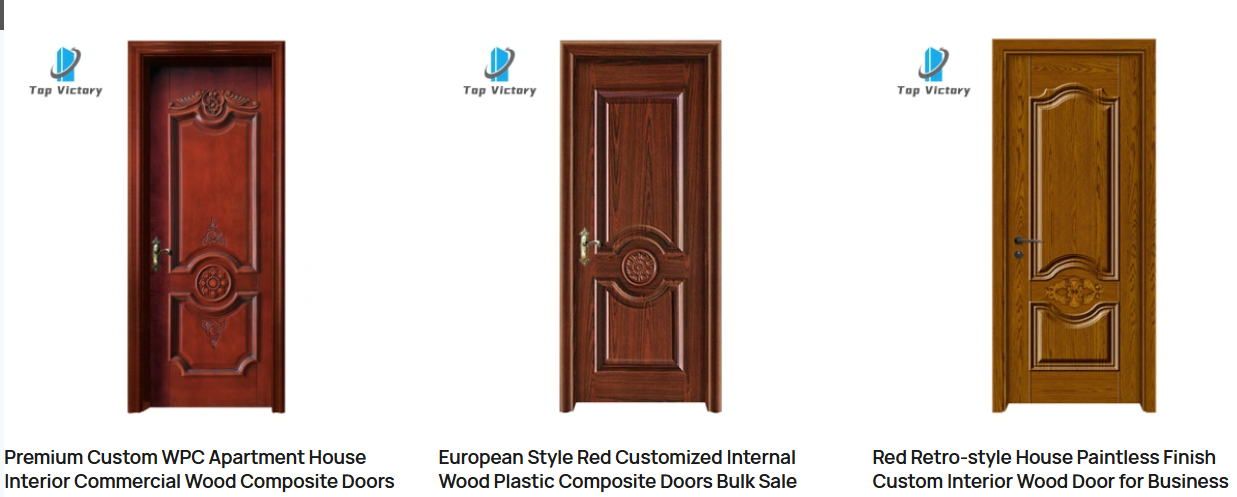
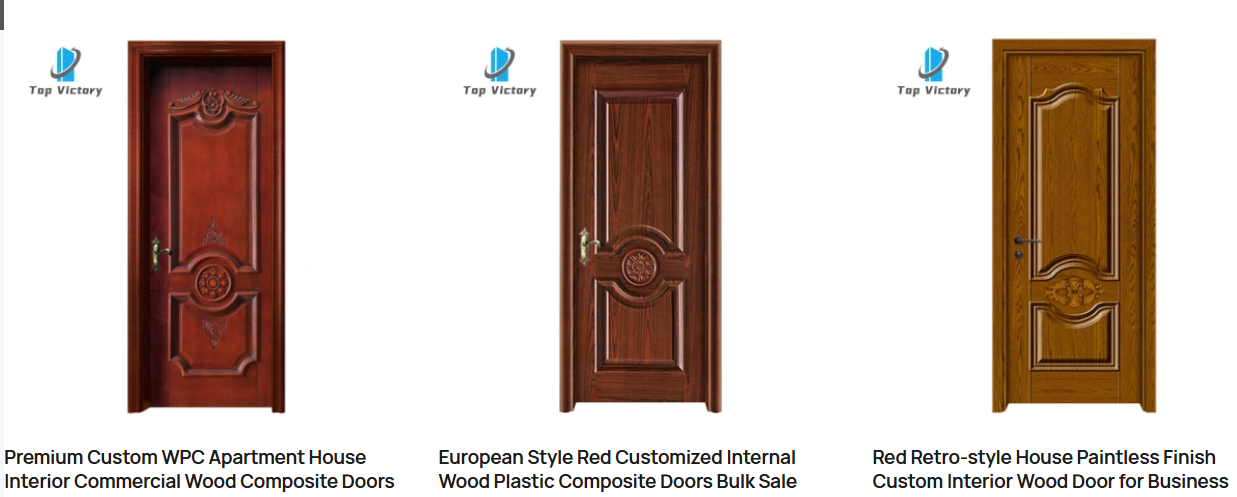
- Lamination: To give the door a natural wood-like appearance, a laminate layer is applied. This can be a real wood veneer or a high-quality laminate designed to mimic wood or other materials.
- Painting or Coating: WPC doors can be painted or coated with a layer of polyester, melamine, or other protective finishes. This adds a sleek, modern look and protects the door from scratches, UV damage, and environmental wear.
- Texturing: For aesthetic appeal, WPC doors can be textured to resemble wood grain or other patterns, giving them a high-end finish while maintaining the durability of the composite material.
The surface treatment not only makes the door visually attractive but also contributes to its long-lasting performance in demanding environments.
5. Reinforcing the Structure Strengthening for Performance
Some WPC doors, particularly those used in high-traffic commercial areas, may require additional reinforcements to enhance their structural strength and security. This reinforcement can include:
- Metal Frames: For extra durability and to maintain the door’s shape over time, a metal frame or steel reinforcements may be added.
- Hinges and Hardware: Inserting hinges, locks, and other hardware components into the door is a critical step. These elements must be carefully integrated into the door during production to ensure they fit seamlessly and function correctly.
Reinforcing the door ensures that it performs well in both security and structural integrity, especially for heavy-duty applications.
6. Assembly and Finishing Putting the Pieces Together
Once all the components have been processed and treated, it’s time for assembly. This involves attaching any hardware (locks, handles, etc.) to the door and ensuring everything fits correctly. For doors with additional features, such as glass inserts or ventilated panels, this step ensures that each part is perfectly aligned and securely installed.
After assembly, the doors undergo a final finish inspection, where they’re checked for dimensional accuracy and overall quality. This step is crucial for ensuring that the door fits well within a commercial space and meets all functional requirements.
7. Rigorous Testing for Durability and Performance
Before the WPC door is approved for shipment, it undergoes a series of quality control tests. These tests are designed to ensure that the door can withstand the wear and tear of commercial use. The types of tests typically performed include:
- Impact Resistance: Testing the door's ability to handle impacts without cracking or warping.
- Moisture Resistance: Ensuring that the door can handle humidity or direct water exposure without swelling or breaking down.
- Dimensional Accuracy: Double-checking the door’s measurements to ensure it will fit properly in the intended frame.
- Fire Resistance: For commercial spaces, fire resistance is critical, and WPC doors may be tested to meet fire safety standards.
Only doors that pass all these rigorous tests are approved for shipment.
8. Packaging and Shipment
Once the WPC doors have passed all tests and inspections, they are carefully packaged to ensure they arrive at their destination without damage. Packaging typically includes protective wrapping to prevent scratches, dents, or other damage during transit.
After packaging, the doors are ready for shipment. Depending on the size of the order and the destination, they can be shipped in bulk or individually, ensuring that businesses get the right quantity of doors for their commercial needs.
The journey of a WPC door from raw materials to finished product is a multi-step process that blends advanced technology with high-quality materials. Each stage of production is carefully monitored to ensure that the final door meets the highest standards of strength, durability, and aesthetics. By choosing WPC doors, businesses get a product that not only looks great but can stand up to the demands of high-traffic commercial environments, all while offering sustainability benefits.
Why Aluminum Gates Are a Smart Choice for Lightweight Strength
What Materials Make the Best Security Gates?
Related Article

The vast majority of door noise comes from one simple issue: metal-on-metal friction. Over time, the lubricant that was applied at the factory wears off. Dust, dirt, and moisture get into the knuckles of the hinge—the cylindrical parts that pivot around the pin—and create a grinding, squeaking sound as the door moves.
What Actually Causing My Door to Make Noise

Sometimes, the issue is as simple as loose screws; other times, it’s years of wear, humidity-induced warping, or poor installation. But nearly every noisy door can be tamed—with patience and the right approach.
Why Do Doors Make Noise in the First Place

Think of the coating as your door’s immune system. It’s the first and only line of defense against moisture, UV radiation, temperature swings, and physical abrasion. If it’s weak, thin, or poorly bonded, the underlying steel is exposed—and once rust begins, it spreads beneath the surface, often unnoticed until it’s too late.
Why Does the Coating on a Metal Door Matter So Much
