
Why Are Bullet Resistant Doors Bulletproof?
author: CHEN
2025-01-23
What Are Bullet Resistant Doors?
Bullet-resistant doors are specialized security doors designed to withstand ballistic impacts from firearms. They are not entirely "bulletproof," as no material can guarantee full resistance to all types of projectiles under every circumstance. However, these doors significantly delay penetration, providing extra time to secure people and assets during an attack.
These doors are built using advanced materials and engineering techniques to absorb and disperse the energy of bullets, preventing penetration and maintaining structural integrity.
Made from high-strength materials like steel, fiberglass, or ballistic-rated glass, bullet-resistant doors come with different levels of protection, graded according to Underwriters Laboratories (UL) standards. UL ratings, ranging from Level 1 to Level 10, define the door’s capability to resist specific calibers and velocities of bullets.
Why Are Bulletproof Doors Bulletproof?
The unique bullet-resistant properties of these doors stem from the combination of high-quality materials and advanced construction methods. Below are the key reasons why bulletproof doors can stop bullets:
1. Multi-Layered Design
Bulletproof doors often feature a multi-layer construction that combines several materials, including:
- Ballistic Steel: Provides a strong, dense barrier capable of stopping bullets from handguns and rifles.
- Fiberglass Laminate: Absorbs and dissipates energy, reducing the force of impact.
- Kevlar: Lightweight yet incredibly strong, this material stops smaller caliber bullets effectively.
2. Reinforced Frames and Hinges
A bulletproof door is only as strong as its frame and hinges. Reinforced steel or aluminum frames and heavy-duty hinges ensure the door remains secure even under impact.
3. Testing and Certification
Bulletproof doors are rigorously tested to meet industry standards such as UL 752 or NIJ 0108.01. These certifications indicate the door's ability to resist specific firearm calibers.
What Is the Difference Between a Bulletproof Door and an Ordinary Door?
Bulletproof doors and ordinary doors may look similar, but their functionality and construction are worlds apart. Below is a comparison to highlight their differences:
|
Feature
|
Bulletproof Door
|
Ordinary Door
|
|
Materials Used
|
Ballistic steel, fiberglass, Kevlar
|
Wood, hollow metal, or basic steel
|
|
Resistance to Bullets
|
Designed to stop bullets and absorb energy
|
No resistance to ballistic impacts
|
|
Weight
|
Heavier due to reinforced materials
|
Lightweight
|
|
Frames and Hinges
|
Reinforced for added durability
|
Standard frames and hinges
|
|
Applications
|
Security-sensitive environments
|
General use in homes or offices
|
The key takeaway is that while ordinary doors provide basic functionality, bulletproof doors are engineered for safety and protection against specific threats.
Top Applications of Bullet Resistant Doors
Bullet-resistant doors are versatile and used across various industries, including:
- Banks and Financial Institutions: Protect tellers, vaults, and secure rooms from potential robberies.
- Government Offices: Ensure the safety of employees handling sensitive or classified information.
- Retail Stores: Safeguard high-value inventory like jewelry, electronics, or cash.
- Schools and Universities: Create secure entry points to protect students and staff during emergencies.
- Corporate Offices: Provide security for executive areas and data centers.
Why Do Commercial Spaces Need Bullet Resistant Doors?
Commercial properties are increasingly at risk of theft, armed robbery, or other violent attacks. Installing bullet-resistant doors can mitigate these threats and provide:
- Protection for employees and customers: Keeps individuals safe in critical situations.
- Safeguarding sensitive information: Prevents unauthorized access to confidential areas.
- Enhanced property security: Adds a robust layer of protection against forced entry.
- Peace of mind: Demonstrates a commitment to safety and security, which builds trust among employees and clients.
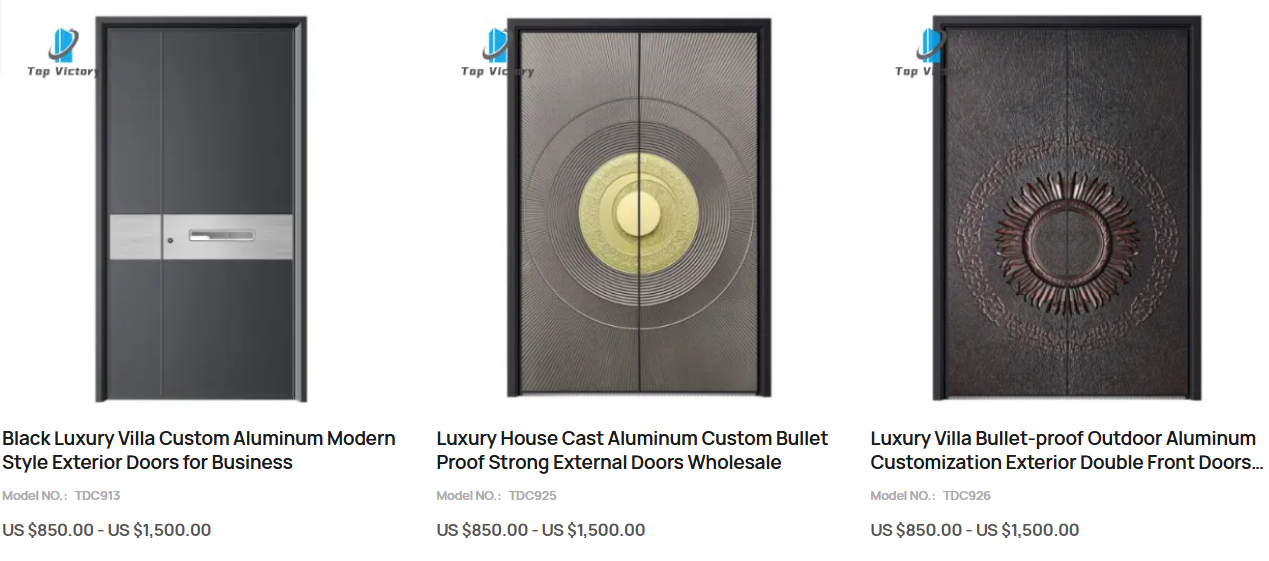
Key Features of Bullet Resistant Doors
When selecting a bullet-resistant door, here are some key features to consider:
- Ballistic Resistance Levels: Ensure the door meets the required UL level based on your security needs (e.g., Level 1 for small firearms, Level 8 for high-powered rifles).
- Durable Materials: Options include steel, aluminum, fiberglass, or laminated ballistic glass.
- Customizable Design: Many manufacturers offer customizable finishes and styles to match your commercial space’s aesthetic.
- Fire and Soundproofing: Some models offer additional fire resistance or soundproofing capabilities.
Types of Bullet Resistant Doors
Bullet-resistant doors are available in different types to suit varying needs. Below is an overview of popular types and their uses:
|
Type
|
Description
|
Best Applications
|
|
Aluminum Framed Glass
|
Combines visibility with ballistic protection, often used in front-facing areas.
|
Retail stores, banks, reception areas
|
|
Solid Core Wood
|
Offers a balance of security and aesthetics; customizable finishes are available.
|
Offices, executive rooms, conference areas
|
|
Steel Doors
|
High-strength and durable, designed for maximum protection.
|
Back offices, storage areas, and high-risk environments
|
|
Fiberglass Doors
|
Lightweight yet strong, with excellent ballistic resistance.
|
Educational facilities, healthcare centers, and offices
|
|
Sliding Doors
|
Space-saving design, commonly used in areas requiring restricted access.
|
Airports, control rooms, and data centers
|
How to Choose the Right Bullet Resistant Door for Your Business
Follow these steps to ensure you select the best bullet-resistant door for your commercial property:
1. Identify the threat level your business faces (e.g., firearms, vandalism, forced entry).
2. Choose a door with a ballistic resistance level that meets your risk assessment.
3. Decide whether the door will be installed at the main entrance, reception, or secure backroom.
4. Select a door that complements your space’s design while providing security.
5. Factor in the cost of materials, installation, and maintenance.
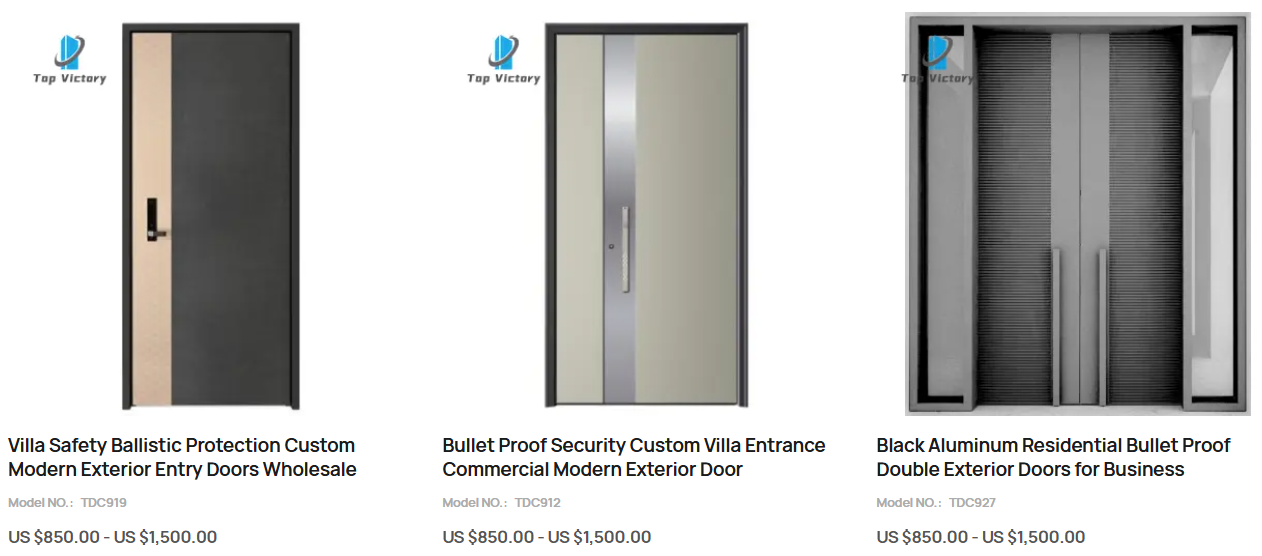
Key Materials and Construction of Bullet Resistant Doors
Bullet-resistant doors are carefully designed using advanced materials and construction techniques to provide reliable protection against ballistic threats. These doors are engineered to withstand specific levels of force and are typically rated by standards such as UL 752, ASTM F1233, or NIJ 0108.01. Below is a detailed breakdown of the materials and construction methods used in bullet-resistant doors:
Materials Used in Bullet Resistant Doors
a. Ballistic Steel
- Description: Heavy-duty steel alloys are a common material for bullet-resistant doors due to their high tensile strength and ability to absorb impact.
- Application: The steel is often layered to create a dense, impenetrable barrier that can stop bullets from handguns, rifles, or even armor-piercing rounds (depending on the thickness and door rating).
- Pros: Extremely durable and provides high-level ballistic resistance.
- Cons: Heavyweight, requiring reinforced frames and hinges.
b. Fiberglass Laminate
- Description: Layers of woven fiberglass are pressed together with resin to create a lightweight yet strong composite material.
- Application: Fiberglass is often used in conjunction with other materials to enhance bullet resistance while keeping the door lighter.
- Pros: Lightweight, corrosion-resistant, and effective against small to medium-caliber firearms.
- Cons: May not withstand repeated impacts from high-velocity rounds.
c. Ballistic Glass (for Doors with Vision Panels)
- Description: Multi-layered polycarbonate or laminated glass is used to create transparent sections of bullet-resistant doors.
- Application: Typically installed in observation areas or doors requiring visibility, such as in government buildings, retail stores, or banks.
- Pros: Allows visibility while maintaining protection.
- Cons: Less resistant than opaque materials and requires proper framing.
d. Kevlar and Aramid Fibers
- Description: Aramid fibers like Kevlar are woven into sheets and layered within the door to absorb and disperse the energy of a bullet.
- Application: Used in lightweight doors or as reinforcement in combination with steel or aluminum.
- Pros: Lightweight and extremely strong; excellent for smaller caliber threats.
- Cons: Not as effective against high-powered rifles.
e. Aluminum Alloys
- Description: Aluminum is often used in lightweight bullet-resistant doors for areas where minimal weight is critical.
- Application: Suitable for low-threat levels and applications where the weight of steel would be prohibitive.
- Pros: Lightweight and corrosion-resistant.
- Cons: Limited ballistic resistance compared to steel.
Construction Techniques for Bullet Resistant Doors
a. Layering of Materials - Bullet-resistant doors often incorporate a multi-layered construction, combining steel, fiberglass, Kevlar, and ballistic glass to provide protection against a variety of threats. The layers are designed to absorb and dissipate energy progressively, stopping the bullet before it penetrates.
b. Reinforced Frames and Hinges - The effectiveness of a bullet-resistant door also depends on the door frame and hinge assembly. Reinforced steel frames and heavy-duty hinges are used to ensure the door stays in place during impact.
c. Seamless Welding and Bonding - Seamless welding is employed to ensure there are no weak points in the construction. Bonding techniques are used to firmly adhere materials like fiberglass or Kevlar to steel or aluminum layers.
d. Vision Panel Integration - Bullet-resistant doors with glass vision panels use ballistic glass with reinforced framing to ensure the entire door maintains its level of protection. These panels are carefully sealed to prevent bullets from penetrating around the edges.
e. Protective Finishes - Bullet-resistant doors are finished with corrosion-resistant coatings such as powder coating or galvanization to enhance durability and longevity.
Levels of Protection Based on Materials
|
UL Level
|
Threat Level
|
Materials Used
|
Typical Applications
|
|
Level 1
|
Handguns (.22 LR, 9mm)
|
Fiberglass laminate, Kevlar
|
Retail stores, offices, and reception areas
|
|
Level 3
|
High-powered handguns (.44 Magnum)
|
Steel, fiberglass, ballistic glass
|
Government buildings, banks, law enforcement offices
|
|
Level 8
|
Assault rifles (.308 Winchester)
|
Multi-layer steel, Kevlar
|
Embassies, military installations, high-security zones
|
|
Level 10
|
Armor-piercing rounds
|
Hardened steel, ballistic glass
|
High-value assets protection and VIP areas
|
Where to Buy Bullet Resistant Doors
When purchasing bullet-resistant doors, it’s crucial to choose a reputable manufacturer or distributor. Here are some top providers:
1. Total Security Solutions
[www.tssbulletproof.com]
Customizable ballistic doors with UL-rated protection for various industries.
2. Armortex
[www.armortex.com]
Offers fiberglass-based bullet-resistant doors with a range of UL ratings.
3. Insulgard Security Products
[www.insulgard.com]
Known for durable, fire-rated, and ballistic doors for schools and offices.
4. ASSA ABLOY
[www.assaabloy.com]
Provides high-security solutions, including bullet-resistant doors for commercial spaces.
How to Judge the Quality of a Bulletproof Door When Buying It
When shopping for a bulletproof door, it’s essential to evaluate its quality to ensure it meets your security requirements. Here are the key factors to consider:
1. Certification and Ballistic Rating
- Look for doors certified by recognized standards such as UL 752 or NIJ 0108.01.
- Verify the door's ballistic rating, which specifies the type and caliber of bullets it can withstand.
2. Material Composition
- High-quality bulletproof doors typically use a combination of ballistic steel, fiberglass, and Kevlar.
- Avoid doors that rely solely on one material, as multi-layered designs offer better protection.
3. Durability and Construction
- Check for seamless welding and sturdy bonding of materials.
- Inspect the frame and hinges to ensure they are reinforced and can support the weight of the door.
4. Vision Panels and Glass Quality
- If the door includes a vision panel, confirm that the glass is ballistic-rated and properly sealed.
- Look for multi-layer laminated glass or polycarbonate to maintain visibility without compromising safety.
5. Manufacturer Reputation
- Choose a door from a trusted manufacturer with a proven track record in security solutions.
- Look for reviews, case studies, or certifications that demonstrate the company’s expertise.
6. Customization Options
- High-quality bulletproof doors should be customizable to meet specific requirements, such as size, finish, or level of ballistic protection.
7. Price vs. Quality
- While affordability is a consideration, prioritize quality and performance over cost. A poorly made door may fail in critical situations, putting lives at risk.
Super strong bullet proof door is mainly the last guarding line of the exterior protection. Selecting the best bullet proof door is the urgent need for everyone. In the past 15 years, Top Victory has long invested in protection of bullet proof doors on all levels including duty hinge and armored front and back panels. Now we have owned one special production line for manufacturing. Top Victory supplies superior bullet proof doors with unbreakable aluminum and steel cast panel. We now sell over 12 kinds of aluminum bullet proof exterior doors.
Choosing the Right Adjustable Hinges for Your Exterior Door
Interior Doors Vs. Exterior Doors How to Choose the Right Door for Your Home
Related Article

The vast majority of door noise comes from one simple issue: metal-on-metal friction. Over time, the lubricant that was applied at the factory wears off. Dust, dirt, and moisture get into the knuckles of the hinge—the cylindrical parts that pivot around the pin—and create a grinding, squeaking sound as the door moves.
What Actually Causing My Door to Make Noise

Sometimes, the issue is as simple as loose screws; other times, it’s years of wear, humidity-induced warping, or poor installation. But nearly every noisy door can be tamed—with patience and the right approach.
Why Do Doors Make Noise in the First Place

Think of the coating as your door’s immune system. It’s the first and only line of defense against moisture, UV radiation, temperature swings, and physical abrasion. If it’s weak, thin, or poorly bonded, the underlying steel is exposed—and once rust begins, it spreads beneath the surface, often unnoticed until it’s too late.
Why Does the Coating on a Metal Door Matter So Much
