
What is the best material for a front door?
Introduction:
Thank you for clicking on this article. Perhaps you are in search of a front door for your new house or considering replacing your existing front door, and you find yourself overwhelmed by the various materials available in the market. This article aims to provide you with some informative insights to help you make a better decision. Remember, there is no "best" material, only the most suitable material for your specific needs. It is important to choose based on your household situation and lifestyle.
Factors to Consider When Choosing a Front Door Material
Protection and Security:
The front door serves as the first line of defense for a house and must provide reliable security. While it doesn't need to be indestructible, it should deter potential intruders by making it time-consuming or noisy to breach. The higher the cost or effort required to break through, the more likely it is to attract attention or prompt burglars to choose an easier target.
Durability and Price
A front door is exposed to constant use and various weather conditions, so selecting a durable material ensures its longevity and appearance. However, it's essential to consider price alongside durability. For instance, two doors priced at $1000 that last 10 years each are comparable to one door priced at $2000 that lasts 20 years, assuming no inflation. Therefore, don't let durability excessively constrain your budget; you can allocate those resources elsewhere!
Appearance and Style:
The front door is a significant component of a house's exterior appearance. Choosing a material that matches the overall style and design enhances visual coherence and provides a sense of happiness when you come home every day (plus, it can be a great conversation starter with friends!).
Wind proofing:
When selecting a front door material, it's crucial to consider its ability to withstand strong winds. Look for materials that are sturdy and well-sealed to prevent drafts and minimize the risk of damage during storms. Reinforced frames, weatherstripping, and proper installation techniques can contribute to the door's wind-resistant properties.
Waterproofing:
A front door should have excellent waterproofing capabilities to protect your home from rain, snow, and moisture. Materials such as fiberglass, steel, or composite doors with waterproof coatings or seals can effectively prevent water infiltration. Proper sealing around the edges and the use of weather-resistant finishes also play a vital role in ensuring the door's longevity and preventing water damage.
Sand resistance and Sealing
If you live in a sandy or dusty environment, sand proofing becomes an important consideration. Choosing a material that is resistant to scratching or abrasion can help maintain the door's appearance over time. Smooth surfaces and finishes that repel dust and sand particles make cleaning and maintenance easier, ensuring that your front door remains attractive and functional.
Fire Resistance:
Fire safety is a critical aspect when choosing a front door material. Opting for materials with good fire resistance properties, such as metal doors or those with fire-rated cores, can provide an added layer of protection in case of a fire. These doors are designed to slow down the spread of flames and smoke, allowing occupants more time to escape and minimizing property damage.
Insulation:
An insulated front door plays a significant role in energy efficiency and home comfort. Materials with good insulation properties, such as fiberglass or solid wood doors, can help regulate indoor temperature, reduce heat transfer, and lower energy consumption. Insulated doors can also contribute to noise reduction, providing a quieter and more peaceful living environment.
By considering these factors, you can make an informed decision when choosing the best material for your front door, ensuring that it meets your needs in terms of protection, durability, appearance, and functional features.
Several Common Materials and Their Suitable Applications
Stainless Steel
Pros:
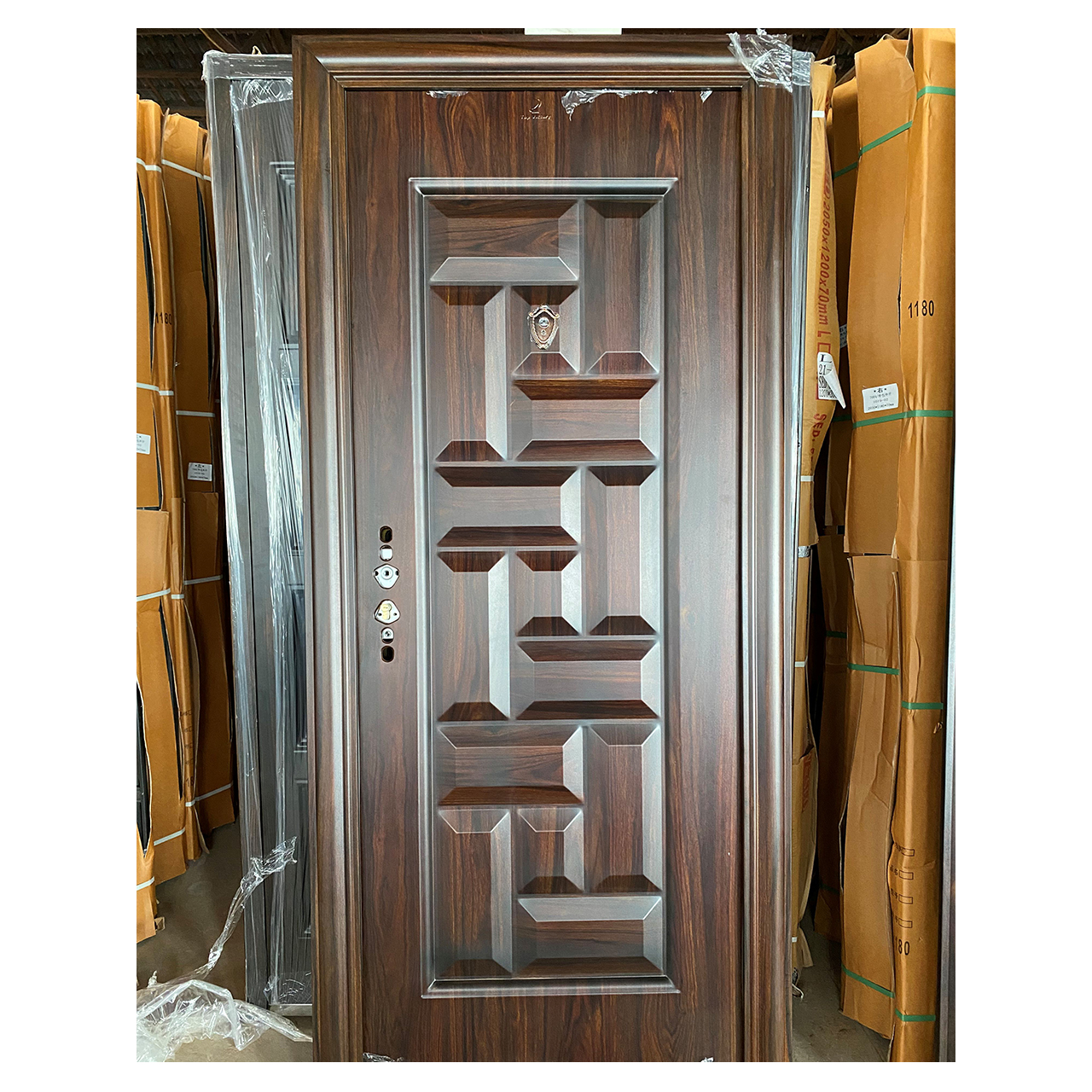
Stainless steel is a traditional material for front doors, which is bulletproof, fire-resistant, and anti-pry properties and lasts for generations (maybe a family heirloom). Also, it is reasonably priced.
Cons:
Heavy, unattractive, and lacking uniqueness. You will never talk to your friends “Hey, I buy a new stainless-steel door!”
Recommended product: TVDS507/TVDS516【加产品描述】
【插图01】
Cast Aluminum
Pros:
Cast aluminum is lighter than stainless steel and can create a three-dimensional relief effect while maintaining security. Never dust and fade.
Cons:
More expensive than stainless steel, and it’s high thermal conductivity, which can result in increased energy costs for cooling and heating, but there are also ways to mitigate this factor.
Recommended product: TDC905
Zinc Alloy
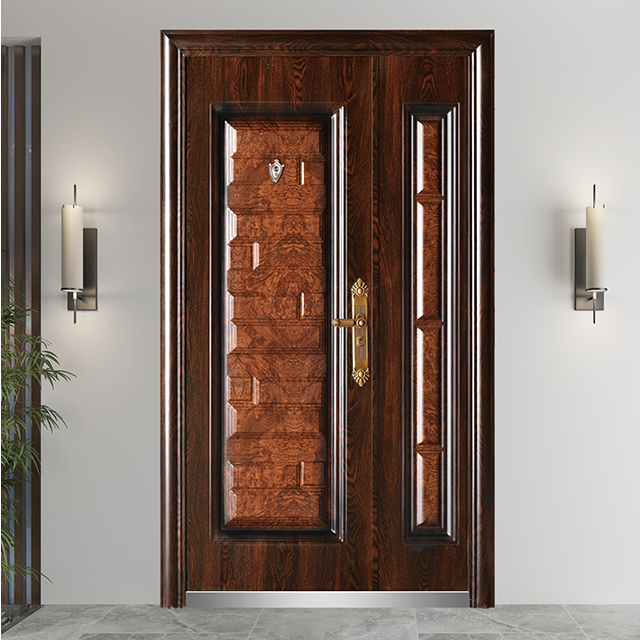
Pros: Zinc alloy has higher strength compared to aluminum, allowing for thinner profiles at the same level of protection, resulting in lower costs. It can also be used to create simple three-dimensional effects. When zinc alloy is used as the main material for the door surface, it leaves more cavities that can be filled with different materials to achieve additional functionalities such as sound insulation and thermal insulation. Zinc alloy can be die-cast into complex shapes, making it an excellent choice for door locks, hinges, and external decorations.
Cons: Zinc alloy has lower strength compared to stainless steel, and it can deform significantly when subjected to strong impacts, such as car collisions.
Recommended product: TVDG004
Solid Copper
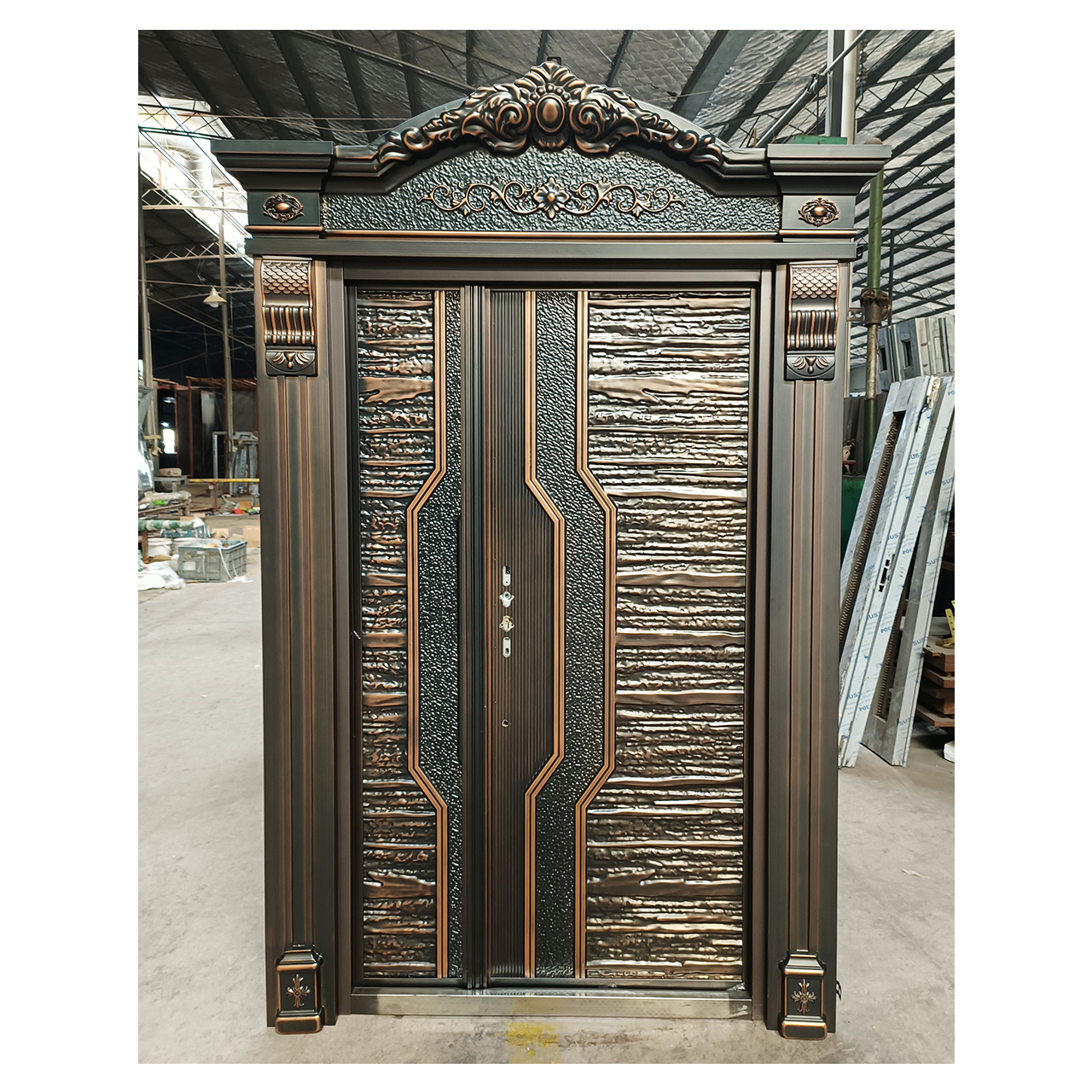
Pros: Solid copper is known for its luxurious and eye-catching appearance. It can be crafted into intricate and extravagant styles, adding a touch of opulence to your front door. Copper is also a highly durable material that can withstand various weather conditions, making it suitable for exterior applications. Additionally, copper has natural antimicrobial properties, which can help inhibit the growth of bacteria and promote a cleaner environment.
Cons: The main drawback of solid copper is its high cost. Copper is one of the most expensive materials used for front doors. Furthermore, copper is relatively soft compared to other metals, which can make it more prone to dents and scratches. It is also a poor insulator, meaning it offers limited thermal resistance and may not provide efficient energy efficiency.
Due to its lower security compared to other materials, it is recommended that you choose solid copper doors only in areas with good public safety.
Recommended product: WDC609
Glass
Pros: Provides natural light and is aesthetically pleasing.
Cons: Offers no protection, recommended to have small openings or side openings. Prone to dirt and requires frequent cleaning.
Recommended product: TVDB333
Solid Wood
Pros: Beautiful, luxurious, environmentally friendly, natural, elegant
Cons: Very expensive if you choose some good wood. Not fire-resistant, least resistant to corrosion, not recommended for direct exposure to harsh weather conditions.
Recommended product: TVDS408
Bamboo Charcoal Density Board
Pros: Lightweight, waterproof, moisture-resistant, stylish surface (distinct from other materials), very affordable.
Cons: Lower strength, not fire-resistant.
Recommended product: TVDS802
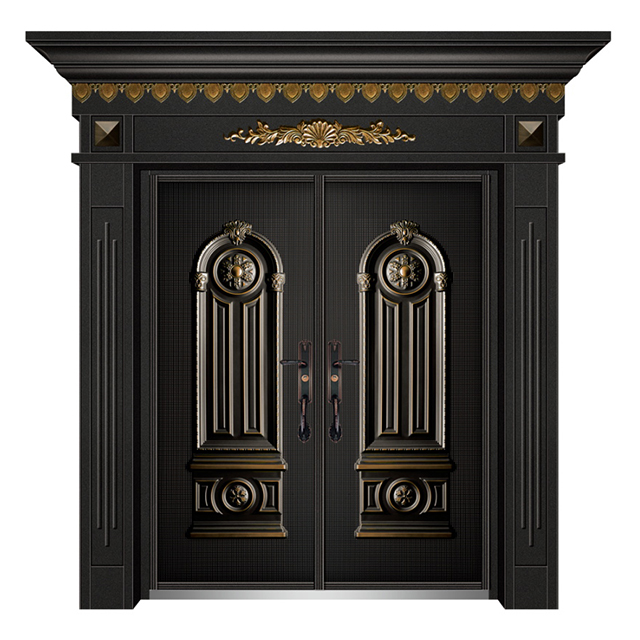
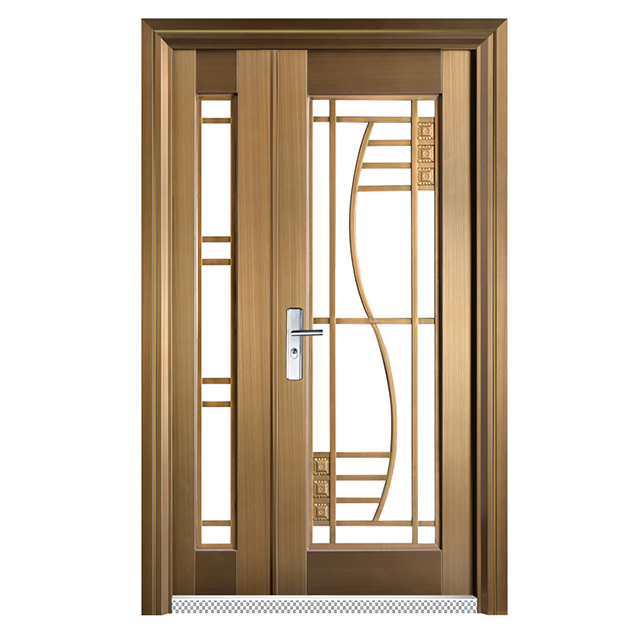
2 Types of Luxury Exterior Doors: There is always one that suits you.
black front doors ideals in 2023
Related Article



