
Toilet Installation & Maintenance Tips for Commercial Properties
When you think of what keeps your building running smoothly, toilets may not be the first thing that comes to mind—but they should be. In commercial settings like office buildings, hotels, shopping centers, or healthcare facilities, toilets are critical infrastructure.
Poor installation or lack of maintenance can lead to clogs, leaks, customer complaints, and costly emergency repairs. On the other hand, a well-installed, regularly maintained toilet system quietly does its job—saving your business time, water, and money.
This guide offers practical, commercial-grade toilet installation and maintenance tips to help you avoid common pitfalls and ensure long-term performance across your facilities.
Why Toilet Installation and Maintenance Matter in Commercial Spaces
Commercial restrooms deal with more frequent usage, higher flushing demands, and less predictable user behavior. A small leak or weak flush that might be tolerable in a home can quickly become a major issue in a public or high-traffic space.
Improper installation can:
- Lead to hidden leaks or structural damage
- Void warranties
- Result in ADA non-compliance
- Create poor user experiences
Routine maintenance, meanwhile, helps:
- Prevent major plumbing issues
- Extend the life of your fixtures
- Lower water bills
- Keep restrooms clean and odor-free
Key Considerations for Commercial Restrooms
Not all toilets are created equal—especially when you're outfitting a commercial space. Here’s what to think through before selecting and installing your units:
1. Choose the Right Type of Toilet
- Pressure-Assisted Toilets: Ideal for high-traffic restrooms (e.g., schools, airports) where powerful flushes are needed.
- Wall-Hung Toilets: Save space and ease floor cleaning; great for modern offices and hotels.
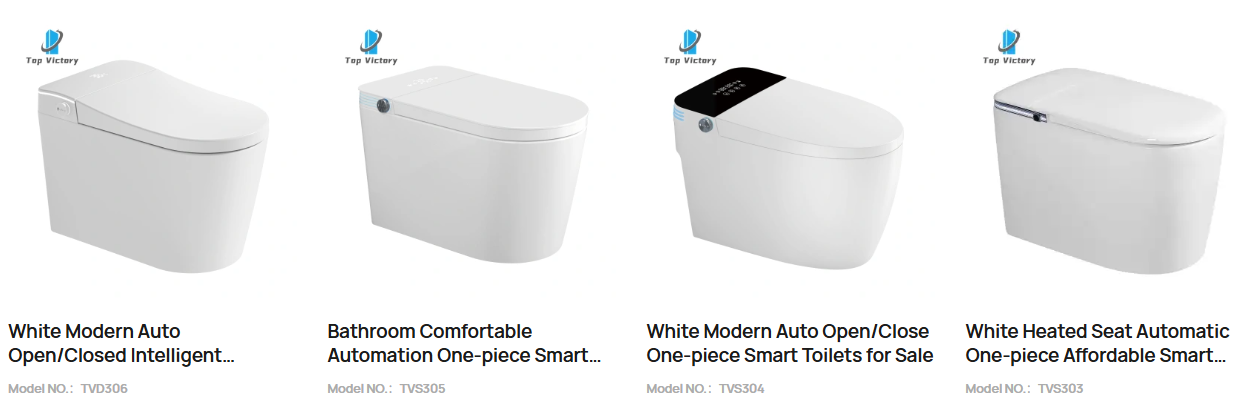
- Smart Toilets: Suitable for luxury settings; offer touchless operation and high-tech hygiene features.
2. Ensure ADA Compliance
- ADA-compliant toilets have a height of 17"–19" from floor to seat.
- Make sure to maintain appropriate clearance for grab bars and wheelchair access.
3. Consider Water Efficiency
Look for WaterSense-certified toilets, which use 1.28 gallons per flush (GPF) or less. Over time, these models can save thousands of gallons annually, especially in high-use buildings.
4. Account for Plumbing Configuration
Know whether your plumbing supports floor-mounted or wall-mounted units and match outlet sizes accordingly.
Toilet Installation Tips for Contractors and Maintenance Teams
Installing a toilet in a commercial setting requires precision, foresight, and strict adherence to plumbing codes.
Use a High-Quality Wax Ring or Seal
This prevents leaks at the base—especially important in buildings with concrete subfloors or shifting structures.
Level the Floor First
Ensure your surface is even. An uneven toilet leads to rocking, leaks, and cracked porcelain over time.
Secure Anchoring for Wall-Hung Toilets
Use in-wall carriers rated for commercial use (e.g., Geberit or Zurn systems) to ensure long-term stability.
Calibrate Sensor Systems
For smart or touchless flush systems, ensure sensors are installed at manufacturer-recommended heights and tested for responsiveness.
Post-Installation Checklist
Before declaring the restroom ready for use, check the following:
- Flush functionality (quick and full evacuation)
- No leaks at base or supply lines
- Proper tank fill and shut-off
- ADA height and clearance compliance
- Secure bolts and tank stability
- Clear user signage for dual-flush or smart systems
Essential Toilet Maintenance Tips for Commercial Facilities
Commercial toilets endure heavy use, and without a regular maintenance plan, minor issues can spiral quickly. Here’s how to keep them in top condition:
Daily & Weekly Cleaning
- Use non-abrasive cleaners to prevent seal damage
- Wipe down external components and seat hinges
- Check for water drips or tank condensation
Monthly Inspections
- Inspect flush handles or sensor functionality
- Check for hairline cracks or discoloration in porcelain
- Listen for phantom flushes or hissing from valves
Annual Preventive Maintenance
- Replace fill valves, flappers, and flush seals
- Use enzyme-based drain treatments to prevent clogs
- Inspect wax rings or seals for signs of wear
Common Problems in Commercial Toilets (And How to Prevent Them)
Below, we’ve outlined the most frequent toilet issues that occur in commercial settings—and more importantly, how to prevent them before they become costly headaches.
1. Frequent Clogs
The Issue: In high-traffic restrooms, clogs are one of the most common complaints. These often result from poor flushing power, misuse (e.g., flushing paper towels or hygiene products), or gradual buildup in the drain line.
The Fix: Upgrade to pressure-assisted or commercial-grade toilets with larger trapways to handle bulk flushing. In public restrooms, post visible signage reminding users not to flush foreign items. Regularly use safe enzyme-based drain treatments to prevent buildup and keep lines flowing smoothly.
2. Leaks Around the Base
The Issue: A toilet that leaks at the base often has a degraded wax ring or was not properly sealed during installation. Left unattended, this can lead to water damage or mold beneath flooring.
The Fix: Always use premium wax or rubber toilet seals during installation, especially in commercial environments. Conduct quarterly checks around the base for signs of water or mold, and reseal immediately if any leakage is detected.
3. Phantom Flushing
The Issue: This happens when a toilet flushes randomly without anyone touching it—commonly caused by faulty flappers, old flush valves, or overly sensitive motion sensors.
The Fix: For manual flush valves, inspect and replace worn flappers or seals. For sensor-operated systems, clean and recalibrate sensors, and replace batteries on a routine schedule—typically every 6 to 12 months. Trusted brands like Top Victory offer high-quality flushometers with long-lasting components.
4. Constantly Running Water
The Issue: A toilet that keeps running not only wastes water—it drives up utility costs. Causes may include a misaligned float, faulty fill valve, or a worn flapper.
The Fix: Implement monthly inspections of internal tank components. Replace worn flappers and adjust float settings. Use water-saving parts labeled for commercial durability.
5. Weak or Slow Flush
The Issue: Weak flushing may be due to mineral buildup in jet holes, low water levels in the tank, or clogged siphon jets.
The Fix: Clean jets with a safe descaling solution every few months. Ensure tanks are filling to the correct water line and check the water supply valve for full pressure.
6. Unpleasant Odors or Sewer Smells
The Issue: Persistent odors in restrooms may stem from dry P-traps, biofilm buildup, or improper venting. This not only affects user experience but can damage your facility’s reputation.
The Fix: Run water through lesser-used fixtures weekly to refill P-traps. Treat drains with enzyme cleaners and inspect vent stacks for blockages. If odors persist, consult a licensed plumber to evaluate the building’s drainage system.
7. Broken Flush Handles or Malfunctioning Sensors
The Issue: In busy restrooms, flush handles and sensors take a beating. Loose parts, corroded sensors, or dead batteries are all common.
The Fix: Choose commercial-grade flush valves made for durability. Establish a battery replacement schedule (e.g., every 6 months) for touchless systems and keep a stock of replacement parts for quick fixes.
8. Wobbling or Rocking Toilets
The Issue: A toilet that shifts or rocks can damage floor seals, cause leaks, or crack the porcelain base over time.
The Fix: During installation, ensure the floor is level and bolts are tightened securely. Use toilet shims or adjustable bases if needed. Periodically recheck anchor points, especially in older facilities or areas with shifting subfloors.
9. Cracks in the Bowl or Tank
The Issue: While less common, cracks can appear due to accidental impact, over-tightened bolts, or thermal shock (like pouring hot water into a cold bowl).
The Fix: Train cleaning staff to avoid using boiling water. Conduct quarterly visual inspections, especially in high-use stalls. Replace any cracked unit immediately to prevent water damage or injury.
10. Overflowing Toilets During Peak Hours
The Issue: In busy facilities, overflow can occur if flush cycles are too slow or drains can’t keep up with usage—particularly if older plumbing is in use.
The Fix: Install high-efficiency, fast-recovery flush valves or dual-flush systems to control water usage. In multi-stall restrooms, stagger cleaning schedules during high-use periods and evaluate whether drainage systems need upgrading.
Special Tips for Maintaining Smart and Sensor Toilets
Smart toilets add comfort and hygiene, but they require different care:
- Replace batteries on a scheduled basis (typically every 6–12 months)
- Use sensor-safe cleaners—avoid sprays that can coat sensors
- Check seals around electronic components to prevent water ingress
- For models with bidet functions, descale and sanitize the water nozzles
Top Tools and Products for Commercial Toilet Maintenance
- Toilet Augers: Choose commercial-grade augers with protective sleeves to avoid scratching porcelain (e.g., Ridgid K-6P).
- Flush Valve Lubricants: Extend life of Sloan flushometers.
- Non-Corrosive Cleaners: Use enzyme-based bowl cleaners for safe, daily use.
-
Flush Valve Brands to Trust:
When to Repair vs. Replace a Toilet
Sometimes maintenance isn’t enough—here are signs it’s time for a replacement:
- Cracks in the bowl or tank
- Constant running despite valve replacements
- Poor flush performance even after repairs
- High water usage from outdated 3.5 GPF models
- Corroded or leaking base (especially in wall-hung toilets)
Tip: Many facilities are switching to dual-flush systems or tankless commercial toilets to reduce costs and modernize restrooms.
Maintenance Planning Pays Off
Toilets may be simple devices, but in commercial settings, they need to work flawlessly day in and day out. By installing toilets correctly and sticking to a proactive maintenance schedule, you’ll reduce costly downtime, extend your equipment’s lifespan, and create a better experience for staff, tenants, and customers.
Whether you’re building new or retrofitting old, make installation and maintenance a non-negotiable part of your facility plan—because no one wants to get that 3AM emergency call.
Mistakes to Avoid When Using Enzyme Cleaners For Toilet
2025 The Best Toilets Models for Homes, Hotels & Commercial Spaces
Related Article



