
What's the Key Machines in WPC Door Manufacturing
author: CHEN
2025-03-24
WPC Door Manufacturing Machines The Backbone of Modern Door Production
Wood Plastic Composite (WPC) doors are quickly becoming a popular choice for both residential and commercial spaces due to their durability, eco-friendliness, and customizable options. Behind the seamless production of these doors lies a sophisticated manufacturing process, and at the heart of this process are the WPC door manufacturing machines.
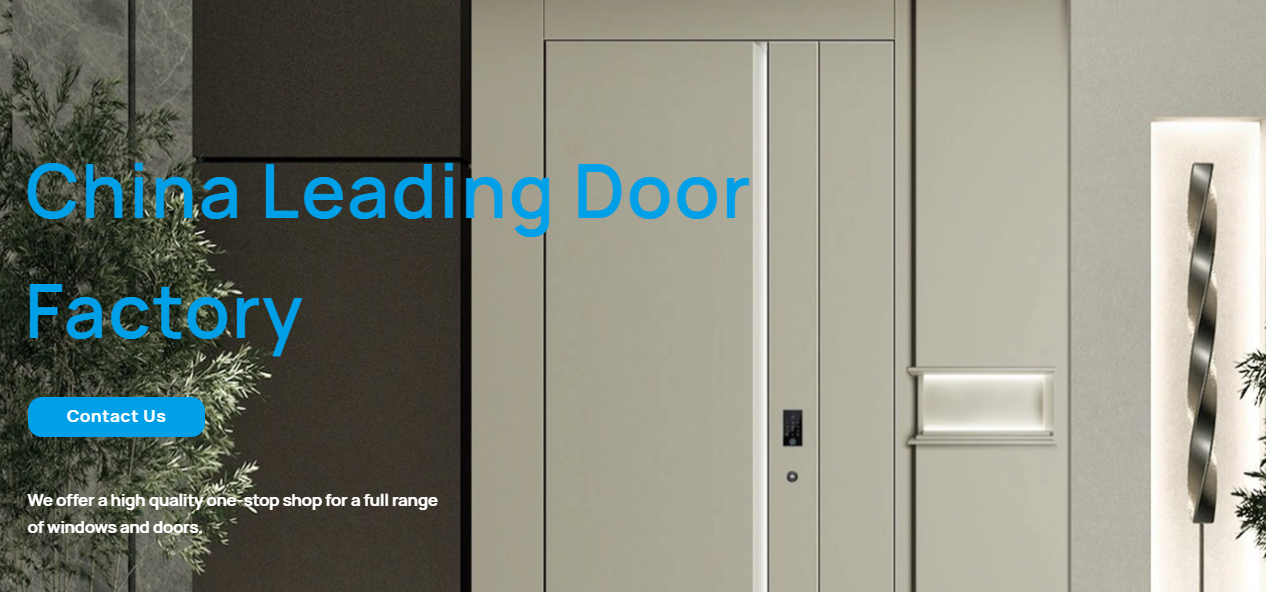
These machines ensure that the production of WPC doors is both efficient and cost-effective, with the ability to create high-quality products in large volumes. Here’s a deeper dive into the different types of machinery used in WPC door production and how each plays a crucial role in the process.
Key Machines in WPC Door Manufacturing
1. Extruder Machines
The extruder machine is one of the most important machines in the WPC door production line. Its primary function is to mix raw materials like wood fibers and plastics (polymer resins) and then form them into the desired profile for the door.
The extruder heats and combines the wood fibers and plastics into a homogeneous material. The mixture is then forced through a die that shapes the WPC into a door panel profile, which is cooled and cut to the appropriate length. The extruder can also be customized to create different profiles depending on the design specifications, making it an incredibly versatile machine.
Benefits:
- High-speed production with low labor requirements
- Customizable profiles and thickness for different types of doors
- Consistent quality and uniformity across large production runs
- High-speed production with low labor requirements
- Customizable profiles and thickness for different types of doors
- Consistent quality and uniformity across large production runs
2. Molding Machines
Molding machines are used in WPC door production to add intricate designs and textures to the door surface. This is crucial for enhancing the door’s aesthetic appeal while maintaining durability.
The WPC material, after being formed in the extruder, is placed into a mold where it is pressed under heat to take on a desired shape or texture. This process is typically used to create embossed surfaces that mimic the appearance of wood grain or other textures.
Benefits:
- Allows for high customization of surface textures and finishes
- Enables manufacturers to create doors with unique patterns and styles
- Increases the aesthetic value of the doors while maintaining strength
- Allows for high customization of surface textures and finishes
- Enables manufacturers to create doors with unique patterns and styles
- Increases the aesthetic value of the doors while maintaining strength
3. Lamination Presses
Lamination presses are used to apply a decorative surface layer on the WPC door, which improves its appearance and adds an extra layer of protection. The laminated surface can be anything from a wood-like veneer to a colored or patterned film.
Once the door profile is formed, the lamination press applies a decorative layer to the surface of the door. This is often done using heat and pressure, ensuring that the laminate adheres perfectly to the WPC material.
Benefits:
- Adds extra durability to the door, making it scratch-resistant and weatherproof
- Provides aesthetic appeal with a wide variety of color and texture options
- Enables the production of doors that mimic high-end materials (such as wood or marble) without the associated cost
- Adds extra durability to the door, making it scratch-resistant and weatherproof
- Provides aesthetic appeal with a wide variety of color and texture options
- Enables the production of doors that mimic high-end materials (such as wood or marble) without the associated cost
4. UV Curing Machines
To further enhance the durability of the WPC door, UV curing machines are used to treat the door surface. This process hardens and seals the surface finish, ensuring it can resist fading and degradation due to UV exposure.
After the lamination or coating process, the doors are passed under UV light that cures the surface finish. This makes the door resistant to color fading, moisture, and wear, which is especially important for doors exposed to sunlight and harsh weather conditions.
Benefits:
- Provides a long-lasting finish that resists fading and deterioration
- Increases the lifespan of the doors, making them more suitable for outdoor use
- Reduces maintenance costs over the lifetime of the door
- Provides a long-lasting finish that resists fading and deterioration
- Increases the lifespan of the doors, making them more suitable for outdoor use
- Reduces maintenance costs over the lifetime of the door
5. Cutting Machines
Once the doors are molded and laminated, they need to be cut to the correct dimensions. Cutting machines ensure that each door is sized accurately, without any material waste.
These machines use circular saws or blade systems to cut the large WPC panels into the correct dimensions for door sizes. The cutting machines are often equipped with automated measurement systems to ensure high precision and minimize human error.
Benefits:
- Provides consistent cuts across all production runs
- Allows for highly precise and customized door dimensions
- Reduces material waste by ensuring that cuts are made accurately
- Provides consistent cuts across all production runs
- Allows for highly precise and customized door dimensions
- Reduces material waste by ensuring that cuts are made accurately
6. Automated Inspection Systems
To maintain the high standards of WPC door production, automated inspection systems are used to check the consistency and quality of each door. These systems monitor various aspects of the production process, including the color, texture, and dimensional accuracy of each door.
The inspection system uses cameras, sensors, and sometimes lasers to detect defects, such as cracks, surface blemishes, or dimensional inconsistencies. If any defects are found, the machine will alert the operator, who can then remove or adjust the faulty products before they move to the next stage.
Benefits:
- Ensures that every product meets the required quality standards
- Reduces human error in the inspection process
- Increases production efficiency by identifying defects early in the process
- Ensures that every product meets the required quality standards
- Reduces human error in the inspection process
- Increases production efficiency by identifying defects early in the process
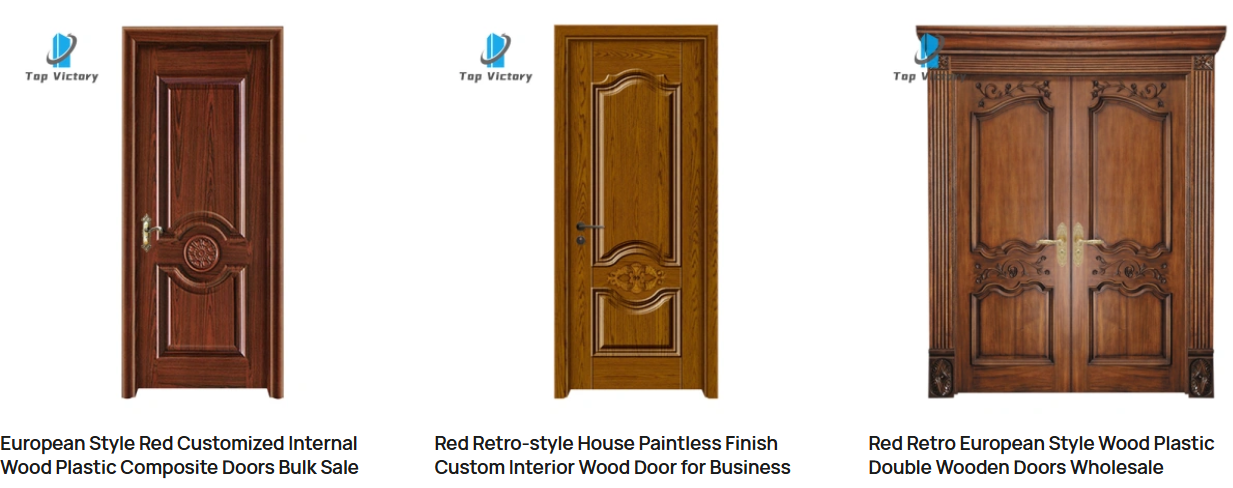
7. Edge Banding Machines
Edge banding machines are used to apply a protective edge to the WPC doors. This is especially important for doors that will be installed in areas where the edges are visible, as it gives the door a clean, finished look.
The edge banding machine applies a thin strip of material (often PVC or laminate) to the edges of the door panels. This process is done under heat and pressure to ensure a strong bond.
Benefits:
- Provides a smooth, professional finish on the edges of the doors
- Helps protect the door from moisture and wear at the edges
- Enhances the aesthetic appearance of the door, making it look more polished and high-end
- Provides a smooth, professional finish on the edges of the doors
- Helps protect the door from moisture and wear at the edges
- Enhances the aesthetic appearance of the door, making it look more polished and high-end
The Role of WPC Door Manufacturing Machines in Efficiency and Cost Savings
The introduction of WPC door manufacturing machines has revolutionized the door production process, making it more efficient, cost-effective, and capable of meeting the growing demand for high-quality doors. By automating key processes like molding, lamination, cutting, and inspection, manufacturers can produce WPC doors at a much faster rate while ensuring consistent quality.
For businesses involved in the door manufacturing industry, investing in state-of-the-art machinery is a strategic decision that can yield significant long-term benefits, such as:
- Higher production speeds: Faster production times allow for more doors to be produced in less time, improving output.
- Reduced material waste: Advanced machinery ensures that materials are used efficiently, reducing waste and cutting costs.
- Improved product quality: Automated machines provide more consistency and precision, ensuring that each door meets high standards of quality.
- Reduced material waste: Advanced machinery ensures that materials are used efficiently, reducing waste and cutting costs.
- Improved product quality: Automated machines provide more consistency and precision, ensuring that each door meets high standards of quality.
As the demand for WPC doors continues to grow in both residential and commercial markets, the role of WPC door manufacturing machines becomes even more critical. These machines enable manufacturers to meet the high standards of quality, customization, and efficiency that are expected in today’s market.
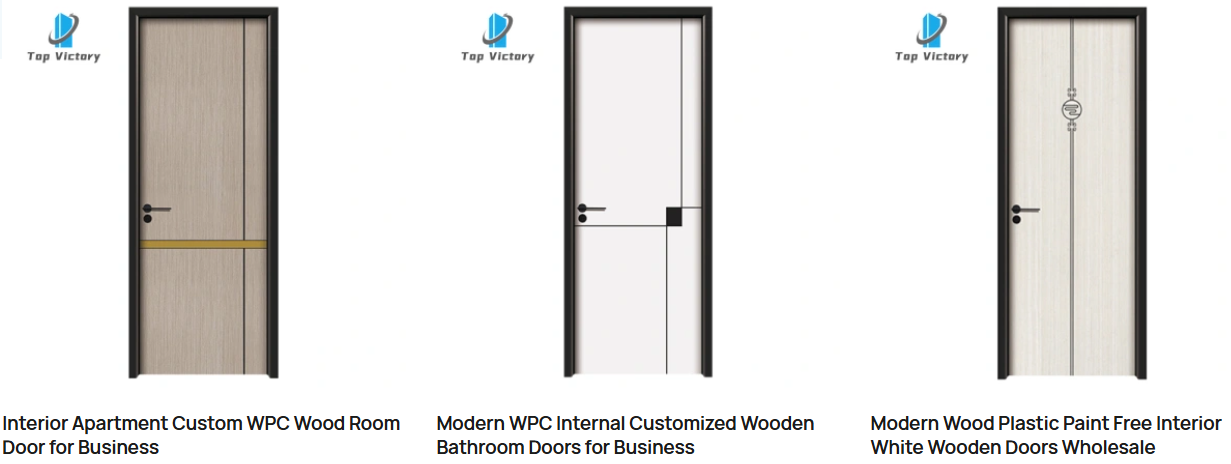
How Do Manufacturers Ensure Quality in WPC Doors?
Types of Adjustable Hinges for Exterior Doors?
Related Article

The vast majority of door noise comes from one simple issue: metal-on-metal friction. Over time, the lubricant that was applied at the factory wears off. Dust, dirt, and moisture get into the knuckles of the hinge—the cylindrical parts that pivot around the pin—and create a grinding, squeaking sound as the door moves.
What Actually Causing My Door to Make Noise

Sometimes, the issue is as simple as loose screws; other times, it’s years of wear, humidity-induced warping, or poor installation. But nearly every noisy door can be tamed—with patience and the right approach.
Why Do Doors Make Noise in the First Place

Think of the coating as your door’s immune system. It’s the first and only line of defense against moisture, UV radiation, temperature swings, and physical abrasion. If it’s weak, thin, or poorly bonded, the underlying steel is exposed—and once rust begins, it spreads beneath the surface, often unnoticed until it’s too late.
Why Does the Coating on a Metal Door Matter So Much
