
Surface Treatments Behind the Italian Metal Doors
The Secret Behind the Timeless Beauty of Italian Metal Doors
Walk through the historic streets of Florence, Milan, or Rome, and you’ll see them: elegant metal doors—gleaming yet weathered, ornate yet enduring—framing centuries-old palazzos and modern luxury residences alike. Their allure isn’t just in design; it’s in how they age. Unlike ordinary metal surfaces that rust, fade, or peel, Italian metal doors seem to mature with grace.
So what gives them this legendary resilience and aesthetic depth? The answer lies not in the base metal alone, but in a sophisticated hierarchy of surface treatments—a blend of ancient craftsmanship and cutting-edge industrial finishing. Let’s explore the art and science behind how these iconic doors are truly made to last.
What Exactly Do We Mean by “Surface Treatment” for Metal Doors?
In manufacturing, surface treatment refers to any process applied to the outer layer of a metal substrate to enhance its corrosion resistance, mechanical durability, aesthetic character, and environmental compatibility. For Italian metal doors—typically crafted from steel, wrought iron, stainless steel, or aluminum—this isn’t just a final coat; it’s a multi-stage system engineered to perform for decades under Mediterranean sun, Alpine snow, or coastal salt spray.
Crucially, surface treatment isn’t decorative alone. It’s a functional shield that prevents oxidation, resists abrasion, and ensures the door’s visual language remains intact through generations. In Italy, where architecture is heritage, this balance of beauty and longevity is non-negotiable.
Why Can’t We Just Paint or Powder Coat and Call It a Day?
Because adhesion, longevity, and finish quality depend entirely on what happens before the topcoat. Skipping proper pre-treatment is the #1 cause of premature failure—blistering, flaking, or rust bleeding through even the most expensive paint.
Italian manufacturers follow a strict sequence of surface preparation, often exceeding international standards (ISO 12944, Qualicoat, GSB). This begins long before color is applied.
What Are the Core Stages of Surface Treatment for High-End Italian Metal Doors?
The process unfolds in four interdependent phases—each critical, none optional:
1. Mechanical Pre-Treatment: Cleaning and Profiling
- Degreasing: Alkaline or solvent-based cleaning removes oils, fingerprints, and machining residues.
- Abrasive Blasting (Sandblasting or Shot Peening): Creates a uniform anchor profile (typically 40–75 µm Ra) that dramatically improves coating adhesion. Unlike simple grinding, this process also relieves surface stresses and removes mill scale.
- Deburring & Smoothing: Hand-finishing by artisans ensures ornamental details—scrolls, rosettes, hinges—retain crispness without sharp edges.
This stage transforms raw, reactive metal into a clean, microscopically textured canvas ready for chemical bonding.
2. Chemical Conversion Coating: The Invisible Armor
Here, the metal surface is chemically altered to form a passive, corrosion-inhibiting layer:
-
Phosphating (for steel/iron): Immersion in zinc or manganese phosphate solutions creates a crystalline layer that:
- Blocks electrochemical corrosion pathways
- Provides excellent “tooth” for powder adhesion
- Acts as a reservoir for lubricants or sealers
-
Chromating or Non-Chromium Passivation (for aluminum/stainless):
- Traditional chromate conversion offers superb protection but faces regulatory pressure due to Cr⁶⁺ toxicity.
- Modern Italian foundries increasingly use trivalent chromium (Cr³⁺) or chromium-free zirconium/titanium-based passivations—eco-compliant yet equally effective.
This layer is often invisible to the eye but is the unsung hero of long-term durability.
3. Primer Application: The Bonding Bridge
A high-build epoxy or polyurethane primer is applied—usually via electrostatic spray or dip—and cured. This layer:
- Seals micro-pores in the conversion coating
- Provides cathodic protection (in the case of zinc-rich primers)
- Creates a chemically compatible interface for the topcoat
In marine or industrial environments, Italian manufacturers may specify two-part epoxy primers with >80 µm DFT (dry film thickness) for maximum barrier protection.
4. Topcoat Finishing: Where Art Meets Engineering
This is the visible face of the door—and where Italian design shines. Common topcoat systems include:
A. Thermoset Powder Coating
- Dominant in modern production due to durability, color consistency, and zero VOC emissions.
- Polyester TGIC or super-durable polyurethane powders offer 10–25+ years of UV resistance (Qualicoat Class 2/3).
- Textured, hammered, or antique finishes are achieved through specialized powders or post-curing techniques.
- Cured at 180–200°C, forming a cross-linked polymer network impervious to chalking or fading.
B. Liquid Paint Systems (for heritage or bespoke work)
- Alkyd or acrylic enamels hand-brushed for artisanal effects (e.g., faux bronze, verdigris aging).
- Two-component polyurethanes for high-gloss, automotive-grade finishes on luxury villas.
- Often paired with patina treatments (see below) for historical authenticity.
C. Physical Vapor Deposition (PVD) & PVD-Like Coatings
- Used for stainless steel or brass-effect finishes with extreme scratch and tarnish resistance.
- Deposits a nanoscale layer of titanium nitride (TiN) or zirconium nitride (ZrN) in a vacuum chamber.
- Common in high-security or coastal applications where even powder coatings may degrade.
What About Traditional “Patina” Finishes—Are They Still Used?
Absolutely—and they’re a hallmark of Italian metal artistry. Rather than hiding the metal, patination celebrates its living nature:
- Chemical Patinas: Solutions of ammonium sulfide, ferric nitrate, or cupric sulfate react with iron or copper alloys to produce blues, browns, greens, or blacks. The reaction is carefully controlled, then sealed with microcrystalline wax or clear lacquer.
- Thermal Oxidation: Heating steel to specific temperatures creates temper colors (straw, purple, blue)—a technique revived in contemporary design.
- Artisan Aging: Master metalworkers use wire brushes, acids, and pigments to simulate centuries of weathering—each door becomes a unique artifact.
These finishes are never left unsealed; a final protective layer (often a UV-stable acrylic or wax-resin hybrid) locks in the effect while allowing subtle evolution over time.
How Do Italian Manufacturers Ensure These Treatments Last in Harsh Climates?
By designing for specific environmental aggressivity classes per ISO 12944:
- C3 (Urban/Industrial): Standard polyester powder + epoxy primer
- C4 (Coastal): Super-durable polyurethane powder + zinc-rich primer + thicker film build
- C5-M (Marine): Duplex systems—e.g., hot-dip galvanizing under powder coating—for 25+ year service life
Many Italian brands (e.g., FAP, Officine Gullo, Cierre) go further:
- Accelerated weathering tests (QUV, salt spray per ASTM B117)
- On-site exposure panels in Sicily (UV), Venice (salt), and the Alps (thermal cycling)
- 10–15 year warranties on finish integrity—backed by real-world validation
This isn’t guesswork; it’s climate-informed engineering.
Are There Sustainability and Regulatory Considerations?
Increasingly, yes. Italy’s strict environmental laws (aligned with EU REACH, RoHS, and Ecolabel) drive innovation:
- Chromium-free pre-treatments replacing toxic Cr⁶⁺
- Powder coatings with 100% solids—zero solvents, near-zero waste (overspray is reclaimed)
- Low-cure powders (140–160°C) reducing energy use by 20–30%
- Recycled content in aluminum substrates (up to 80% in some foundries)
Leading Italian door makers now publish Environmental Product Declarations (EPDs), proving that beauty and responsibility can coexist.
Why Does This Matter Beyond Aesthetics?
Because a door is more than an entryway—it’s a statement of values. A poorly finished metal door corrodes, requiring replacement and generating waste. A properly treated Italian door endures, reducing lifecycle impact while honoring architectural legacy.
In an age of disposable design, this commitment to permanence, craft, and material intelligence is quietly revolutionary.
So—What Truly Defines the Italian Approach to Metal Door Finishing?
It’s the fusion of three traditions:
- Renaissance craftsmanship—where every scroll is hand-finished
- Industrial precision—with robotic powder lines and climate chambers
- Environmental stewardship—choosing coatings that protect both the door and the planet
The result? A surface that doesn’t just look beautiful—but performs beautifully, year after year, sun after storm, generation after generation.
And that’s why, whether on a 16th-century palazzo or a 21st-century villa, an Italian metal door doesn’t just open a space—it anchors it in time.
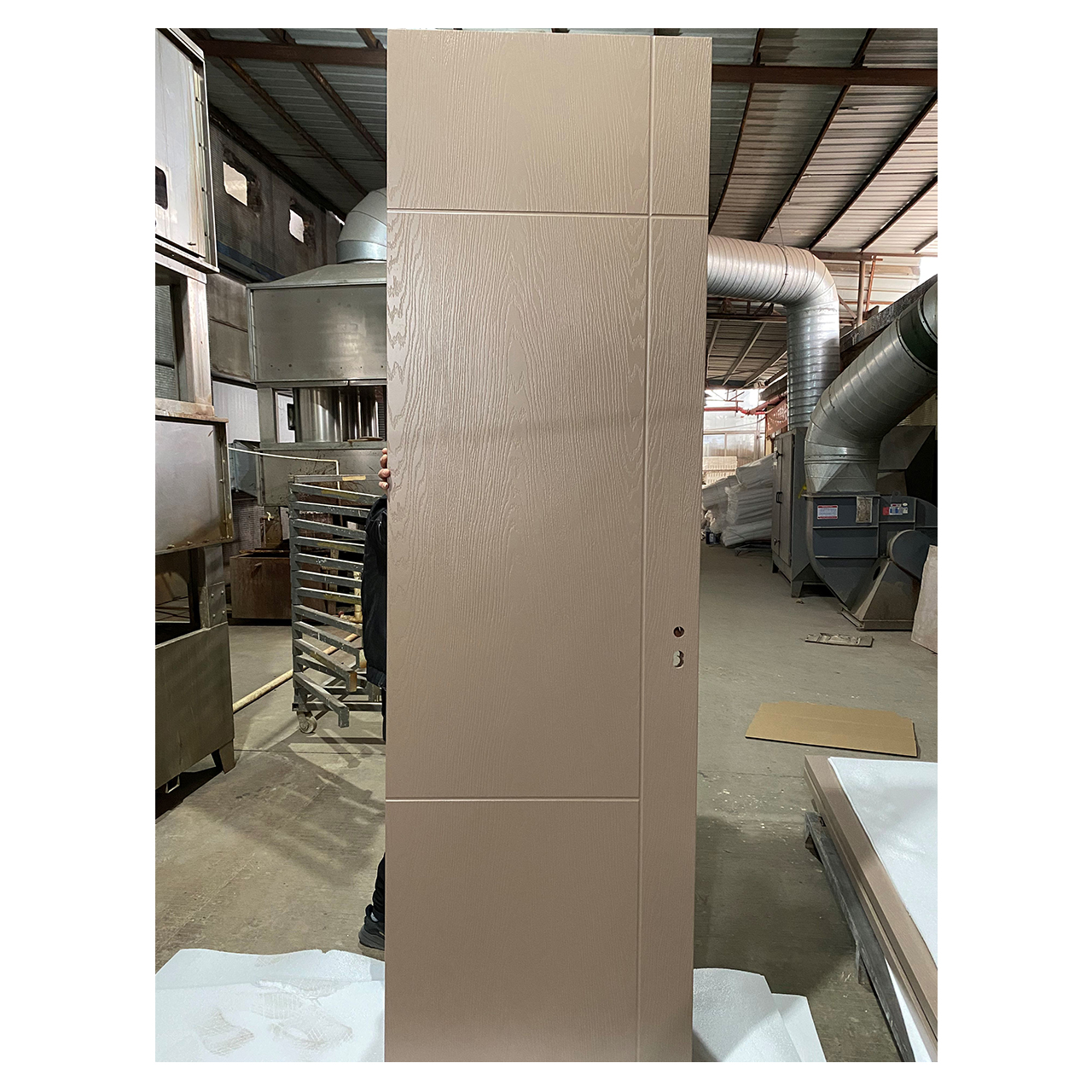

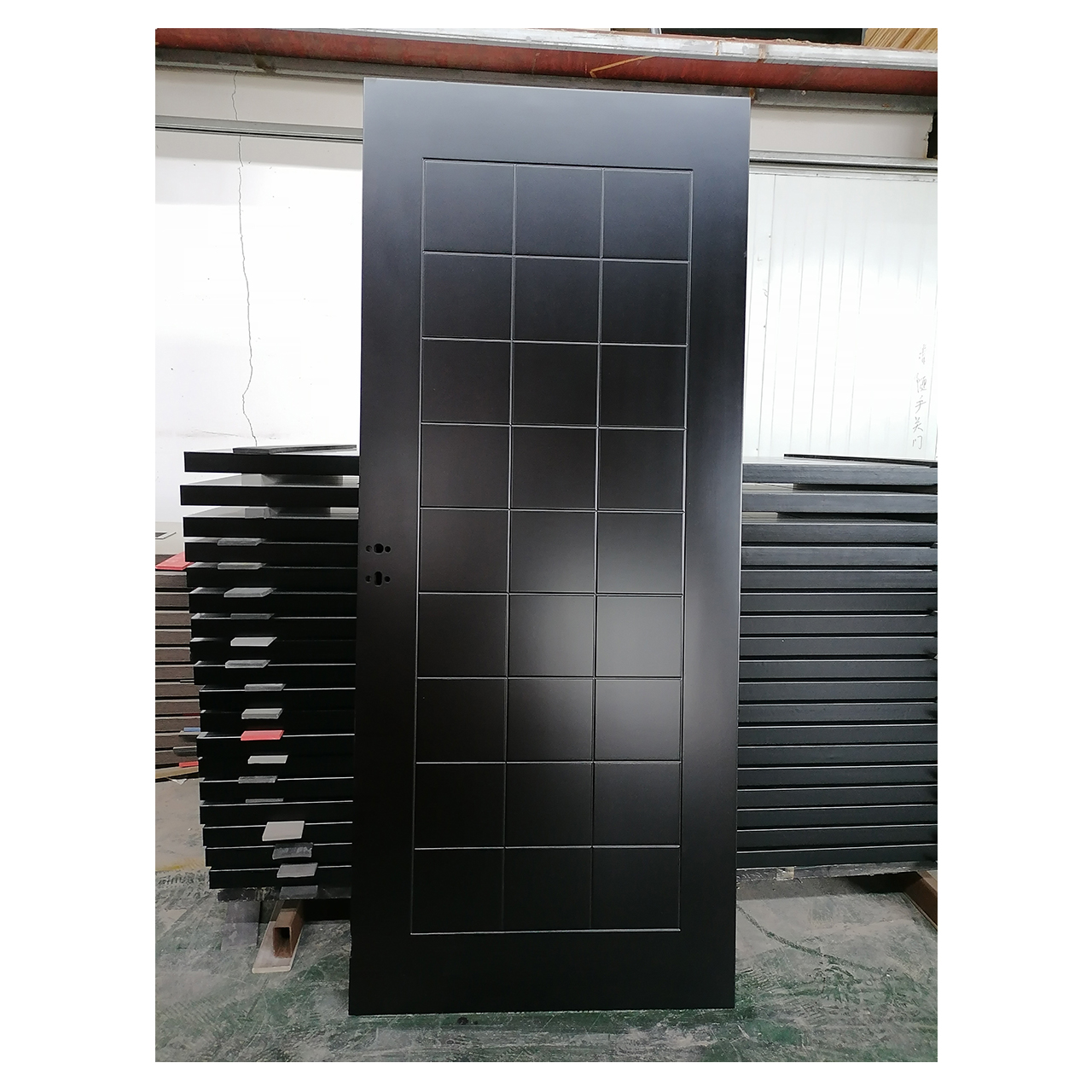
Layers Beneath the Surface of Italian Metal Doors
Purity Matter in Metal Italian Door Production
Related Article



