
Making Steel Doors Resemble Wood: Clad Wood Doors vs. Veneer vs. Wood Grain Paint
Introduction:
The demand for steel doors has been steadily increasing due to their exceptional durability and security features. However, many homeowners desire the warmth and natural beauty of wood for their entryways. This article aims to explore the various options available to transform steel doors to resemble wood, focusing on the advantages of Clad wood doors over Wood veneer and Wood grain paint.
Steel doors have gained popularity for their strength, resistance to harsh weather conditions, and ability to deter intruders. However, their industrial appearance may not always align with the desired aesthetic of a home. The challenge lies in finding a solution that combines the robustness of steel with the natural elegance of wood.
Wood veneer is a commonly used technique to give steel doors a wood-like appearance. However, it has its drawbacks. Firstly, wood veneers can give the door a cheap and artificial look, lacking the authentic charm of real wood. Secondly, achieving textured effects on the surface of the door is challenging, as wood veneer requires a smooth substrate. This limitation restricts the ability to create three-dimensional patterns and intricate designs.
Another approach is to use wood grain paint, which involves applying multiple layers of paint to mimic the appearance of the wood grain. While this method can yield convincing results, it comes with its own set of disadvantages. Wood grain paint requires skilled craftsmanship and meticulous attention to detail, driving up the overall cost. Additionally, if the paint chips or gets damaged, it can be extremely difficult to repair, often necessitating a complete repaint.
In contrast, Clad wood doors offer a compelling alternative for achieving a wood-like appearance on steel doors. These doors are constructed by applying high-quality wood as the surface material, providing a genuine and natural look that closely resembles real wood. The use of real wood ensures that the door exhibits authentic grain patterns, textures, and color variations, enhancing its overall aesthetic appeal.
Moreover, Clad wood doors offer a high degree of flexibility and customization options. Homeowners can choose from a wide range of wood types, including popular choices like oak, mahogany, cherry, and walnut, among others. This allows them to select the wood species that best complement their interior design and personal preferences. Additionally, various finishes, stains, and sealants can be applied to achieve the desired look and level of protection.
Beyond aesthetics, Clad wood doors also excel in terms of durability and fire resistance. The core of these doors is composed of steel plates filled with fireproof rock wool, providing excellent insulation and fire protection. This feature enhances the safety of the home and ensures that the door meets stringent fire safety regulations.
In conclusion, while steel doors offer exceptional strength and security, the desire for a wood-like appearance has driven the development of innovative solutions. When it comes to transforming steel doors to resemble wood, Clad wood doors offer significant advantages over Wood veneer and Wood grain paint. By utilizing real wood, providing customization options, and ensuring durability and fire resistance, Clad wood doors present an ideal choice for homeowners seeking to enhance the aesthetics of their entryways.
The Advantages and Disadvantages of Wood Veneer
Advantages:
- Cost-effective: Wood veneer is often more affordable compared to solid wood, making it a budget-friendly option for achieving the look of wood.
- Variety of Options: Wood veneer comes in a wide range of wood species, colors, and finishes, allowing for greater design flexibility and customization.
- Environmentally Friendly: Wood veneer is considered an eco-friendly choice as it maximizes the use of a single log, reducing waste compared to solid wood.
Disadvantages:
- Durability: Wood veneer is generally less durable compared to solid wood, as it consists of thin layers. It may be susceptible to scratches, dents, and wear over time.
- Moisture Sensitivity: Wood veneer is sensitive to moisture and changes in humidity, which can cause it to warp or peel. Adequate protection and maintenance are required to prevent damage.
- Limited Thickness: Wood veneer is available in limited thickness options, which may limit its application in certain projects that require thicker wood materials.
- Repairs and Refinishing: Repairing or refinishing wood veneers can be more challenging compared to solid wood, as excessive sanding or refinishing can potentially damage the thin veneer layer.
The advantages and disadvantages of wood grain paint:
Advantages:
- Cost-effective: Wood grain paint is generally more affordable compared to using real wood or wood veneer, making it a cost-effective option for achieving a wood-like appearance.
- Versatility: Wood grain paint can be applied to a variety of surfaces, including wood, metal, plastic, and more, offering flexibility in design and application.
- Customization: Wood grain paint provides the opportunity to customize the color, grain pattern, and intensity of the wood-like finish, allowing for greater control over the desired aesthetic.
- Durability: Wood grain paint is typically formulated to be durable, resistant to scratches, fading, and moisture, offering a long-lasting finish that requires minimal maintenance.
Disadvantages:
- Authenticity: While wood grain paint can create a convincing wood-like appearance, it may not have the same authenticity and natural beauty as real wood or wood veneer.
- Texture: Wood grain paint may lack the texture and tactile feel of real wood, as it is a smooth painted surface rather than the natural grain of the wood.
- Limited Repair Options: In case of damage or wear, repairing wood grain paint can be more challenging compared to real wood, as it may require repainting or touch-ups to maintain the desired appearance.
- Application Complexity: Achieving a realistic wood grain effect with paint can be a complex process that requires skill and expertise. It may involve multiple layers, techniques, and tools to achieve the desired result.
The advantages and disadvantages of clad wood doors:
Advantages:
- Enhanced Aesthetics: Clad wood doors combine the security of a stainless steel door with the appearance of a wooden door, allowing them to blend seamlessly with rustic or natural interior designs. They provide the warmth and texture of wood while maintaining a sleek and modern look.
- Durability: Clad wood doors offer superior durability compared to wood veneer doors and wood grain paint. The stainless steel base provides enhanced strength, resistance to impact, and protection against external elements, making them more durable and long-lasting.
- Security: Clad wood doors retain the high-security features of stainless steel doors, ensuring the safety and protection of your home or property. The incorporation of wood veneer maintains the appearance of a wooden door without compromising security.
- Cost-effective: Clad wood doors are often more affordable than solid wood doors, providing a cost-effective solution for those who desire the look of wood but have budget constraints. They offer a balance between aesthetics, durability, and price.
- Low Maintenance: Clad wood doors require minimal maintenance compared to solid wood doors. The stainless steel base provides added resistance to warping, rotting, or insect damage, reducing the need for frequent repairs or refinishing.
Disadvantages:
- Limited Design Options: Clad wood doors may have limited design options compared to wood veneer or solid wood doors. The integration of stainless steel and wood veneer restricts the range of styles, patterns, or finishes available.
- Weight: Clad wood doors tend to be heavier compared to wood veneer or wood grain paint doors due to the stainless-steel base. Proper installation and support are necessary to ensure the door operates smoothly.
Overall, clad wood doors offer a compelling combination of durability, security, aesthetics, and cost-effectiveness. They are an excellent choice for those seeking the appearance of a wooden door while prioritizing security and longevity.
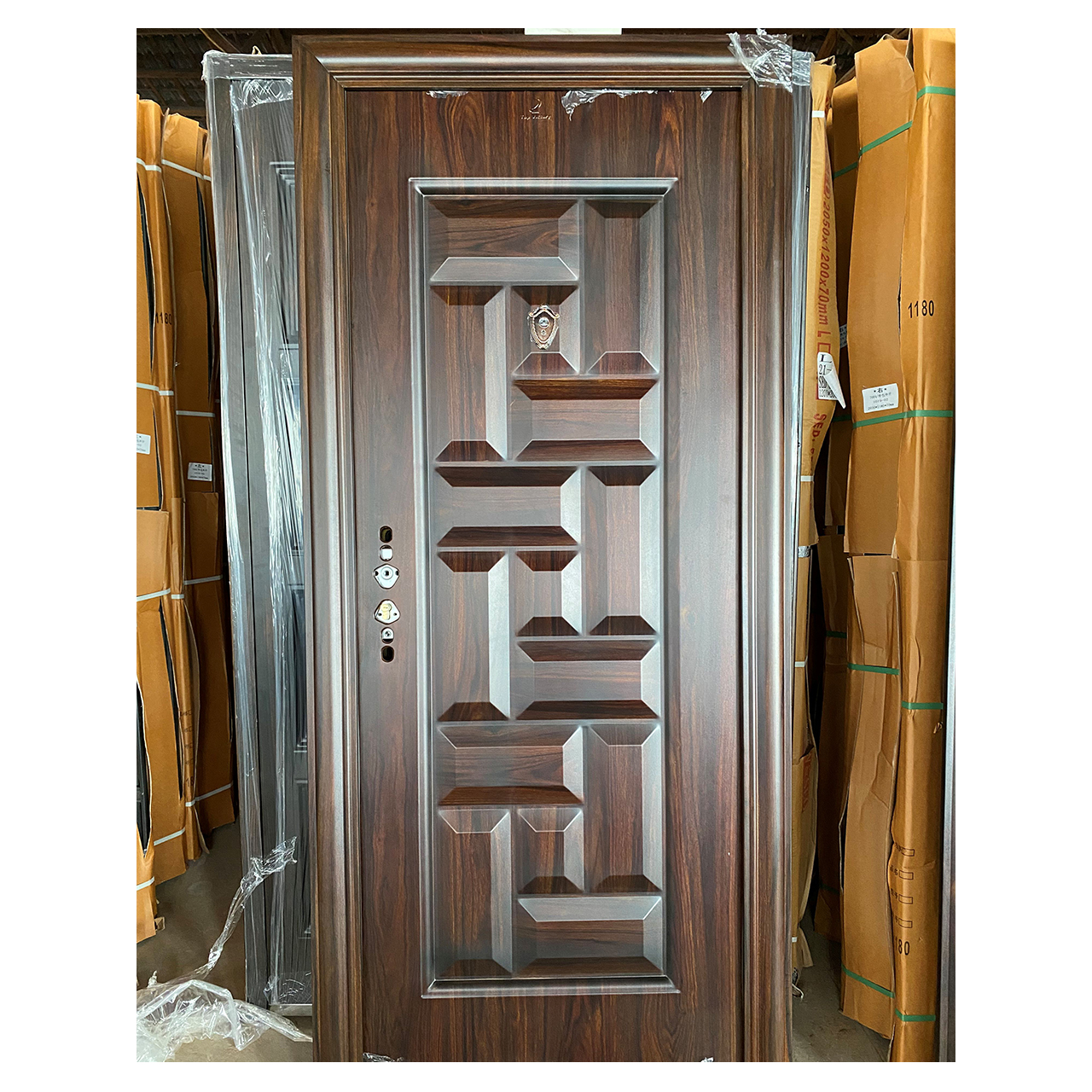
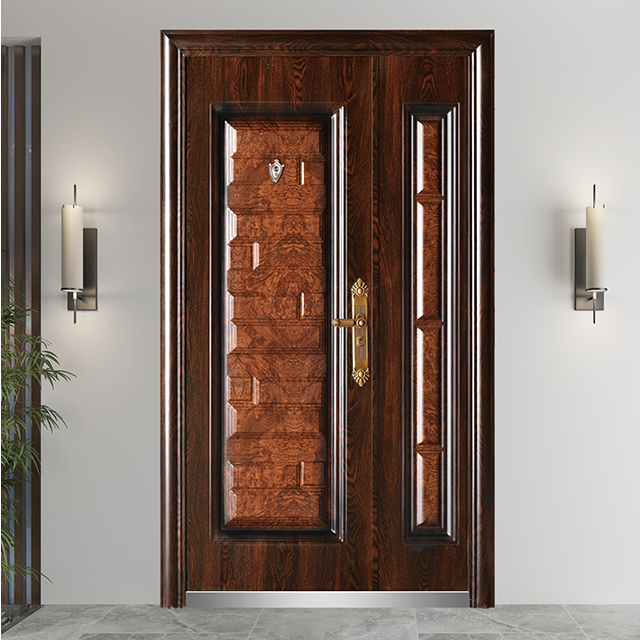
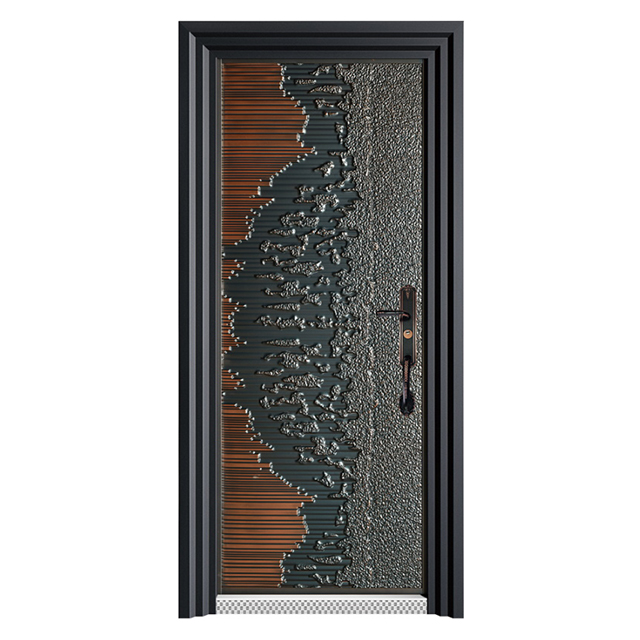
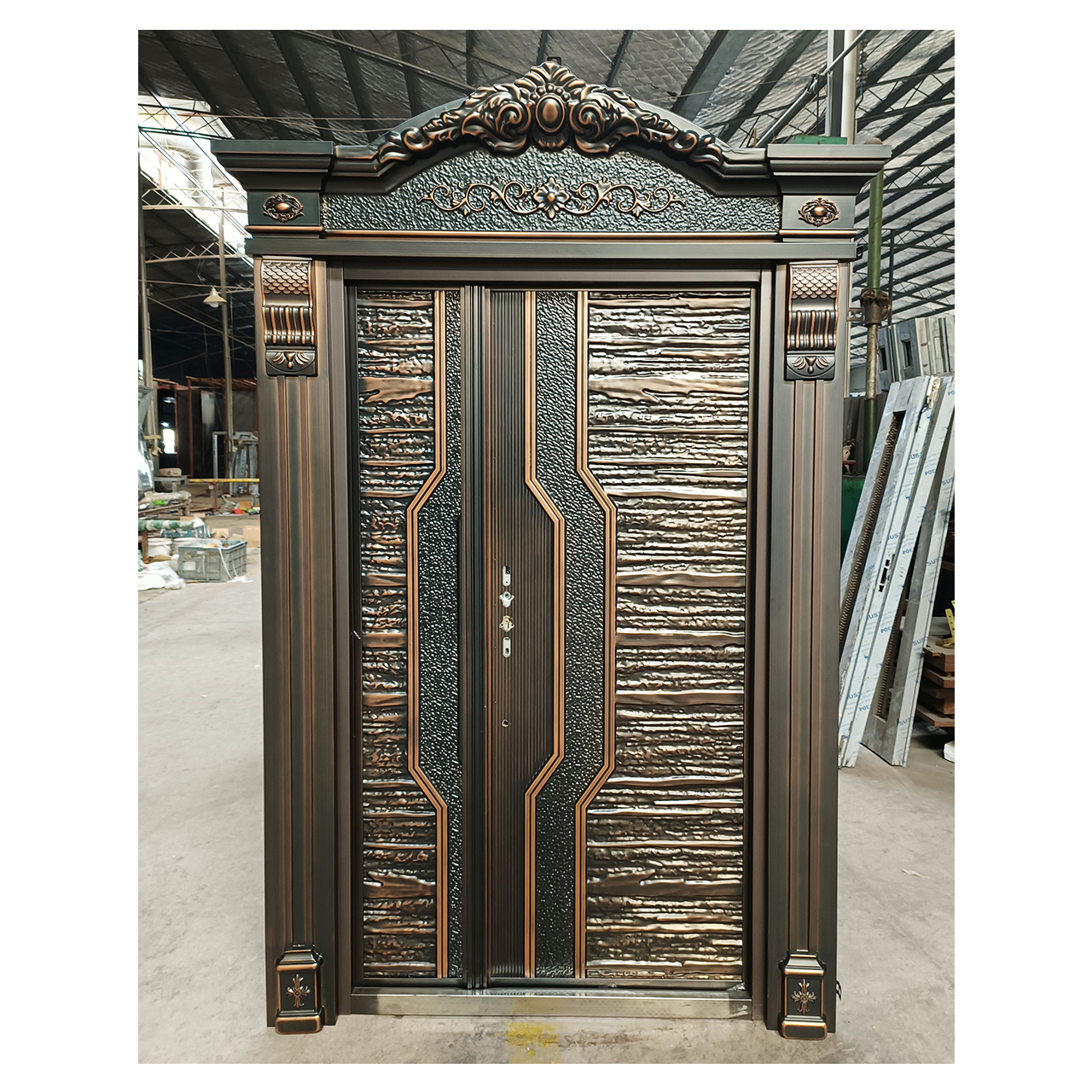
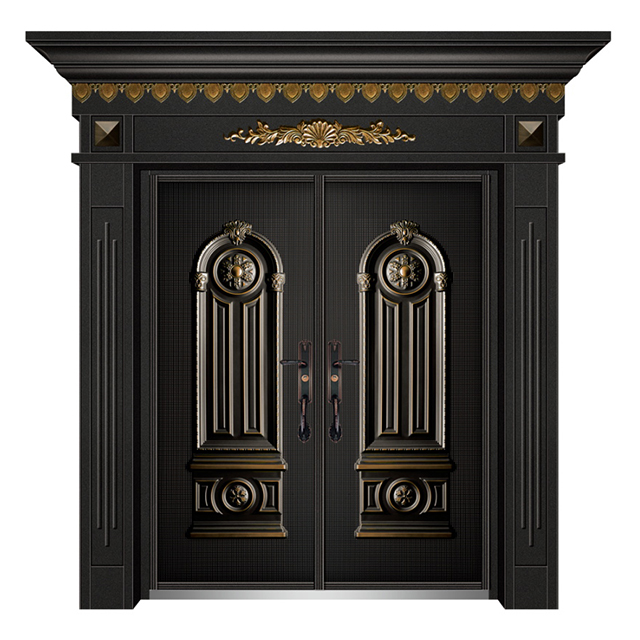
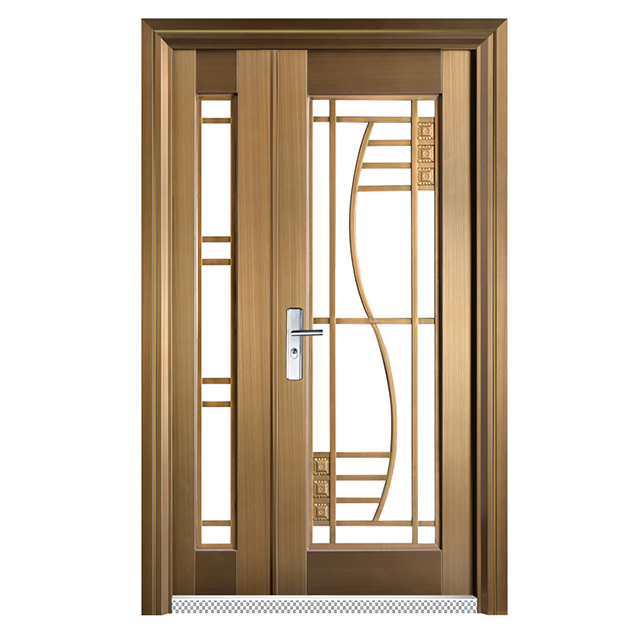
Here I honestly recommend Top Victory’s Wood Clad Steel Security Door for you, which combines wooden artist and the best security features.
How to skillfully remove rust when the security door is rusted
Related Article



